Every good gift and every perfect gift is from above, and cometh down from the Father of lights, with whom is no variableness, neither shadow of turning.
James 1:17 KJV

Search Results
Search this site
1164 results found with an empty search
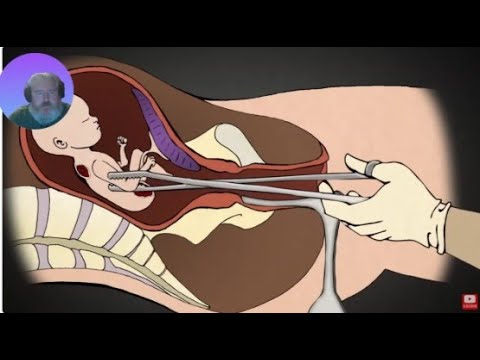
- Video: "Understanding the Abortion Procedure"
"Understanding the Abortion Procedure" "Thank you so much for watching! May God's blessings be abundant and ever-present in your life." In our journey through life, we often seek guidance and wisdom beyond our own understanding. St. Mykul’s prayer is a beautiful expression of this desire, a heartfelt plea for divine intervention and alignment with Jehovah’s will. It serves as a reminder of the profound connection we can cultivate with the divine, allowing us to become vessels of His wisdom and love. St. Mykul’s prayer: “I pray for Jehovah to speak through me all the time, and I pray for Jehovah to remove all my thoughts and implant His thoughts all the time, as I do not even want my thoughts. Because your ways are higher than my ways, and your thoughts are higher than my thoughts.”
- Video: The Staggering Cost of Incarceration: Examining the Price of Imprisonment
The Staggering Cost of Incarceration: Examining the Price of Imprisonment "Thank you so much for watching! May God's blessings be abundant and ever-present in your life." In our journey through life, we often seek guidance and wisdom beyond our own understanding. St. Mykul’s prayer is a beautiful expression of this desire, a heartfelt plea for divine intervention and alignment with Jehovah’s will. It serves as a reminder of the profound connection we can cultivate with the divine, allowing us to become vessels of His wisdom and love. St. Mykul’s prayer: “I pray for Jehovah to speak through me all the time, and I pray for Jehovah to remove all my thoughts and implant His thoughts all the time, as I do not even want my thoughts. Because your ways are higher than my ways, and your thoughts are higher than my thoughts.”
- Podcast: All About Samson
Today's discussion delves into the compelling story of Samson, a figure brimming with both superhuman strength and devastating flaws. We'll be exploring his life, his legacy, and the various interpretations that have shaped his image throughout history. Indeed. Samson's tale is a fascinating blend of the miraculous and the tragically human, a story that continues to resonate with audiences across cultures and faiths. His incredible strength, his romantic entanglements, and his ultimately self-destructive end – it's all quite dramatic. Precisely. The narrative is rich with symbolism, lending itself to diverse interpretations, from religious allegories to explorations of human nature. Let's start with the biblical account itself. What are the key events that define Samson's life? The Book of Judges portrays Samson as a Nazirite, dedicated to God from birth and blessed with extraordinary strength. His exploits include slaying a lion, single-handedly defeating Philistine armies, and even carrying off the gates of Gaza. And yet, despite his divine gifts, he's also characterized by impulsive actions and a susceptibility to temptation. Absolutely. His relationship with Delilah, who betrays him to the Philistines, is a pivotal moment highlighting his vulnerability. The loss of his hair, symbolic of his Nazirite vow, leads to his capture and blinding. His eventual demise, bringing down the Philistine temple upon himself and his enemies, is a powerful, if self-destructive, act. It's a complex ending. Moving beyond the biblical text, how have different traditions interpreted Samson's story? Let's begin with Rabbinic literature. Rabbinic interpretations often emphasize Samson's divine strength and his role as a judge of Israel. Legends embellish his physical prowess, sometimes to almost mythical proportions. His flaws are also addressed, often seen as consequences of his own actions and failures. So, a focus on both his extraordinary abilities and his human failings? Christian interpretations frequently draw parallels between Samson and Jesus Christ. Both figures were foretold by angels, born to women who were previously unable to conceive, and ultimately sacrificed themselves for their people. The betrayal by Delilah is often compared to Judas's betrayal of Jesus, both involving payment for treachery. A striking comparison. Indeed. These parallels have led some to view Samson as a prefiguration of Christ, a type foreshadowing the savior's sacrifice. What about Islamic interpretations? Does Samson feature in Islamic literature? While the Quran doesn't explicitly mention Samson by name, some Islamic traditions and commentaries incorporate him into their narratives, often emphasizing his strength and his struggles against pagan adversaries. The details vary considerably depending on the source. So, a less direct but still present engagement with the Samson narrative? Scholarly interpretations often explore Samson's connections to other Near Eastern heroes, such as Heracles and Enkidu. Similarities in their exploits and tragic fates suggest a shared archetypal foundation. The "solar hero" theory, linking Samson's name to the sun, has also been proposed, though it's less widely accepted now. How do traditional and modern scholarly views differ in their approach to Samson's story? Traditional views often emphasize Samson as a literal historical figure, while modern scholarship frequently explores the mythological and archetypal aspects of his narrative. The debate often centers on whether to interpret the story literally or symbolically. A fascinating tension between literal and figurative interpretations. Has archaeology shed any light on the historical context of Samson's story? While there's no direct archaeological evidence confirming Samson's existence, discoveries in the region, such as a seal depicting a man and a lion, offer intriguing possibilities and suggest that stories of heroes battling lions were circulating during the relevant time period. So, circumstantial evidence, rather than definitive proof. Samson's story has had a profound impact on Western culture. How has he been portrayed in literature and art? Samson has been a recurring subject in literature, from Milton's Samson Agonistes to numerous other works. He's also been a popular figure in visual arts, often depicted in paintings and sculptures showcasing his strength and struggles. The opera Samson and Delilah is a particularly well-known example of his enduring cultural presence. Beyond literature and opera, are there other examples of Samson's cultural influence? Absolutely. He's featured in various films, and his image has been used as a symbol in different contexts. For instance, Samson parades are still held annually in some parts of Austria, showcasing his enduring cultural significance. A testament to the story's enduring power and its ability to adapt to different cultural contexts. Some scholars argue that Samson's story lacks a clear religious or moral message. What's your take on this? While the story might seem to lack a straightforward moral, it can be interpreted as a cautionary tale about the dangers of unchecked power and the consequences of succumbing to temptation. Others see it as a celebration of faith and divine strength, even in the face of personal failings. A story open to multiple interpretations, depending on the lens through which it's viewed. A more controversial interpretation views Samson as a kind of suicide terrorist. How do you respond to this perspective? This interpretation highlights the destructive nature of Samson's final act, emphasizing the loss of innocent life alongside his enemies. It's a valid perspective, but it's crucial to consider the historical and cultural context in which the story was written and received. It's not a simple matter of labeling him as a terrorist. A complex issue, requiring careful consideration of context and intent. So, in conclusion, Samson's story remains a rich and multifaceted narrative, open to diverse interpretations across cultures and time periods. His life, marked by both extraordinary strength and tragic flaws, continues to fascinate and inspire debate. Precisely. The enduring appeal of Samson lies in his paradoxical nature – a hero with profound weaknesses, a figure of immense power who ultimately meets a self-destructive end. His story prompts reflection on themes of faith, power, temptation, and the complexities of human nature. Thank you for this insightful discussion. In our journey through life, we often seek guidance and wisdom beyond our own understanding. St. Mykul’s prayer is a beautiful expression of this desire, a heartfelt plea for divine intervention and alignment with Jehovah’s will. It serves as a reminder of the profound connection we can cultivate with the divine, allowing us to become vessels of His wisdom and love. St. Mykul’s prayer: “I pray for Jehovah to speak through me all the time, and I pray for Jehovah to remove all my thoughts and implant His thoughts all the time, as I do not even want my thoughts. Because your ways are higher than my ways, and your thoughts higher than my thoughts.”
- The Story of Jesus: A Comprehensive Overview
The Story of Jesus: A Comprehensive Overview Jesus of Nazareth, also known as Jesus Christ , is the central figure of Christianity and one of the most influential figures in human history. Born around 6–4 BC and crucified around AD 30–33, Jesus is revered as a religious leader, teacher, and, in Christian belief, the incarnation of God and the long-awaited Messiah prophesied in the Old Testament. His life, teachings, death, and resurrection form the foundation of Christianity, the world's largest religion. Historical Context and Sources Existence and Historical Evidence Virtually all modern scholars of antiquity agree that Jesus existed historically. The primary sources about Jesus's life are the four canonical Gospels (Matthew, Mark, Luke, and John) in the New Testament. While these texts are theological in nature, they contain historical details about Jesus's life, ministry, and death. Non-Christian sources, such as the works of Josephus (a 1st-century Jewish historian) and Tacitus (a Roman historian), also reference Jesus as a historical figure. The Gospels The Gospels provide differing perspectives on Jesus's life but align on key events such as: His baptism by John the Baptist . His ministry of teaching, healing, and performing miracles. His crucifixion under Pontius Pilate , the Roman governor of Judea. His resurrection, which became the cornerstone of Christian faith. Life of Jesus Birth and Early Life Nativity : Jesus was born to Mary , a virgin, in Bethlehem , fulfilling Old Testament prophecy. Christians believe he was conceived by the Holy Spirit . His earthly father, Joseph , was a descendant of King David. Genealogies : The Gospels of Matthew and Luke trace Jesus's lineage, emphasizing his connection to David and Abraham. Childhood : Jesus grew up in Nazareth , a small town in Galilee. At age 12, he was found in the Temple discussing scripture with teachers, showing early signs of his divine wisdom. Baptism and Temptation Around age 30, Jesus was baptized by John the Baptist in the Jordan River. During this event, the Holy Spirit descended upon him, and a voice from Heaven declared him God's beloved Son. After his baptism, Jesus fasted for 40 days in the wilderness, where he was tempted by Satan but resisted, demonstrating his spiritual authority. Public Ministry Teaching and Preaching : Jesus began his ministry in Galilee, teaching about the Kingdom of God . He used parables to convey moral and spiritual lessons. Miracles : Jesus performed numerous miracles, including healing the sick, exorcising demons, raising the dead, and controlling nature (e.g., calming a storm and walking on water). Disciples : Jesus gathered a group of followers, including 12 apostles , who became the foundation of the early Christian Church. Message : Central to Jesus's teachings were love, forgiveness, humility, and faith in God. He emphasized loving one's enemies, caring for the poor, and the importance of inner purity over outward religious rituals. Conflict with Authorities Jesus's growing popularity and his challenges to religious and political authorities led to increasing opposition. He criticized the hypocrisy of the Jewish religious leaders (Pharisees and Sadducees) and overturned the money changers' tables in the Temple , symbolizing his rejection of corruption in worship. Passion, Death, and Resurrection Passion Week Triumphal Entry : Jesus entered Jerusalem during Passover, hailed as the Messiah by crowds waving palm branches (Palm Sunday). Last Supper : Jesus shared a final meal with his disciples, instituting the ritual of the Eucharist (Holy Communion), symbolizing his body and blood. Betrayal and Arrest : One of his disciples, Judas Iscariot , betrayed him for 30 pieces of silver. Jesus was arrested in the Garden of Gethsemane after praying in anguish. Trial and Crucifixion Jesus was tried by the Sanhedrin (Jewish council) and accused of blasphemy for claiming to be the Son of God. He was handed over to Pontius Pilate , the Roman governor, who sentenced him to crucifixion despite finding no fault in him. Jesus was mocked, beaten, and forced to carry his cross to Golgotha (Calvary), where he was crucified alongside two criminals. On the cross, Jesus forgave his executioners and entrusted his spirit to God before dying. According to the Gospels, supernatural events (e.g., darkness, an earthquake) accompanied his death. Resurrection and Ascension On the third day after his death, Jesus's tomb was found empty. He appeared to his followers in a resurrected body, affirming his victory over sin and death. Forty days later, Jesus ascended into Heaven, promising to return at the end of time. Christian Beliefs about Jesus Divinity and Mission Christians believe Jesus is the Son of God , the second person of SEP Trinity (Father, Son, and Holy Spirit). His death is seen as a sacrifice for humanity's sins, offering salvation and reconciliation with God. His resurrection is celebrated as proof of eternal life for believers. Titles and Roles Messiah/Christ : The anointed one prophesied in the Old Testament. Savior : The one who redeems humanity from sin. King : The ruler of God's eternal kingdom. Teacher : A moral and spiritual guide. Christian Practices Jesus's birth is celebrated at Christmas (December 25), his crucifixion on Good Friday , and his resurrection on Easter Sunday . The Nicene Creed summarizes Christian beliefs about Jesus, including his role as judge of the living and the dead. Jesus in Other Religions Islam Jesus ( Isa ) is revered as a prophet and Messiah , but not as the Son of God. Muslims believe Jesus was born of the virgin Mary ( Maryam ) and performed miracles. However, they reject the crucifixion, believing God raised Jesus to Heaven. Judaism Judaism rejects Jesus as the Messiah, arguing that he did not fulfill messianic prophecies. He is not considered divine or resurrected. Other Faiths Jesus is respected in the Baháʼí Faith , Druze Faith , and Rastafari , among others, as a spiritual teacher or prophet. Legacy and Impact Global Influence Jesus's teachings have shaped moral and ethical values worldwide, influencing art, literature, philosophy, and law. Christianity, the religion founded on his life and teachings, is the largest religion globally, with over 2 billion adherents. Cultural and Historical Significance The Gregorian calendar, used by most of the world, is based on the approximate year of Jesus's birth (Anno Domini, "Year of the Lord"). Jesus's life continues to inspire countless works of art, music, and literature. Scholarly Views Scholars vary in their interpretations of the "historical Jesus," focusing on aspects such as his role as a teacher, apocalyptic prophet, or social reformer. Despite debates about specific details, there is broad agreement on the central events of his life, especially his baptism and crucifixion. Conclusion Jesus of Nazareth remains one of the most influential figures in human history. His teachings of love, forgiveness, and faith continue to resonate across cultures and religions. For Christians, he is not only a historical figure but the divine Savior and the hope of eternal life. His life story, as preserved in the Gospels, continues to inspire billions around the world. In our journey through life, we often seek guidance and wisdom beyond our own understanding. St. Mykul’s prayer is a beautiful expression of this desire, a heartfelt plea for divine intervention and alignment with Jehovah’s will. It serves as a reminder of the profound connection we can cultivate with the divine, allowing us to become vessels of His wisdom and love. St. Mykul’s prayer: “I pray for Jehovah to speak through me all the time, and I pray for Jehovah to remove all my thoughts and implant His thoughts all the time, as I do not even want my thoughts. Because your ways are higher than my ways, and your thoughts higher than my thoughts.”
- Audiobook Script: The Life of King Solomon Author: Michael A. Hopkins
Audiobook Script: The Life of King Solomon Author: Michael A. Hopkins Introduction Welcome to this audiobook dedicated to the life and legacy of King Solomon, one of the most renowned figures in biblical history. Solomon, the son of King David and Bathsheba, is celebrated for his unparalleled wisdom, wealth, and the construction of the First Temple in Jerusalem. His reign marked a golden age in Israel, characterized by peace, prosperity, and cultural flourishing. In this journey through Solomon's life, we will explore the key events, challenges, and achievements that defined his rule, while drawing from the Scriptures to illuminate our understanding. Solomon's story is not only a tale of greatness but also a profound exploration of human nature, faith, and the pursuit of wisdom. Let us begin by diving into the Scriptures that introduce us to Solomon's early life and the foundation of his reign. Chapter 1: The Ascension to the Throne Introduction The story of King Solomon begins with a backdrop of political intrigue and familial conflict. As the son of King David and Bathsheba, Solomon's rise to the throne was not without challenges. This chapter explores the circumstances surrounding his ascension, the divine choice that set him apart, and the pivotal moments that shaped his early reign. The Context of Succession As King David aged, the question of succession became a pressing issue. David had many sons, but the rivalry among them created a tense atmosphere in the royal court. Adonijah, one of David's sons, declared himself king without his father's blessing, seeking to usurp the throne. This act of ambition threatened to destabilize the kingdom and led to a critical turning point in Israel's history. Scripture Reference: 1 Kings 1:5-6 (NIV) "Now Adonijah, whose mother was Haggith, put himself forward and said, 'I will be king.' He got chariots and horses ready, with fifty men to run ahead of him. His father had never rebuked him by asking, 'Why do you behave as you do?' He was also very handsome and was born next after Absalom." David's lack of intervention regarding Adonijah's ambitions highlights the complexities of his relationships with his sons. As tensions escalated, Bathsheba, Solomon's mother, recognized the need to act to secure Solomon's future. Bathsheba's Plea Bathsheba approached King David to remind him of his promise that Solomon would succeed him. She emphasized the urgency of the situation, as Adonijah was gaining support and momentum. Bathsheba's plea was not just a mother's desire to see her son on the throne; it was a strategic move to ensure the continuation of David's lineage and God's covenant with Israel. Scripture Reference: 1 Kings 1:11-13 (NIV) "Then Nathan asked Bathsheba, Solomon’s mother, 'Have you not heard that Adonijah, the son of Haggith, has become king, and our lord David knows nothing about it? Now then, let me advise you how you can save your own life and the life of your son Solomon.'" Nathan the prophet also intervened, supporting Bathsheba's efforts to secure Solomon's position. Together, they approached David, presenting the case for Solomon's rightful claim to the throne. David's Declaration Upon hearing Bathsheba and Nathan's plea, David reaffirmed his promise to make Solomon king. He ordered that Solomon be anointed as king immediately, demonstrating his commitment to God's plan for Israel. This act not only solidified Solomon's claim but also marked a significant moment in the transition of power. Scripture Reference: 1 Kings 1:32-35 (NIV) "King David said, 'Call in Zadok the priest, Nathan the prophet, and Benaiah son of Jehoiada.' When they came before the king, he said to them, 'Take your lord’s servants with you and have Solomon my son mount my own mule and take him down to Gihon. There have Zadok the priest and Nathan the prophet anoint him king over Israel.'" The anointing of Solomon was a powerful affirmation of his divine appointment. It signified not only his role as king but also the continuation of God's covenant with David's lineage. The Anointing Ceremony The anointing ceremony took place at Gihon, where Solomon was publicly proclaimed king. This event was marked by joy and celebration, as the people recognized Solomon's authority. The sound of trumpets and the shouts of the people echoed throughout the city, signaling a new era for Israel. Scripture Reference: 1 Kings 1:39-40 (NIV) "Zadok the priest took the horn of oil from the sacred tent and anointed Solomon. Then they sounded the trumpet and all the people shouted, 'Long live King Solomon!' And all the people went up after him, playing pipes and rejoicing greatly, so that the ground shook with the sound." This moment of triumph was not without its challenges, as Adonijah and his supporters were left in disarray. The proclamation of Solomon as king marked the beginning of his reign and set the stage for the significant events that would follow. Conclusion Chapter 1 of Solomon's life illustrates the complexities of royal succession and the divine orchestration behind his ascension to the throne. Solomon's anointing not only fulfilled God's promise to David but also established him as a leader chosen for wisdom and discernment. As we continue to explore Solomon's life, we will witness how these early events shaped his character and influenced his reign over Israel. Chapter 2: The Gift of Wisdom Introduction In this chapter, we delve into one of the most pivotal moments in King Solomon's life—a divine encounter that would shape his reign and legacy. When Solomon ascended to the throne, he faced the immense responsibility of leading the people of Israel. In this context, God appeared to him in a dream, granting him the opportunity to ask for anything he desired. This moment reveals not only Solomon's character but also God's desire to equip him for the challenges ahead. The Divine Encounter After Solomon's anointing as king, he traveled to Gibeon, where the high place was located. It was here that he made offerings to the Lord, signifying his devotion and commitment to God as the new leader of Israel. In a profound moment of revelation, God appeared to Solomon in a dream and offered him an extraordinary opportunity. Scripture Reference: 1 Kings 3:5 (NIV) "At Gibeon the Lord appeared to Solomon during the night in a dream, and God said, 'Ask for whatever you want me to give you.'" This invitation from God was remarkable. Solomon was given the chance to request anything—wealth, power, long life, or the defeat of his enemies. The weight of this opportunity was immense, as it would determine the course of his reign and the well-being of his people. Solomon's Request for Wisdom Instead of asking for riches or a long life, Solomon made a humble and selfless request. He sought wisdom to govern the people and discern between right and wrong. This request demonstrated his understanding of the complexities of leadership and his desire to serve his people effectively. Scripture Reference: 1 Kings 3:9 (NIV) "So give your servant a discerning heart to govern your people and to distinguish between right and wrong. For who is able to govern this great people of yours?" Solomon's choice to prioritize wisdom over personal gain reflects a heart aligned with God's purposes. His request not only emphasized his commitment to just governance but also showcased his humility in recognizing his limitations. God's Response God was pleased with Solomon's request. He not only granted him unparalleled wisdom but also blessed him with riches, honor, and a long life—more than he had asked for. This response underscores the principle that when leaders seek to serve others and prioritize divine wisdom, they are often blessed beyond measure. Scripture Reference: 1 Kings 3:10-14 (NIV) "The Lord was pleased that Solomon had asked for this. So God said to him, 'Since you have asked for this and not for long life or wealth for yourself, nor have asked for the death of your enemies but for discernment in administering justice, I will do what you have asked. I will give you a wise and discerning heart, so that there will never have been anyone like you, nor will there ever be.'" The Wisdom of Solomon Demonstrated Solomon's wisdom was soon put to the test in a remarkable incident involving two women who claimed to be the mother of the same baby. This story not only highlights Solomon's keen insight but also serves as a testament to the divine wisdom bestowed upon him. Scripture Reference: 1 Kings 3:16-28 (NIV) "Now two prostitutes came to the king and stood before him. One of them said, 'Pardon me, my lord.'... The king said, 'Bring me a sword.' So they brought a sword for the king. He then gave an order: 'Cut the baby in two and give half to one and half to the other.'" In this extraordinary demonstration of wisdom, Solomon proposed to divide the baby, revealing the true mother through her compassionate response. The genuine mother immediately renounced her claim, preferring to see her child live. This decisive act showcased Solomon's ability to discern truth and justice, earning him respect and admiration from all of Israel. Scripture Reference: 1 Kings 3:28 (NIV) "When all Israel heard the verdict the king had given, they held the king in awe, because they saw that he had wisdom from God to administer justice." Conclusion Chapter 2 of Solomon's life reveals the profound impact of his request for wisdom and the significance of divine guidance in leadership. Solomon's humility and selflessness set him apart as a ruler who prioritized the well-being of his people. His early demonstrations of wisdom established a foundation for a reign characterized by prosperity and justice. As we continue to explore Solomon's life, we will see how this gift of wisdom influenced his decisions, the flourishing of Israel, and the challenges that would arise as he navigated the complexities of kingship. Chapter 3: The Wisdom of Solomon Introduction In this chapter, we explore how King Solomon's wisdom, a divine gift bestowed upon him, became a defining characteristic of his reign. Following the significant event of his request for wisdom, Solomon faced challenges that required discernment and insight. This chapter highlights key moments that illustrate his exceptional ability to govern and administer justice, ultimately solidifying his reputation as one of the wisest rulers in history. The Challenge of Leadership As Solomon began his reign, he understood the immense responsibility that came with being the king of Israel. The people looked to him for guidance, justice, and governance, and he was determined to lead with integrity. However, the challenges of leadership quickly surfaced, necessitating a demonstration of the wisdom he had received from God. Scripture Reference: 1 Kings 3:16-17 (NIV) "Now two prostitutes came to the king and stood before him. One of them said, 'Pardon me, my lord.'" The arrival of two women claiming to be the mother of the same infant posed a dilemma that would test Solomon's judgment. Their conflicting claims illustrated the complexities of human relationships and the need for a discerning leader. The Case of the Two Mothers The two women, both identified as prostitutes, presented their case to Solomon. Each claimed that the baby was hers, leading to a heated dispute. This situation required not only wisdom but also empathy and understanding, as the lives of both women were intertwined with the well-being of the child. Scripture Reference: 1 Kings 3:18-22 (NIV) "The woman whose son was alive was deeply moved out of love for her son and said to the king, 'Please, my lord, give her the living baby! Don’t kill him!' But the other said, 'Neither I nor you shall have him. Cut him in two!'" In this moment, Solomon demonstrated his unique ability to perceive the truth hidden beneath the surface of the conflict. By proposing to cut the baby in half, he aimed to reveal the genuine mother through her instinctive reaction—a mother’s love. The Revelation of Truth When Solomon made the shocking suggestion, the true mother immediately offered to relinquish her claim to save her child, showcasing her deep love and selflessness. The other woman, indifferent to the child’s fate, revealed her lack of genuine maternal care. This poignant moment highlighted the stark difference between the two women and allowed Solomon to arrive at a just conclusion. Scripture Reference: 1 Kings 3:24-26 (NIV) "Then the king gave an order: 'Give the living baby to the first woman. Do not kill him; she is his mother.' When all Israel heard the verdict the king had given, they held the king in awe, because they saw that he had wisdom from God to administer justice." The judgment Solomon delivered not only resolved the immediate dispute but also established his authority and wisdom in the eyes of the people. The story became legendary, serving as a testament to his ability to discern truth and execute justice. The Impact of Solomon's Wisdom Solomon's wisdom extended beyond this single incident. His reputation as a wise and fair king spread throughout Israel and beyond, attracting visitors from distant lands who sought his counsel. His ability to govern justly fostered an atmosphere of peace and prosperity, allowing Israel to flourish during his reign. Scripture Reference: 1 Kings 10:1-2 (NIV) "When the queen of Sheba heard about the fame of Solomon and his relationship to the Lord, she came to test Solomon with hard questions. Arriving at Jerusalem with a very great caravan—with camels carrying spices, large quantities of gold, and precious stones—she came to Solomon and talked with him about all that she had on her mind." The visit of the Queen of Sheba exemplified the global recognition of Solomon’s wisdom. Her journey to seek his counsel reflected the respect and admiration he garnered as a leader who not only possessed knowledge but also embodied the principles of justice and fairness. Conclusion Chapter 3 encapsulates the essence of Solomon's reign, showcasing how his divinely granted wisdom profoundly influenced his leadership. The case of the two mothers is a powerful illustration of the importance of discernment and empathy in governance. Solomon's ability to navigate complex situations with wisdom and justice laid the groundwork for a prosperous kingdom and established a legacy that would be remembered for generations. As we continue to explore Solomon's life, we will witness how his wisdom not only shaped his decisions but also impacted the nation of Israel, leading to a time of unparalleled peace and prosperity. Chapter 4: The Construction of the Temple Introduction In this chapter, we turn our attention to one of King Solomon’s most significant accomplishments: the construction of the First Temple in Jerusalem. This monumental project not only served as a physical representation of Israel's devotion to God but also solidified Solomon's legacy as a builder and leader. The Temple became the center of worship for the Israelites and a symbol of God’s presence among His people. The Vision for the Temple The desire to build a temple for the Lord was instilled in Solomon's heart, reflecting both his devotion to God and his recognition of the need for a permanent place of worship. David, Solomon's father, had initially envisioned building the Temple but was instructed by God that he would not be the one to carry out this task due to his history of warfare. Instead, the honor was given to Solomon, who would establish a house for the Lord. Scripture Reference: 1 Chronicles 22:6-10 (NIV) "David called for his son Solomon and charged him to build a temple for the Lord, the God of Israel. David said to Solomon, 'My son, I had it in my heart to build a temple for the Name of the Lord my God. But this word of the Lord came to me: You have shed much blood and have fought many wars. You are not to build a house for my Name, because you have shed much blood on the earth in my sight... Your son, whom I will give you, will be a man of peace. I will grant him peace and rest from all his enemies on every side. His name will be Solomon, and I will give peace and quiet to Israel in his days.'" This divine plan set the stage for Solomon’s reign and marked a significant moment in Israel's history. Solomon embraced this calling with enthusiasm, understanding the importance of creating a dwelling place for God among His people. Preparations for Construction Before construction could begin, Solomon undertook meticulous preparations. He sought skilled artisans, gathered materials, and formed alliances with neighboring kingdoms. His efforts reflected his commitment to excellence and his desire to honor God through the beauty of the Temple. Scripture Reference: 1 Kings 5:1-5 (NIV) "King Hiram of Tyre sent his servants to Solomon because he had heard that he had been anointed king in place of his father. Hiram had always been a friend of David. Solomon sent this message to Hiram: 'You know that because of the wars waged against my father David from all sides, he could not build a temple for the Name of the Lord his God until the Lord put his enemies under his feet. But now the Lord my God has given me rest on every side, and there is no adversary or disaster.'" Solomon’s alliance with Hiram, the king of Tyre, was particularly significant. Hiram provided cedar wood and skilled labor, which were essential for the construction of the Temple. This partnership exemplified the collaborative spirit that characterized Solomon’s reign and contributed to the successful realization of the Temple project. The Construction of the Temple With the preparations complete, construction began in the fourth year of Solomon's reign. The Temple was designed according to specific instructions received from God, emphasizing the importance of following divine guidance in its construction. Scripture Reference: 1 Kings 6:1-2 (NIV) "In the four hundred and eightieth year after the Israelites had come out of Egypt, in the fourth year of Solomon’s reign over Israel, he began to build the temple of the Lord. The temple that King Solomon built for the Lord was sixty cubits long, twenty wide, and thirty high." The Temple was an architectural marvel, featuring intricate designs and magnificent decorations. It encompassed various sections, including the Holy of Holies, where the Ark of the Covenant was placed, symbolizing God's presence among His people. The Dedication of the Temple Upon its completion, Solomon held a grand dedication ceremony for the Temple, inviting all of Israel to participate in the celebration. This event was marked by sacrifices, prayers, and expressions of gratitude to God for His guidance and provision. Scripture Reference: 1 Kings 8:10-11 (NIV) "When the priests withdrew from the Holy Place, the cloud filled the temple of the Lord. And the priests could not perform their service because of the cloud, for the glory of the Lord filled his temple." During the dedication, the glory of the Lord filled the Temple, confirming His presence and acceptance of the structure as a dwelling place. This moment was a profound affirmation of Solomon's efforts and a testament to God's faithfulness to His people. The Significance of the Temple The Temple became the spiritual center of Israel, where sacrifices were offered, prayers were lifted, and worship was conducted. It represented a physical manifestation of God's covenant with His people and provided a space for communal worship, reinforcing the identity of Israel as a nation set apart for God. Scripture Reference: 1 Kings 8:27-30 (NIV) "But will God really dwell on earth? The heavens, even the highest heaven, cannot contain you. How much less this temple I have built! Yet give attention to your servant’s prayer and his plea for mercy, Lord my God. Hear the cry and the prayer that your servant is praying in your presence this day." Solomon's acknowledgment of the Temple's limitations in housing the infinite God reflects a deep understanding of God's nature. He recognized that while the Temple was significant, God’s presence transcended the physical structure. Conclusion Chapter 4 highlights the monumental achievement of constructing the First Temple in Jerusalem, a testament to Solomon's leadership, dedication to God, and commitment to his people. The Temple not only served as a place of worship but also as a symbol of Israel’s identity and relationship with God. Through careful preparation and divine guidance, Solomon established a lasting legacy that would endure for generations. As we continue to explore Solomon's life, we will see how the Temple influenced worship, culture, and the spiritual life of Israel, shaping the trajectory of the nation for years to come. Chapter 5: The Wealth and Prosperity of Solomon Introduction In this chapter, we explore the extraordinary wealth and prosperity that characterized King Solomon's reign. His ability to amass riches and resources not only elevated Israel's status among neighboring nations but also facilitated monumental projects, including the construction of the Temple. Solomon's reign is often regarded as the pinnacle of Israel's power and influence, marked by flourishing trade, strategic alliances, and a vibrant cultural life. Solomon’s Riches Solomon's wealth was legendary, and he became known for his opulence and the splendor of his court. His prosperity was not merely a result of good fortune; it was also due to his wisdom in governance and the strategic decisions he made early in his reign. Scripture Reference: 1 Kings 10:14-15 (NIV) "The weight of the gold that Solomon received yearly was 666 talents, not including the revenues from merchants and traders and from all the Arabian kings and the governors of the land." The staggering amount of gold Solomon received annually showcases the immense wealth flowing into Israel during his reign. In addition to gold, Solomon also benefited from trade and tribute from surrounding nations, further enhancing his riches. Trade and Commerce Under Solomon’s leadership, Israel became a central hub for trade routes connecting regions from Egypt to Mesopotamia. His wisdom in establishing trade agreements and alliances with neighboring kingdoms contributed to the nation's economic stability and growth. Scripture Reference: 1 Kings 10:22 (NIV) "The king’s traders went to Tarshish by sea and brought back gold, silver and ivory, and apes and baboons." The trade expeditions to Tarshish brought exotic goods to Israel, enriching the nation both materially and culturally. Solomon’s court became a vibrant center of commerce, attracting merchants, artisans, and visitors from distant lands. Diplomatic Alliances Solomon understood the importance of diplomatic relationships in maintaining peace and prosperity. His marriage alliances with foreign princesses, including the famous union with the daughter of Pharaoh, helped secure political stability and fostered cooperation between nations. Scripture Reference: 1 Kings 3:1 (NIV) "Solomon made an alliance with Pharaoh king of Egypt and married his daughter. He brought her to the City of David until he finished building his palace and the temple of the Lord, the wall around Jerusalem." These strategic alliances not only enhanced Solomon's power but also facilitated trade and cultural exchange. His reign was marked by a spirit of cooperation that contributed to a flourishing society. Cultural Flourishing The wealth of Solomon's reign led to a vibrant cultural life in Israel. Artists, musicians, and scholars thrived in this environment, contributing to the arts, literature, and philosophy. Solomon himself is credited with writing several biblical texts, including Proverbs, Ecclesiastes, and the Song of Solomon. Scripture Reference: 1 Kings 4:32-33 (NIV) "He spoke three thousand proverbs and his songs numbered a thousand and five. He spoke about plant life, from the cedar of Lebanon to the hyssop that grows out of walls. He also taught about animals and birds, reptiles and fish." Solomon's contributions to literature and wisdom literature reflected the richness of intellectual and cultural life during his reign. His insights on human nature, relationships, and the pursuit of wisdom resonated with his contemporaries and continue to influence generations. The Visit from the Queen of Sheba One of the most famous episodes illustrating Solomon's wisdom and wealth is the visit from the Queen of Sheba. Hearing of Solomon's fame and the splendor of his court, she traveled to Jerusalem to test his wisdom with difficult questions. Scripture Reference: 1 Kings 10:1-2 (NIV) "When the queen of Sheba heard about the fame of Solomon and his relationship to the Lord, she came to test Solomon with hard questions. Arriving at Jerusalem with a very great caravan—with camels carrying spices, large quantities of gold, and precious stones—she came to Solomon and talked with him about all that she had on her mind." The Queen's visit not only highlighted Solomon's reputation but also emphasized the cultural exchange between nations. She was impressed by Solomon’s wisdom, wealth, and the prosperity of his kingdom, further solidifying Israel's position on the world stage. Scripture Reference: 1 Kings 10:6-7 (NIV) "'She said to the king, 'The report I heard in my own country about your achievements and your wisdom is true. But I did not believe these things until I came and saw with my own eyes. Indeed, not even half was told me; in wisdom and wealth you have far exceeded the report I heard.'" The admiration of the Queen of Sheba served as a testament to Solomon's achievements and the extent of his influence, showcasing the heights of Israel’s glory during this period. Conclusion Chapter 5 illustrates the remarkable wealth and prosperity that defined Solomon's reign. His strategic leadership, diplomatic alliances, and commitment to cultural flourishing established Israel as a formidable nation in the ancient world. Solomon's legacy as a wise and prosperous king continues to resonate in history, reflecting the profound impact of effective governance and the pursuit of wisdom. As we move forward, we will explore the complexities of Solomon's reign, including the challenges and pitfalls that arose as his wealth and power grew. Chapter 6: The Downfall of Solomon Introduction In this chapter, we examine the complexities and challenges that arose during the latter part of King Solomon's reign. Despite his extraordinary wisdom and the unprecedented prosperity of Israel, Solomon faced significant pitfalls that ultimately led to his downfall. This chapter explores the influences that began to corrupt his heart, the consequences of his actions, and the impact on the kingdom of Israel. The Influence of Foreign Wives One of the most significant factors contributing to Solomon's decline was his decision to marry many foreign women, contrary to God's commands. Solomon's marriages were often politically motivated, aimed at securing alliances with surrounding nations. However, these unions brought about unforeseen spiritual consequences. Scripture Reference: 1 Kings 11:1-2 (NIV) "King Solomon, however, loved many foreign women besides Pharaoh’s daughter—Moabite, Ammonite, Edomite, Sidonian, and Hittite women. They were from nations about which the Lord had told the Israelites, 'You must not intermarry with them, because they will surely turn your hearts after their gods.'" Despite the warnings, Solomon's affection for these women led him to compromise his faith and values. His desire for political power and stability overshadowed his commitment to the covenant with God, leading to spiritual turmoil. The Worship of Foreign Gods As Solomon's foreign wives influenced him, he began to adopt their customs and worship practices. This shift was a direct violation of the commandments given to the Israelites, which emphasized exclusive devotion to the Lord. Scripture Reference: 1 Kings 11:3-4 (NIV) "He had seven hundred wives of royal birth and three hundred concubines, and his wives led him astray. As Solomon grew old, his wives turned his heart after other gods, and his heart was not fully devoted to the Lord his God, as the heart of David his father had been." The introduction of idol worship into Israel marked a significant turning point in Solomon's reign. The construction of high places and altars for these foreign gods reflected a departure from the worship of Yahweh and a breach of the covenant that had defined Israel's identity. The Consequences of Disobedience God's response to Solomon's disobedience was both tragic and severe. He became angered by Solomon's unfaithfulness and announced that the kingdom would be divided after Solomon's death. This judgment served as a stark reminder of the consequences of turning away from God. Scripture Reference: 1 Kings 11:9-11 (NIV) "The Lord became angry with Solomon because his heart had turned away from the Lord, the God of Israel, who had appeared to him twice. Although he had forbidden Solomon to follow other gods, Solomon did not keep the Lord’s command. So the Lord said to Solomon, 'Since this is your attitude and you have not kept my covenant and my decrees, which I commanded you, I will most certainly tear the kingdom away from you and give it to one of your subordinates.'" This prophecy foreshadowed the division that would plague Israel in the years to come. Solomon's choices had far-reaching consequences that would affect future generations. The Rise of Adversaries As Solomon's reign progressed, adversaries began to emerge, further complicating his rule. The rise of Jeroboam, a servant of Solomon, signified the growing discontent within the kingdom. Jeroboam would eventually lead a rebellion against Solomon’s successor, setting the stage for the division of Israel. Scripture Reference: 1 Kings 11:26-28 (NIV) "Also, Jeroboam son of Nebat rebelled against the king. He was one of Solomon’s officials, an Ephraimite from Zeredah. His mother’s name was Zeruah; she was a widow. Here is the account of how he rebelled against the king: Solomon had built the terraces and had filled in the gap in the wall of the City of David his father." The dissatisfaction among the people, combined with Solomon's internal struggles, created an atmosphere ripe for rebellion. This was a direct result of Solomon's failure to maintain the unity and spiritual integrity of Israel. The Final Years of Solomon’s Reign In the latter years of his reign, Solomon faced the consequences of his actions and the realization of his failures. The once-great king who had been known for his wisdom and prosperity now found himself grappling with division, dissension, and spiritual decline. Scripture Reference: 1 Kings 11:41-43 (NIV) "As for the other events of Solomon’s reign, all he did and the wisdom he displayed, are they not written in the Book of the Annals of the Kings of Israel? Solomon reigned in Jerusalem over all Israel forty years. Then he rested with his ancestors and was buried in the City of David. And Rehoboam his son succeeded him as king." Solomon's death marked the end of an era in Israel's history. His reign, once characterized by unity and divine favor, concluded with the foreboding of division and conflict. Conclusion Chapter 6 highlights the complexities of Solomon's reign, illustrating how even the wisest of leaders can fall prey to temptation and compromise. Solomon's foreign marriages and subsequent idolatry led to divine judgment and the eventual fracturing of the kingdom. His legacy serves as a cautionary tale about the importance of faithfulness to God and the dangers of allowing external influences to corrupt one's values. As we continue to explore the aftermath of Solomon's reign, we will see how the consequences of his choices reverberated through the generations, leading to significant challenges for Israel. Chapter 7: The Legacy of Solomon Introduction In this chapter, we reflect on the enduring legacy of King Solomon, examining both the positive and negative aspects of his reign. While Solomon is celebrated for his wisdom, wealth, and the construction of the Temple, his later years also serve as a cautionary tale about the consequences of turning away from God. This chapter will explore how Solomon's choices shaped the future of Israel and the lessons learned from his life. The Wisdom of Solomon Solomon’s reputation for wisdom remains one of his most significant legacies. His ability to govern effectively, make sound judgments, and provide profound insights on life, relationships, and leadership has left an indelible mark on history. His proverbs and writings continue to be studied and revered for their timeless wisdom. Scripture Reference: Proverbs 1:1-6 (NIV) "The proverbs of Solomon son of David, king of Israel: for gaining wisdom and instruction; for understanding words of insight; for receiving instruction in prudent behavior, doing what is right and just and fair; for giving prudence to those who are simple, knowledge and discretion to the young—let the wise listen and add to their learning, and let the discerning get guidance." Solomon’s contributions to literature, particularly the Book of Proverbs, the Song of Solomon, and Ecclesiastes, reflect his deep understanding of human nature and the complexities of life. His insights continue to resonate with readers, providing guidance and encouragement through the ages. The Construction of the Temple The construction of the Temple in Jerusalem remains one of Solomon's most monumental achievements. This magnificent structure symbolized the presence of God among His people and served as the center of worship and sacrifice for Israel. The Temple represented a physical manifestation of Israel’s covenant relationship with God. Scripture Reference: 1 Kings 6:12-13 (NIV) "As for this Temple you are building, if you follow my decrees, carry out my regulations, and keep all my commands and obey them, I will fulfill through you the promise I gave to David your father. And I will live among the Israelites and will not abandon my people Israel." The Temple's dedication marked a pivotal moment in Israel's history, establishing a place for communal worship and spiritual connection. Its beauty and significance made it a lasting symbol of Israel's identity and relationship with God. The Prosperity of Israel During Solomon's reign, Israel experienced unprecedented prosperity and peace. His wise governance, strategic alliances, and flourishing trade routes contributed to a vibrant economy and cultural life. The wealth and stability of this period set the stage for Israel's prominence in the ancient world. Scripture Reference: 1 Kings 10:23-24 (NIV) "King Solomon was greater in riches and wisdom than all the other kings of the earth. The whole world sought audience with Solomon to hear the wisdom God had put in his heart." The prosperity of Israel under Solomon attracted attention from surrounding nations, fostering diplomatic relationships and cultural exchanges. This era is often viewed as the pinnacle of Israelite civilization, marked by advancements in arts, architecture, and governance. The Downfall and Consequences Despite his many achievements, Solomon's later years were marred by disobedience and idolatry. His foreign marriages and the worship of foreign gods led to a spiritual decline that would have lasting consequences for Israel. The kingdom's eventual division after Solomon's death can be traced back to the seeds of division sown during his reign. Scripture Reference: 1 Kings 12:16-17 (NIV) "When all Israel saw that the king refused to listen to them, they answered the king: 'What share do we have in David, what part in Jesse’s son? To your tents, Israel! Look after your own house, David!' So the Israelites went home. But as for the Israelites who were living in the towns of Judah—Rehoboam still ruled over them." The division of Israel into the northern kingdom of Israel and the southern kingdom of Judah marked a significant turning point in the nation’s history. This schism led to a series of conflicts, idolatries, and ultimately, the downfall of both kingdoms. Lessons from Solomon’s Life The legacy of Solomon serves as a powerful reminder of the importance of faithfulness and integrity in leadership. His early wisdom and achievements were overshadowed by his later failures, illustrating the dangers of complacency, compromise, and the influence of external pressures. Key lessons from Solomon’s life include: The Importance of Wisdom: Seeking divine wisdom is crucial for effective leadership and decision-making. Faithfulness to God: Remaining true to one’s commitments and values is essential for spiritual integrity. The Consequences of Choices: Actions have consequences, and turning away from God can lead to significant repercussions for individuals and communities. Conclusion Chapter 7 reflects on the multifaceted legacy of King Solomon. His wisdom, wealth, and the construction of the Temple are celebrated, yet his later disobedience serves as a cautionary tale. Solomon’s life teaches us about the complexities of leadership and the importance of staying true to one's principles. As we continue to explore the history of Israel, we will see how the legacy of Solomon influenced subsequent generations and shaped the trajectory of the nation. Chapter 8: The Kingdom After Solomon Introduction In this chapter, we delve into the aftermath of King Solomon's reign, exploring the significant changes and challenges that arose during the period following his death. The division of the kingdom, the rise of new leaders, and the spiritual decline of Israel all marked this era. This chapter examines how Solomon’s legacy influenced the future of the nation and the lessons learned from the tumultuous shifts in leadership and faith. The Death of Solomon Solomon’s reign came to an end after forty years, during which he had transformed Israel into a powerful and prosperous nation. However, his legacy was complicated by his later disobedience to God. His death set the stage for a critical transition in leadership. Scripture Reference: 1 Kings 11:41-43 (NIV) "As for the other events of Solomon’s reign, all he did and the wisdom he displayed, are they not written in the Book of the Annals of the Kings of Israel? Solomon reigned in Jerusalem over all Israel forty years. Then he rested with his ancestors and was buried in the City of David. And Rehoboam his son succeeded him as king." Solomon's passing left a vacuum of power and a kingdom that was ripe for division. His son, Rehoboam, inherited not only the throne but also the challenges that came with it, including the discontent of the people. The Division of the Kingdom Rehoboam’s ascension to the throne marked a pivotal moment in Israel's history. Faced with the opportunity to unify the kingdom, he instead made decisions that led to the fracturing of Israel into two distinct kingdoms: the northern kingdom of Israel and the southern kingdom of Judah. Scripture Reference: 1 Kings 12:1-3 (NIV) "Rehoboam went to Shechem, for all Israel had gone there to make him king. When Jeroboam son of Nebat heard this (he was still in Egypt, where he had fled from King Solomon), he returned from Egypt. So they sent for Jeroboam, and he and the whole assembly of Israel went to Rehoboam and said to him..." The people of Israel approached Rehoboam seeking relief from the heavy burdens imposed during Solomon's reign. They requested a lighter yoke, hoping for a more compassionate leader. However, Rehoboam’s response, influenced by his peers rather than the wisdom of his father, led to further discontent. Scripture Reference: 1 Kings 12:10-11 (NIV) "The king answered the people harshly and rejected the advice given him by the elders. He followed the advice of the young men and said, 'My father made your yoke heavy; I will make it even heavier. My father scourged you with whips; I will scourge you with scorpions.'" As a result of Rehoboam's harsh response, ten tribes of Israel rebelled, rejecting his rule and choosing Jeroboam as their king, thus establishing the northern kingdom of Israel. Only the tribes of Judah and Benjamin remained loyal to Rehoboam, forming the southern kingdom of Judah. The Reign of Jeroboam Jeroboam’s rise to power in the northern kingdom brought about significant changes. He established a new capital in Shechem and sought to create a distinct identity for Israel, separate from Judah. However, his reign was marked by fear and insecurity, leading him to implement measures that would ultimately lead to Israel's spiritual decline. Scripture Reference: 1 Kings 12:26-28 (NIV) "Jeroboam thought to himself, 'The kingdom will now likely revert to the house of David. If these people go up to offer sacrifices at the temple of the Lord in Jerusalem, they will again give their allegiance to their lord, Rehoboam king of Judah. They will kill me and return to King Rehoboam.' After seeking advice, the king made two golden calves. He said to the people, 'It is too much for you to go up to Jerusalem. Here are your gods, Israel, who brought you up out of Egypt.'" In a bid to prevent his subjects from traveling to Jerusalem to worship, Jeroboam established two golden calves as objects of worship. This act directly contradicted the commandments of God and set the stage for widespread idolatry in the northern kingdom. The Spiritual Decline of Israel The establishment of idol worship under Jeroboam marked the beginning of a spiritual decline that would plague Israel for generations. The northern kingdom struggled with instability, and subsequent kings often led the people further away from the worship of Yahweh. Scripture Reference: 1 Kings 14:16 (NIV) "He will give Israel up because of the sins Jeroboam has committed and has caused Israel to commit." The consequences of turning away from God soon became evident. Israel faced internal strife, external threats, and a series of corrupt kings who prioritized personal gain over spiritual integrity. This decline ultimately led to the downfall of the northern kingdom. The Kingdom of Judah In Judah, Rehoboam's reign was marked by a mix of loyalty to God and moments of disobedience. While some kings in Judah sought to follow the ways of the Lord, others fell into the traps of idolatry and corruption, often influenced by the actions of their northern counterparts. Scripture Reference: 2 Chronicles 12:1 (NIV) "After Rehoboam’s position as king was established and he had become strong, he and all Israel with him abandoned the law of the Lord." The kingdom of Judah experienced periods of revival when righteous kings like Asa and Jehoshaphat sought to restore proper worship and obedience to God. However, the shadow of Solomon's later choices and the division of the kingdom continually affected the people’s faith. Conclusion Chapter 8 portrays the tumultuous period following Solomon’s reign, highlighting the division of the kingdom and the resulting spiritual decline. The choices made by Rehoboam and Jeroboam set the stage for years of conflict and instability in Israel. Solomon's legacy, while marked by wisdom and prosperity, also serves as a stark reminder of the consequences of disobedience and the importance of staying true to one’s faith. As we continue to explore the history of Israel, we will see how these events shaped the nation’s identity and influenced the prophetic voices that arose during this turbulent time. Chapter 9: The Prophets and the Divided Kingdom Introduction In this chapter, we turn our attention to the role of prophets during the period of the divided kingdom in Israel. As the northern kingdom of Israel and the southern kingdom of Judah grappled with internal strife, idolatry, and conflict, the prophets emerged as vital voices, calling the people back to faithfulness and warning them of the consequences of their actions. This chapter examines the significance of prophetic ministry during this tumultuous period and highlights key prophetic figures and their messages. The Role of Prophets Prophets played a crucial role in the spiritual and moral guidance of Israel and Judah. They served as intermediaries between God and the people, delivering messages of warning, encouragement, and hope. The prophets often addressed the kings directly, calling them to accountability for their actions and the spiritual state of the nation. Scripture Reference: Amos 3:7 (NIV) "Surely the Sovereign Lord does nothing without revealing his plan to his servants the prophets." Through their messages, the prophets sought to call the people back to covenant faithfulness, emphasizing the importance of worshiping Yahweh alone and adhering to His commandments. Their messages were often met with resistance, as many preferred the comfort of idolatry to the challenging truths of prophetic warnings. Key Prophetic Figures Several prominent prophets emerged during this period, each playing a significant role in addressing the issues of their time. Here are a few key figures: Elijah: Known for his fierce opposition to Baal worship, Elijah was a prophet in the northern kingdom of Israel during the reign of King Ahab. He challenged the prophets of Baal on Mount Carmel and demonstrated God’s power through miraculous signs. Scripture Reference: 1 Kings 18:20-21 (NIV) "So Ahab sent word throughout all Israel and assembled the prophets on Mount Carmel. Elijah went before the people and said, 'How long will you waver between two opinions? If the Lord is God, follow him; but if Baal is God, follow him.' But the people said nothing." Elijah’s ministry was marked by a call to repentance and a reminder of God's sovereignty, culminating in significant confrontations with the ruling authorities. Elisha: A successor to Elijah, Elisha continued the prophetic ministry, performing many miracles and providing guidance to both the people and the kings of Israel. His ministry focused on demonstrating God’s compassion and power. Scripture Reference: 2 Kings 4:1-2 (NIV) "The wife of a man from the company of the prophets cried out to Elisha, 'Your servant my husband is dead, and you know that he revered the Lord. But now his creditor is coming to take my two boys as his slaves.' Elisha replied to her, 'How can I help you? Tell me, what do you have in your house?'" Elisha’s miracles and prophetic actions reaffirmed God’s presence among His people, even in times of crisis. Isaiah: Serving during the later years of the divided kingdom, Isaiah’s prophetic ministry spanned both Israel and Judah. His messages focused on themes of judgment and hope, calling the people to repentance and foretelling the coming of a Messiah. Scripture Reference: Isaiah 1:18 (NIV) "'Come now, let us settle the matter,' says the Lord. 'Though your sins are like scarlet, they shall be as white as snow; though they are red as crimson, they shall be like wool.'" Isaiah’s prophecies provided a vision of restoration and redemption, emphasizing God’s willingness to forgive and heal a wayward nation. The Consequences of Idolatry Despite the warnings from the prophets, both Israel and Judah continued to struggle with idolatry and rebellion against God. The northern kingdom of Israel, in particular, faced severe consequences as a result of Jeroboam’s establishment of golden calves and the subsequent worship of foreign gods. Scripture Reference: Hosea 4:1-2 (NIV) "Hear the word of the Lord, you Israelites, because the Lord has a charge to bring against you who live in the land: 'There is no faithfulness, no love, no acknowledgment of God in the land. There is only cursing, lying and murder, stealing and adultery; they break all bounds, and bloodshed follows bloodshed.'" The prophets’ messages highlighted the moral decay of society and the repercussions of abandoning God’s commandments. Their calls for repentance often went unheeded, leading to a cycle of sin and judgment. The Fall of Israel The culmination of Israel's unfaithfulness came with the Assyrian conquest in 722 BCE. The warnings of prophets such as Amos and Hosea came to fruition as God allowed Israel to fall due to their persistent idolatry and rebellion. Scripture Reference: 2 Kings 17:6 (NIV) "In the ninth year of Hoshea, the king of Assyria, captured Samaria and deported the Israelites to Assyria. He settled them in Halah, in Gozan on the Habor River, and in the towns of the Medes." The fall of Israel was a significant turning point in the history of the Hebrew people. It marked the end of the northern kingdom and scattered the ten tribes, leading to their eventual disappearance from the historical record. The Resilience of Judah While the northern kingdom fell, Judah continued to exist, though not without its own challenges. The prophetic voices in Judah, such as Jeremiah and Isaiah, continued to call the people to repentance and warned of impending judgment if they did not turn back to God. Scripture Reference: Jeremiah 25:4-5 (NIV) "And though the Lord has sent all his servants the prophets to you again and again, you have not listened or paid any attention. They said, 'Turn now, each of you from your wicked ways and your evil practices, and you can stay in the land the Lord gave to you and your ancestors forever and ever.'" The resilience of Judah was tested, but the prophetic messages offered a glimmer of hope, emphasizing God’s faithfulness to His covenant even in the face of judgment. Conclusion Chapter 9 highlights the critical role of prophets during the period of the divided kingdom. Their messages of warning, hope, and accountability were essential in guiding the people of Israel and Judah. Despite the challenges and the eventual downfall of the northern kingdom, the prophetic voices continued to call for repentance and faithfulness to God. The lessons learned from this tumultuous period serve as a reminder of the importance of remaining steadfast in faith and the enduring hope of redemption. As we move forward, we will explore the continued impact of prophetic ministry on the people of Judah and the unfolding story of Israel’s relationship with God. Thank you for joining me on this journey through the life of King Solomon. I hope you found inspiration and insight in these stories. May you carry the lessons learned into your own life. God bless you! In our journey through life, we often seek guidance and wisdom beyond our own understanding. St. Mykul’s prayer is a beautiful expression of this desire, a heartfelt plea for divine intervention and alignment with Jehovah’s will. It serves as a reminder of the profound connection we can cultivate with the divine, allowing us to become vessels of His wisdom and love. St. Mykul’s prayer: “I pray for Jehovah to speak through me all the time, and I pray for Jehovah to remove all my thoughts, and implant His thoughts all the time, as I do not even want my thoughts.”
- The Life of Elijah and Elisha: Audiobook Author: Michael A. Hopkins
The Life of Elijah and Elisha: Audiobook Author: Michael A. Hopkins Introduction Welcome to our exploration of the life and ministry of Elijah, one of the most revered prophets in the Bible. Known for his fiery zeal and unwavering faith, Elijah's story is a testament to the power of faith and the transformative work of God in the lives of His servants. Elijah's ministry unfolds during a time of great spiritual crisis in Israel, a period marked by idolatry, apostasy, and the rule of the infamous King Ahab and his queen, Jezebel. Amidst this backdrop of spiritual decline, Elijah emerges as a beacon of God's light, challenging the status quo and calling the nation back to the worship of the one true God. In this, we will journey through the highs and lows of Elijah's life, from his dramatic confrontations with King Ahab to his miraculous victories over the prophets of Baal. We will witness his moments of despair in the wilderness and his intimate encounters with God on Mount Horeb. Through it all, we will see a man who, despite his human frailties, was mightily used by God to effect change and uphold righteousness. As we delve into the life of Elijah, we will not only learn about the historical and cultural context of his time but also draw out timeless lessons that are relevant to our lives today. We will explore themes of faith, obedience, courage, and God's sovereignty, and see how these principles can be applied in our own journey of faith. So, sit back, relax, and prepare to be inspired and challenged as we embark on this journey through the life and ministry of the prophet Elijah. May his story stir your faith and draw you closer to God. Let's begin. Chapter 1: The Prophet Emerges In the midst of Israel's spiritual turmoil, a new voice echoed from the wilderness, a voice that would challenge the prevailing powers and beckon the nation back to God. This was the voice of Elijah. The scriptures introduce Elijah in 1 Kings 17:1, "And Elijah the Tishbite, who was of the inhabitants of Gilead, said unto Ahab, 'As the LORD God of Israel liveth, before whom I stand, there shall not be dew nor rain these years, but according to my word.'" Elijah's sudden emergence in the narrative is as dramatic as his proclamation. He hails from Tishbe, a small town in Gilead, east of the Jordan River. His name, Elijah, translates to "My God is Yahweh," an apt name for a prophet whose life and ministry would be devoted to the worship of Yahweh during a time when many in Israel had turned to the worship of Baal. Elijah's first prophetic act is a declaration of a drought. This was not merely a prediction of a natural calamity. It was a direct challenge to Baal, who was regarded as the storm god and the provider of rain in the Canaanite pantheon. By declaring a drought, Elijah was demonstrating the impotence of Baal and affirming the sovereignty of Yahweh. The drought, as we will see, sets the stage for a series of confrontations between Elijah and the prophets of Baal, confrontations that would reveal the power of Yahweh and call the people of Israel back to the worship of the one true God. In 1 Kings 17:2-4, the Word of the Lord came to Elijah, instructing him to hide by the Brook Cherith, where he would be fed by ravens. "And it will be that you shall drink from the brook, and I have commanded the ravens to feed you there." This divine provision in a time of drought demonstrated God's care for His prophet and His control over nature, even using birds to provide for Elijah. As the drought persisted, the brook dried up. But God had a plan. In 1 Kings 17:8-9, the Word of the Lord came to Elijah again, "Arise, go to Zarephath, which belongs to Sidon, and dwell there. See, I have commanded a widow there to provide for you." In Zarephath, Elijah would experience another miraculous provision from God, a jar of flour and a jug of oil that did not run out, sustaining Elijah, the widow, and her son throughout the drought. These early experiences in Elijah's ministry reveal a man who was deeply dependent on God, a man who trusted in God's provision and followed His guidance, even when it led him into challenging situations. They set the stage for the dramatic confrontations to come, confrontations that would test Elijah's faith, reveal God's power, and challenge the idolatrous practices of Israel. As we journey through this chapter, we will delve deeper into these confrontations and the lessons they hold for us today. We will see how Elijah, empowered by God, stood against the forces of idolatry and led a nation back to God. So, let's delve deeper into the life and ministry of this remarkable prophet, and see how his story can inspire us in our own journey of faith. Chapter 2: The Call of Elijah Introduction to Elijah Elijah, a prophet of God, emerges in a time of great moral and spiritual decline in Israel. The people have turned away from the worship of Yahweh, following the Baals and other false gods. As the nation grapples with idolatry, Elijah is chosen as God's messenger to confront this pervasive sin and call the people back to true worship. Elijah's Background Elijah’s name means “My God is Yahweh,” which perfectly encapsulates his mission. He hails from Tishbe in Gilead and is introduced in 1 Kings 17:1: “Now Elijah the Tishbite, from Tishbe in Gilead, said to Ahab, ‘As the Lord, the God of Israel, lives, whom I serve, there will be neither dew nor rain in the next few years except at my word.’” (1 Kings 17:1 NIV) This proclamation immediately establishes Elijah’s authority as a prophet and sets the stage for the dramatic events that will follow. Confrontation with Ahab Elijah’s first act of ministry is to confront King Ahab, who has led Israel into idolatry by marrying Jezebel and promoting the worship of Baal. This confrontation showcases Elijah’s boldness and commitment to God’s commands. In 1 Kings 18:17-18, we see this encounter: “When he saw Elijah, he said to him, ‘Is that you, you troubler of Israel?’ ‘I have not made trouble for Israel,’ Elijah replied. ‘But you and your father’s family have. You have abandoned the Lord’s commands and have followed the Baals.’” (1 Kings 18:17-18 NIV) Here, Elijah challenges Ahab’s leadership and calls out the sin that has led to the nation’s downfall. The Challenge on Mount Carmel The climax of Elijah's confrontation with the prophets of Baal occurs on Mount Carmel (1 Kings 18:20-40). This event is pivotal in demonstrating God’s power over the false gods of Baal. Elijah gathers the people and proposes a dramatic contest: each side will prepare a bull for sacrifice and call upon their god to answer by fire. Elijah’s confidence is palpable as he taunts the prophets of Baal, who cry out to their god all day without answer. In stark contrast, Elijah prepares his altar, drenches it in water, and calls upon the Lord. In 1 Kings 18:36-38, we read: “At the time of sacrifice, the prophet Elijah stepped forward and prayed: ‘Lord, the God of Abraham, Isaac and Israel, let it be known today that you are God in Israel and that I am your servant and have done all these things at your command. Answer me, Lord, answer me, so these people will know that you, Lord, are God, and that you are turning their hearts back again.’ Then the fire of the Lord fell and burned up the sacrifice, the wood, the stones and the soil, and also licked up the water in the trench.” (1 Kings 18:36-38 NIV) The response from God is immediate and powerful. The fire consumes everything, leaving no doubt of God’s sovereignty. The people fall prostrate, proclaiming, “The Lord—He is God!” (1 Kings 18:39). The Aftermath Following this miraculous event, Elijah orders the execution of the prophets of Baal, demonstrating the seriousness of Israel's idolatry. However, the victory is short-lived as Jezebel threatens Elijah’s life in retaliation. This leads to a moment of despair for Elijah, showcasing the human side of this great prophet. Conclusion Chapter 2 highlights the beginning of Elijah's prophetic ministry and his pivotal role in calling Israel back to God. Through bold confrontation, miraculous signs, and moments of despair, Elijah exemplifies the struggle between faith and fear, as well as the unwavering call to uphold God’s truth in a world rife with opposition to His ways. Elijah's story invites us to reflect on our own faithfulness and courage in the face of adversity. Chapter 3: The Whisper of God and Elijah’s Journey Introduction to Elijah's Flight After the dramatic events on Mount Carmel, where God demonstrated His power, Elijah faces a new challenge: fear and despair. Despite his victory over the prophets of Baal, the threat from Queen Jezebel casts a shadow over his heart. This chapter delves into Elijah's journey as he flees to the wilderness and encounters God in a profound way. Elijah’s Despair Elijah’s victory on Mount Carmel is quickly overshadowed by Jezebel’s wrath. In 1 Kings 19:1-4, we see how fear grips Elijah: “Now Ahab told Jezebel everything Elijah had done and how he had killed all the prophets with the sword. So Jezebel sent a messenger to Elijah to say, ‘May the gods deal with me, be it ever so severely, if by this time tomorrow I do not make your life like that of one of them.’ Elijah was afraid and ran for his life. When he came to Beersheba in Judah, he left his servant there, while he himself went a day’s journey into the wilderness.” (1 Kings 19:1-4 NIV) Elijah, once bold and confident, now feels utterly alone and defeated. He journeys into the wilderness, feeling overwhelmed and worn down by the pressures of his prophetic mission. The Wilderness Experience In the wilderness, Elijah collapses under a broom bush and prays for death, saying: “I have had enough, Lord. Take my life; I am no better than my ancestors.” (1 Kings 19:4 NIV) His plea reflects a deep sense of hopelessness, yet God meets him in this place of despair. An angel appears, providing food and water, nurturing Elijah back to strength. This moment is significant, illustrating God’s care and provision even in our darkest times. Encountering God on Mount Horeb After his time in the wilderness, Elijah travels to Mount Horeb, also known as Sinai, the mountain of God. This journey symbolizes a retreat to a sacred space where God had previously revealed Himself. In 1 Kings 19:9-12, Elijah finds himself in a cave, and God asks him: “What are you doing here, Elijah?” Elijah responds with a sense of isolation and frustration: “I have been very zealous for the Lord God Almighty. The Israelites have rejected your covenant, torn down your altars, and put your prophets to death with the sword. I am the only one left, and now they are trying to kill me too.” (1 Kings 19:10 NIV) God then instructs Elijah to stand on the mountain. In an extraordinary display, God reveals Himself not in the wind, earthquake, or fire, but in a gentle whisper. This moment signifies the profound truth that God often speaks in subtlety rather than in grand gestures. “After the fire came a gentle whisper.” (1 Kings 19:12 NIV) God’s Commission In the quietness of the whisper, God reassures Elijah and gives him a renewed mission. He instructs Elijah to anoint Hazael as king over Aram, Jehu as king over Israel, and Elisha as his successor. This commissioning is crucial, as it signifies the continuation of God’s work through future leaders and prophets. In 1 Kings 19:15-18 , God promises Elijah: “Yet I reserve seven thousand in Israel—all whose knees have not bowed down to Baal and whose mouths have not kissed him.” (1 Kings 19:18 NIV) This assurance of a faithful remnant reinforces that Elijah is not alone in his stand for God. Conclusion Chapter 3 of Elijah’s story reveals the depths of human despair and the transformative power of God's presence. Elijah’s flight into the wilderness, his encounter with God in the whisper, and the commissioning of new leaders highlight the importance of resting in God’s provision and listening for His voice amidst the chaos. Elijah’s journey reminds us that even the mightiest prophets experience vulnerability and doubt. Yet, in those moments, God is ever-present, offering strength, guidance, and hope. Chapter 4: The Rise of Elisha and the Miracles of Elijah Introduction to Elisha After God's commissioning of Elijah, the narrative shifts to the introduction of Elisha, who would become Elijah's protégé and successor. This chapter explores their relationship, the miraculous deeds performed by Elijah, and the significant impact of their ministry on Israel. The Call of Elisha God instructs Elijah to anoint Elisha son of Shaphat as his successor. In 1 Kings 19:19-21, we see the moment of calling: “So Elijah went from there and found Elisha son of Shaphat. He was plowing with twelve yoke of oxen, and he himself was driving the twelfth pair. Elijah went up to him and threw his cloak around him. Elisha then left his oxen and ran after Elijah.” (1 Kings 19:19-20 NIV) The act of throwing his cloak around Elisha symbolizes the transfer of prophetic authority and responsibility. Elisha responds to this call without hesitation, leaving behind his former life to follow Elijah. The Relationship Between Elijah and Elisha Elisha becomes a devoted disciple, serving Elijah and learning from him. Their relationship is characterized by mutual respect and a deep commitment to God’s mission. Elisha witnesses firsthand the power of God through Elijah's ministry, including miraculous acts that reveal God’s sovereignty. Miracles Performed by Elijah Throughout his ministry, Elijah performs several significant miracles, demonstrating God’s power and compassion. Some of these miracles include: The Drought: Elijah’s proclamation of a drought (1 Kings 17:1 ) not only serves as a judgment against Israel’s idolatry but also sets the stage for God’s miraculous provision during the drought. The Widow of Zarephath: In 1 Kings 17:8-16 , Elijah visits a widow who is about to prepare a final meal for her son and herself. He assures her that her jar of flour and jug of oil will not run dry. This miracle illustrates God’s provision in times of need: “For this is what the Lord, the God of Israel, says: ‘The jar of flour will not be used up and the jug of oil will not run dry until the day the Lord sends rain on the land.’” (1 Kings 17:14 NIV) Raising the Widow’s Son: In the same account, Elijah raises the widow’s son from the dead, showcasing God’s power over life and death: “Then he stretched himself out on the boy three times and cried out to the Lord, ‘Lord my God, let this boy’s life return to him!’” ( 1 Kings 17:21 NIV ) The Showdown at Mount Carmel: As previously mentioned, Elijah’s challenge to the prophets of Baal culminates in God consuming the sacrifice with fire, demonstrating His supremacy. Elijah’s Ascension The relationship between Elijah and Elisha culminates in a powerful moment as Elijah is taken up into heaven. In 2 Kings 2:1-12 , the two prophets travel together, and Elisha clings to Elijah, knowing that his time is coming to an end. This moment is both poignant and significant: “As they were walking along and talking together, suddenly a chariot of fire and horses of fire appeared and separated the two of them, and Elijah went up to heaven in a whirlwind.” ( 2 Kings 2:11 NIV ) Elisha witnesses Elijah’s ascension, exemplifying the transition of prophetic leadership. Elisha cries out: “My father! My father! The chariots and horsemen of Israel!” (2 Kings 2:12 NIV) This cry signifies the loss of a mentor and the continuation of the prophetic mission. Conclusion Chapter 4 highlights the transition of prophetic leadership from Elijah to Elisha and the powerful miracles that marked Elijah’s ministry. Through his acts of compassion and divine intervention, Elijah demonstrates God’s care for His people and His authority over nature. Elisha’s commitment to follow Elijah demonstrates the importance of mentorship and discipleship in the spiritual journey. As Elijah is taken up to heaven, Elisha is entrusted with the continuation of God’s work, setting the stage for his own miraculous ministry. Chapter 5: The Miraculous Ministry of Elisha Introduction to Elisha's Ministry Following the ascension of Elijah, Elisha takes on the mantle of prophet in Israel. This chapter explores Elisha's ministry, marked by a series of miraculous events that demonstrate God's power, compassion, and the continuation of His covenant with Israel. Elisha’s ministry not only reflects the legacy of Elijah but also introduces new dimensions of God’s grace and intervention in the lives of His people. Elisha Receives Elijah’s Mantle After Elijah's departure, Elisha picks up Elijah's cloak, a powerful symbol of prophetic authority. This act signifies his acceptance of the role and responsibility of a prophet. In 2 Kings 2:13-14: “Elisha then took hold of Elijah’s cloak that had fallen from him and went back and stood on the bank of the Jordan. He took the cloak that had fallen from Elijah and struck the water with it. ‘Where now is the Lord, the God of Elijah?’ he asked. When he struck the water, it divided to the right and to the left, and he crossed over.” (2 Kings 2:13-14 NIV) This miraculous crossing of the Jordan River marks the beginning of Elisha’s prophetic ministry, establishing him as a true successor to Elijah. The Prophetic Deeds of Elisha Elisha’s ministry is characterized by numerous miracles that reveal God’s power and care for His people. Here are some of the notable miracles performed by Elisha: Purification of the Water: In 2 Kings 2:19-22, the men of Jericho approach Elisha, expressing concern about the city’s water, which is polluted. Elisha performs a miracle by adding salt to the water, declaring: “This is what the Lord says: ‘I have healed this water. Never again will it cause death or make the land unproductive.’” (2 Kings 2:21 NIV) The healing of the water signifies God’s ability to restore life and health. The Widow’s Oil: In 2 Kings 4:1-7, a widow approaches Elisha, distressed because her creditors are coming to take her sons as slaves. Elisha instructs her to gather empty vessels and pour her small amount of oil into them. Miraculously, the oil keeps flowing until all the vessels are filled: “Go, sell the oil and pay your debts. You and your sons can live on what is left.” (2 Kings 4:7 NIV) This miracle not only provides for the widow but also highlights God’s provision in times of need. The Shunammite Woman: In 2 Kings 4:8-37, Elisha encounters a wealthy woman from Shunem who provides him with hospitality. In gratitude, he promises her a son, despite her barrenness. When the child later dies, the woman seeks out Elisha, who returns with her and raises the boy back to life: “Then he stretched himself out on the boy three times and cried out to the Lord, ‘Lord my God, let this boy’s life return to him!’” (2 Kings 4:34 NIV) This miracle illustrates God’s power over death and His compassion for those in distress. Feeding a Hundred Men: In 2 Kings 4:42-44, a man brings Elisha twenty loaves of barley and some ears of grain. Elisha commands that the food be distributed among the hungry, proclaiming: “Give it to the people to eat. For this is what the Lord says: ‘They will eat and have some left over.’” (2 Kings 4:43 NIV) This miracle prefigures the later miracles of Jesus, showcasing God’s abundance and care for His people. The Naaman Narrative One of the most famous accounts of Elisha’s ministry is the healing of Naaman, a commander of the Aramean army, who suffers from leprosy. In 2 Kings 5:1-14, Naaman seeks healing through the prophet Elisha. Initially, Elisha does not meet Naaman personally but sends a messenger with instructions to wash in the Jordan River: “Go, wash yourself seven times in the Jordan, and your flesh will be restored and you will be cleansed.” (2 Kings 5:10 NIV) Naaman is initially indignant, expecting a grander display of healing. However, after the urging of his servants, he humbles himself and follows Elisha's directions, resulting in his complete healing: “So he went down and dipped himself in the Jordan seven times, as the man of God had told him, and his flesh was restored and became clean like that of a young boy.” (2 Kings 5:14 NIV) This account emphasizes the importance of obedience and humility in receiving God’s blessings. Conclusion Chapter 5 highlights the remarkable ministry of Elisha, characterized by compassion and the demonstration of God’s power through miracles. Elisha’s actions reflect the heart of God for His people, offering healing, provision, and restoration. Elisha’s legacy builds upon Elijah’s foundation, showcasing the continuity of God’s work through His prophets. Elisha’s willingness to serve and his reliance on God serve as a powerful reminder of the call to faith and obedience in our own lives. Chapter 6: Conflict, Deliverance, and God’s Sovereignty Introduction to the Challenges of Elisha As Elisha’s ministry continues to unfold, he faces significant challenges that test his faith and the faith of the people around him. This chapter examines the conflicts with the Arameans, the miraculous deliverance of God, and the overarching theme of God’s sovereignty amidst adversity. The Aramean Threat The kingdom of Israel faces continual threats from the Arameans (Syrians), who seek to undermine and defeat Israel. Elisha, empowered by God, becomes a crucial figure in revealing the plans of the Aramean king. In 2 Kings 6:8-12, we learn that Elisha repeatedly warns the king of Israel about the enemy's strategies: “Elisha, the prophet who is in Israel, tells the king of Israel the very words you speak in your bedroom.” (2 Kings 6:12 NIV) This supernatural insight frustrates the Aramean king, who believes there must be a traitor among his ranks. However, the source of Israel’s intelligence is Elisha’s prophetic gift, which serves to protect the nation from the enemy’s schemes. The Siege of Dothan Determined to capture Elisha, the Aramean king sends a great army to the city of Dothan, where the prophet is staying. In 2 Kings 6:13-14, we read: “Go, find out where he is, so I can send men and capture him.” (2 Kings 6:13 NIV) As the Aramean forces surround Dothan, Elisha’s servant, Gehazi, panics upon seeing the vast army. However, Elisha reassures him: “Don’t be afraid. Those who are with us are more than those who are with them.” (2 Kings 6:16 NIV) Elisha then prays for God to open Gehazi’s eyes. When God opens his eyes, Gehazi sees the hills full of horses and chariots of fire surrounding Elisha, a powerful reminder of God’s heavenly army ready to protect His people. The Miracle of Blinding Elisha’s faith is further demonstrated when he leads the blinded Aramean soldiers away from Dothan to Samaria, the capital of Israel. In 2 Kings 6:18-19, as they arrive in Samaria, Elisha prays: “Lord, open the eyes of these men so they can see.” (2 Kings 6:20 NIV) When their sight is restored, they find themselves surrounded by the Israelites. Instead of seeking revenge, Elisha instructs the king of Israel to feed the Aramean soldiers and send them back home: “Set food and water before them so they may eat and drink and then go back to their master.” (2 Kings 6:22 NIV) This act of mercy leads to a temporary cessation of hostilities between Israel and Aram, demonstrating the power of compassion and divine intervention. The Famine in Samaria Despite the momentary peace, the conflict between Israel and Aram continues, resulting in a severe famine in Samaria. The situation becomes desperate, leading to extreme measures among the people. In 2 Kings 6:24-30, the dire conditions are described, including a shocking account of cannibalism among the citizens of Samaria, reflecting the depths of their suffering. Elisha’s Prophetic Assurance In the midst of despair, Elisha brings a message of hope. In 2 Kings 7:1, he proclaims: “Hear the word of the Lord. This is what the Lord says: ‘About this time tomorrow, a seah of the finest flour will sell for a shekel and two seahs of barley for a shekel at the gate of Samaria.’” (2 Kings 7:1 NIV) This prophetic declaration assures the starving populace that relief is imminent, despite the seemingly impossible circumstances. The Miracle of Provision Elisha’s prophecy comes to fruition when four lepers, sitting at the city gate, decide to risk going into the Aramean camp, believing they might find mercy or at least food. To their astonishment, they discover that the Arameans have fled, leaving behind a wealth of provisions. In 2 Kings 7:5-8, we read: “The men who had leprosy reached the edge of the camp, entered one tent and ate and drank. Then they took silver, gold and clothes and went off and hid them.” (2 Kings 7:8 NIV) The lepers return to Samaria to share the good news, leading to a rush of people to the Aramean camp, fulfilling Elisha’s prophecy and bringing relief to the starving city. Conclusion Chapter 6 highlights the dynamic ministry of Elisha amidst conflict and adversity. Through miraculous insights, acts of mercy, and prophetic declarations, Elisha demonstrates God’s sovereignty over nations and circumstances. The stories of the Aramean threat and the subsequent deliverance illustrate that God is always at work, even when situations seem bleak. Elisha's unwavering faith and God's miraculous provision remind us that, in times of trouble, we can rely on God's promises and His ability to deliver us from our challenges. Chapter 7: The Restoration of Israel and the Faithfulness of God Introduction to Elisha's Continued Ministry In this chapter, we witness the unfolding of Elisha's ministry as he continues to serve as a prophet to Israel during a time of crisis and transition. The events focus on the restoration of the people of Israel, both physically and spiritually, as God’s faithfulness is demonstrated through Elisha’s prophetic actions and words. The Prophecy of Abundance Following the miraculous deliverance from the Aramean siege, Elisha's prophecy concerning the immediate end of the famine is fulfilled. In 2 Kings 7:1-2, Elisha boldly declares: “Hear the word of the Lord. This is what the Lord says: ‘About this time tomorrow, a seah of the finest flour will sell for a shekel and two seahs of barley for a shekel at the gate of Samaria.’” (2 Kings 7:1 NIV) This proclamation of abundance comes as a radical shift from the despair of famine and suffering that had gripped the city. However, one officer, skeptical of Elisha's word, challenges the prophecy: “Look, even if the Lord should open the floodgates of the heavens, could this happen?” (2 Kings 7:2 NIV) Elisha responds with a solemn warning: “You will see it with your own eyes, but you will not eat any of it!” (2 Kings 7:2 NIV) This moment sets the stage for the dramatic fulfillment of God’s promise. The Lepers’ Discovery The narrative shifts back to the four lepers who, after discovering the abandoned Aramean camp, realize the significance of what they have found. Instead of hoarding the provisions for themselves, they decide to share the good news with the people of Samaria. In 2 Kings 7:9, they say: “What we’re doing is not right. This is a day of good news and we are keeping it to ourselves.” (2 Kings 7:9 NIV) Their decision to share the abundance they found reflects a profound understanding of the need for community and the importance of spreading hope. The Rush to the Aramean Camp When the lepers report to the city, the officials initially doubt their claims. However, they send scouts to investigate. Upon confirming the lepers’ story, the people of Samaria rush to the Aramean camp, leading to an overflow of food supplies and the fulfillment of Elisha's prophecy. In 2 Kings 7:16, we read: “So the people went out and plundered the camp of the Arameans. It was so that a seah of the finest flour sold for a shekel, and two seahs of barley sold for a shekel, as the Lord had said.” (2 Kings 7:16 NIV) A Tragic End Unfortunately, the officer who had doubted Elisha’s prophecy meets a tragic end. As the people rush to the camp, he is trampled at the gate, fulfilling Elisha’s earlier warning that he would see the abundance but not partake in it. This serves as a powerful reminder of the consequences of disbelief in God's promises. Spiritual Restoration Beyond the physical restoration of Israel through the provision of food, this chapter reflects a deeper spiritual restoration. Elisha’s role as a prophet emphasizes the importance of turning back to God, acknowledging His sovereignty, and responding to His word with faith. The events surrounding the famine and the miraculous provision serve as a lesson to the people of Israel about God's faithfulness, even in times of great distress. Through Elisha, God reaffirms His covenant with Israel, reminding them that He is their provider and protector. Conclusion Chapter 7 exemplifies the themes of restoration, faithfulness, and the importance of responding to God's word. Elisha's ministry not only addresses the immediate physical needs of the people but also points to the spiritual renewal that comes from trusting in God's promises. The miraculous provision following the siege illustrates that, even in the most desperate situations, God can bring about change and abundance. The lepers’ decision to share the good news underscores the call to community and the importance of spreading hope in times of need. As we reflect on this chapter, we are reminded of the power of faith and the assurance that God is always at work, bringing restoration and renewal to His people. Chapter 8: The Rise and Fall of Kings and the Faithfulness of God Introduction to Political Turmoil In this chapter, we witness a complex interplay of political intrigue, divine prophecy, and the constant reminder of God’s faithfulness amid the turmoil in the kingdoms of Israel and Judah. Elisha’s role as a prophet continues to be pivotal as he interacts with both the royal families and the common people, delivering messages of hope and judgment. The Widow and the Shunammite Woman The chapter opens with a poignant narrative involving the Shunammite woman, whom Elisha had previously helped by restoring her son to life (as recounted in Chapter 5). In 2 Kings 8:1-2, Elisha warns her of an impending famine: “The Lord has announced that a seven-year famine is coming to the land.” (2 Kings 8:1 NIV) Elisha advises her to leave the land and seek refuge elsewhere. Demonstrating her faith and responsiveness to Elisha’s counsel, the woman and her family leave to escape the coming disaster. The Restoration of the Shunammite Woman After the famine ends, the Shunammite woman returns to her home only to find that her property has been taken over. In a remarkable turn of events, she appeals to the king for the restoration of her land. At that very moment, Elisha’s earlier miraculous deeds are brought to the king’s attention. 2 Kings 8:5 highlights this divine timing: “Just as she came to the king to beg for her house and land, Gehazi was telling the king about the time Elisha had restored the dead to life.” (2 Kings 8:5 NIV) The king, moved by her story and the miraculous account of her son’s resurrection, grants her request, restoring her property and providing her with the means to sustain herself. This narrative illustrates the theme of God’s provision and faithfulness in both dire and prosperous times. The Reign of King Ben-Hadad As the narrative shifts, we see the political landscape of the region involving King Ben-Hadad of Aram. He falls ill, and in a moment of desperation, he sends Hazael, one of his officials, to inquire of Elisha regarding his fate. In 2 Kings 8:7-8, Elisha informs Hazael that Ben-Hadad will die, but also gives a foreboding prophecy about Hazael’s own future actions: “Go and say to him, ‘You will certainly recover,’ but the Lord has revealed to me that he will in fact die.” (2 Kings 8:10 NIV) Elisha weeps upon learning what Hazael will do to the Israelites, foreseeing the violence and suffering that will come as a result of Hazael’s rise to power. This moment reflects the deep compassion of Elisha and the weight of the prophetic calling. Hazael’s Rise to Power Upon returning to Ben-Hadad, Hazael carries out Elisha’s words, assuring the king of his recovery while secretly plotting to take his place. In 2 Kings 8:14, we see Hazael’s ruthless ambition: “But Hazael said, ‘How could your servant, a mere dog, accomplish such a feat?’” (2 Kings 8:13 NIV) Despite his self-doubt, Hazael ultimately fulfills the prophecy by assassinating Ben-Hadad and ascending to the throne of Aram. The Reign of Jehoram in Judah The chapter also touches upon the reign of Jehoram, king of Judah, who struggles with the legacy of his father, King Jehoshaphat, and the influence of his mother, Athaliah, a worshipper of Baal. In 2 Kings 8:18, we read: “He followed the ways of the kings of Israel, as the house of Ahab had done, for he married a daughter of Ahab.” (2 Kings 8:18 NIV) Jehoram’s reign is marked by idolatry and conflict, reflecting the ongoing struggle of Israel and Judah to remain faithful to God amidst the influence of surrounding nations. Conclusion Chapter 8 highlights the themes of divine prophecy, the consequences of leadership, and God’s unwavering faithfulness. Through the experiences of the Shunammite woman, the rise of Hazael, and the reign of Jehoram, we see the complex interplay of human actions and divine purpose. Elisha’s ministry serves as a reminder of God’s presence and guidance in both personal and national crises. The chapter ultimately points to the importance of faithfulness to God in leadership and the impact of choices made by those in power on the lives of their people. As we reflect on this chapter, we are encouraged to seek God’s wisdom and guidance in our own lives, recognizing that His faithfulness remains steadfast even in the midst of turmoil and uncertainty. Chapter 9: The Anointing of Jehu and the Judgment on the House of Ahab Introduction to Jehu's Anointing Chapter 9 marks a significant turning point in the history of Israel as it introduces the rise of Jehu, a military commander who will bring about the downfall of the house of Ahab and the eradication of Baal worship. Elisha, acting on God's instructions, plays a crucial role in this pivotal moment, demonstrating God's judgment against idolatry and His faithfulness to His covenant. The Commissioning of Jehu Elisha receives a directive from God to anoint Jehu as the king of Israel. He sends a prophet to find Jehu, who is currently at Ramoth-Gilead, a military post. In 2 Kings 9:1-3, the prophet delivers the message: “I anoint you king over Israel.” (2 Kings 9:3 NIV) This anointing is not merely a political act; it is a divine appointment to fulfill God’s judgment on the house of Ahab for their idolatry and the shedding of innocent blood, particularly the murder of the prophet Naboth and the persecution of God’s prophets. Jehu’s Response Upon receiving the anointing, Jehu is charged with a clear mission: to destroy the house of Ahab and eradicate Baal worship from Israel. In 2 Kings 9:6-10, the prophet explains: “You are to destroy the house of Ahab your master, and I will avenge the blood of my servants the prophets and the blood of all the Lord’s servants shed by Jezebel.” (2 Kings 9:7 NIV) Jehu accepts this calling, demonstrating a readiness to act decisively against the corruption that has plagued Israel. The Execution of Jezebel Following his anointing, Jehu immediately puts his plan into action. He returns to Jezreel, where King Joram (Jehoram) of Israel and Ahaziah, king of Judah, are staying. In 2 Kings 9:20, a watchman sees Jehu approaching and reports: “The driving is like that of Jehu son of Nimshi—it drives like a madman.” (2 Kings 9:20 NIV) This description sets the tone for Jehu’s fervent and aggressive approach. Upon arrival, Jehu confronts Joram, who asks if he comes in peace. Jehu's response is anything but peaceful: “How can there be peace as long as all the idolatry and witchcraft of your mother Jezebel abound?” (2 Kings 9:22 NIV) Jehu quickly draws his bow and fatally wounds Joram, marking the beginning of the judgment against Ahab’s house. The Death of Jezebel Jehu then turns his attention to Jezebel, who defiantly confronts him from a window, mocking him. In 2 Kings 9:31, she calls out: “Have you come in peace, you Zimri, you murderer?” (2 Kings 9:31 NIV) Jehu commands her eunuchs to throw her down from the window. They comply, and Jezebel meets a gruesome end as her blood splatters on the wall and the horses trample her body. This brutal act fulfills the prophecy regarding Jezebel’s demise, emphasizing the seriousness of God’s judgment. The Prophecy Fulfilled Following Jezebel’s death, Jehu orders that her body be buried, but when they go to retrieve it, they find only her skull, feet, and the palms of her hands. This gruesome discovery reinforces the fulfillment of Elijah’s prophecy that dogs would eat Jezebel by the wall of Jezreel (1 Kings 21:23). Jehu’s Reign and the Eradication of Baal Worship With the house of Ahab destroyed, Jehu consolidates his power and begins the task of purging Israel of Baal worship. In 2 Kings 10:18-28, he orchestrates a grand deception, inviting all the worshippers of Baal to a sacrificial gathering. Once assembled, he orders their execution, eradicating Baal worship from Israel. “Jehu destroyed Baal worship in Israel.” (2 Kings 10:28 NIV) Conclusion Chapter 9 highlights the themes of divine judgment, the fulfillment of prophecy, and the decisive actions of Jehu as ordained by God. Jehu’s anointing and subsequent actions demonstrate God’s commitment to purging Israel of idolatry and restoring true worship. This chapter serves as a reminder of the consequences of turning away from God and the importance of faithfulness to His covenant. Jehu’s rise to power signifies a new chapter in Israel’s history, one that seeks to return to the worship of Yahweh and to correct the wrongs established by the previous kings. As we reflect on this chapter, we are encouraged to consider the importance of our own commitments to God and the impact of our actions on our communities and nations. Chapter 10: The Reign of Jehu and the End of Baal Worship Introduction to Jehu's Reign Chapter 10 continues the narrative of Jehu's reign over Israel, focusing on his zealous campaign to eradicate Baal worship and fulfill God’s judgment against the house of Ahab. Jehu's actions reflect both the fulfillment of prophetic words and the complexities of leadership as he navigates his mandate to restore Israel. The Elimination of Ahab’s Descendants Jehu’s first act as king is to ensure the complete destruction of Ahab’s lineage. In 2 Kings 10:1-7, Jehu sends letters to the leaders of Samaria, instructing them to gather all the sons of Ahab and bring them to him. He writes: “As soon as this letter reaches you, choose the best and most worthy of your master’s sons and set him on his father’s throne.” (2 Kings 10:3 NIV) The leaders comply, believing they are protecting Ahab’s legacy, but Jehu’s true intentions are revealed when he instructs them to execute all of Ahab’s sons. In a decisive act, they behead the princes and send their heads to Jehu in Jezreel. This brutal act signifies the thoroughness of Jehu's mission to eliminate any potential rivals from Ahab’s line. Jehu’s Encounter with Ahaziah As Jehu consolidates power, he also encounters Ahaziah, the king of Judah, who is related to Ahab through his mother, Athaliah. In 2 Kings 10:12-14, Jehu meets Ahaziah and confronts him: “I have come to kill you, Ahaziah!” (2 Kings 10:14 NIV) In a swift move, Jehu orders Ahaziah to be killed as well, fulfilling the prophetic judgment against the house of Ahab. This encounter emphasizes the interconnectedness of the royal families and the consequences of their idolatrous practices. The Destruction of Baal Worship With Ahab’s descendants eliminated, Jehu now turns his attention to the eradication of Baal worship in Israel. In 2 Kings 10:18-25, he devises a cunning plan to deceive the worshippers of Baal: “Ahab served Baal a little; Jehu will serve him much.” (2 Kings 10:18 NIV) Jehu calls for a grand assembly, inviting all the prophets, priests, and worshippers of Baal to come and offer sacrifices. Once gathered, he takes advantage of the situation, commanding his guards to execute all Baal worshippers. The text emphasizes the thoroughness of this purge: “So they demolished the sacred stone of Baal and tore down the temple of Baal, and people have used it for a latrine to this day.” (2 Kings 10:27 NIV) This decisive act of destruction illustrates Jehu’s commitment to ridding Israel of idolatry and restoring the worship of Yahweh. Jehu’s Mixed Legacy While Jehu fulfills God’s command to eliminate Baal worship, his reign is marked by a mixed legacy. In 2 Kings 10:29-31, we see that Jehu does not turn away from the sins of Jeroboam, the first king of Israel, who led the nation into idolatry with the golden calves: “Jehu did not turn away from the sins of Jeroboam son of Nebat, which he had caused Israel to commit.” (2 Kings 10:29 NIV) This failure to fully uphold God’s standards reflects the complexities of leadership and the challenges of remaining faithful in a culture steeped in idolatry. Conclusion Chapter 10 illustrates the powerful and often tumultuous reign of Jehu, who acts decisively to fulfill God’s judgment against the house of Ahab and eliminate Baal worship from Israel. Jehu’s actions highlight the themes of divine judgment, the fulfillment of prophecy, and the challenges of leading a nation towards faithfulness. While Jehu demonstrates zeal in executing God’s commands, his compromise in allowing the continued worship of golden calves serves as a cautionary tale about the dangers of partial obedience and the need for complete devotion to God. As we reflect on this chapter, we are reminded of the importance of steadfast faithfulness to God’s ways and the impact of our decisions on the spiritual health of our communities and nations. Summary of Chapters 1-10 Chapter 1: The Call of Elisha The narrative begins with the calling of Elisha, who becomes the successor to the prophet Elijah. After Elijah's dramatic ascension to heaven, Elisha receives a double portion of Elijah's spirit, marking the beginning of his prophetic ministry. Elisha's first acts demonstrate his commitment to God and his role as a leader among the people of Israel. Chapter 2: Miracles and Signs Elisha performs a series of miracles that showcase God's power and compassion. He purifies water, multiplies oil for a widow, and raises a boy from the dead. These acts not only affirm Elisha's prophetic authority but also highlight God's provision and care for His people during times of need. Chapter 3: The Battle Against Moab In this chapter, Israel, Judah, and Edom unite against Moab. Elisha provides guidance and prophetic insight, leading the kings to victory. The chapter emphasizes the importance of seeking God's counsel in times of conflict and showcases Elisha's role as a mediator between God and the kings. Chapter 4: The Widow's Oil and the Shunammite Woman Elisha continues to perform miracles, including the multiplication of a widow's oil and the restoration of a Shunammite woman's son. These stories illustrate God's miraculous provision and the faith of those who trust in Him. The Shunammite woman's hospitality towards Elisha also highlights the blessings that come from serving God's messengers. Chapter 5: Naaman's Healing The narrative shifts to Naaman, a Syrian commander afflicted with leprosy. Through the faith of a young Israelite girl and Elisha's prophetic instructions, Naaman is healed after initially resisting the simple act of washing in the Jordan River. This story emphasizes the themes of humility, faith, and the universality of God's grace. Chapter 6: Conflict and Deliverance Elisha faces the threat of the Arameans, who seek to capture him. Through divine insight, he warns the king of Israel, leading to miraculous deliverance. The chapter culminates in the siege of Samaria, where Elisha prophesies the end of famine, demonstrating God's sovereignty and provision even in dire circumstances. Chapter 7: The Restoration of Israel Following the siege, Elisha's prophecy of abundance is fulfilled when the famine ends. The chapter highlights the Shunammite woman's return and the restoration of her property. Jehu's rise to power begins, setting the stage for significant changes in Israel's leadership and worship practices. Chapter 8: The Rise of Jehu Elisha's prophetic ministry continues as he anoints Jehu to be king of Israel. Jehu is tasked with executing God's judgment against the house of Ahab and eradicating Baal worship. The chapter explores the political dynamics of the time and the consequences of idolatry. Chapter 9: The Anointing of Jehu Jehu's anointing leads to the swift execution of Ahab's descendants and the brutal death of Jezebel. Jehu's actions fulfill prophetic judgments and demonstrate God's commitment to purging Israel of idolatry. The chapter emphasizes the seriousness of divine judgment and the importance of obedience to God's commands. Chapter 10: The End of Baal Worship Jehu's reign culminates in a decisive campaign against Baal worship. He orchestrates a grand deception to gather Baal's worshippers and executes them, thoroughly dismantling Baal's influence in Israel. However, Jehu's failure to turn away from the sins of Jeroboam serves as a reminder of the complexities of leadership and the need for complete faithfulness to God. Conclusion The first ten chapters of this narrative illustrate the powerful ministry of Elisha, the importance of prophetic leadership, and the ongoing struggle of Israel to remain faithful to God amidst political turmoil and idolatry. Through miraculous acts, divine judgment, and the rise of new leaders, these chapters highlight God's sovereignty, provision, and the call for His people to turn back to Him. As we conclude this audiobook, we are reminded of the enduring themes of faith, obedience, and the transformative power of God's grace in the lives of His people. In our journey through life, we often seek guidance and wisdom beyond our own understanding. St. Mykul’s prayer is a beautiful expression of this desire, a heartfelt plea for divine intervention and alignment with Jehovah’s will. It serves as a reminder of the profound connection we can cultivate with the divine, allowing us to become vessels of His wisdom and love. St. Mykul’s prayer: “I pray for Jehovah to speak through me all the time, and I pray for Jehovah to remove all my thoughts, and implant His thoughts all the time, as I do not even want my thoughts.”
- The Story of Samson
The Story of Samson Author: Michael A. Hopkins Introduction: The Story of Samson Welcome to this exploration of one of the most compelling figures in the Bible: Samson. Known for his incredible strength and tragic downfall, Samson’s story is a powerful narrative of faith, betrayal, and redemption. Born during a time of oppression for the Israelites, Samson was set apart for a special purpose before his birth. The angel of the Lord appeared to his mother, announcing that she would bear a son who would begin to deliver Israel from the hands of the Philistines. This promise is found in the Book of Judges, chapter 13, verses 5: “For behold, you shall conceive and bear a son. No razor shall come upon his head, for the child shall be a Nazirite to God from the womb, and he shall begin to save Israel from the hand of the Philistines.” Samson’s life was marked by extraordinary feats of strength, as he delivered Israel from their enemies through acts of valor and divine intervention. In Judges 14, we see his incredible power firsthand: “The Spirit of the Lord rushed upon him, and he tore the lion in pieces as one tears a young goat.” (Judges 14:6) However, Samson’s story is also a cautionary tale. Despite his God-given strength, he struggled with personal weaknesses, particularly in his relationships with women. His love for Delilah would ultimately lead to his downfall, as she betrayed him for silver, revealing the secret of his strength—his uncut hair. In Judges 16:19-20, we read of this pivotal moment: “She made him sleep on her knees, and she called a man and had him shave off the seven locks of his head. Then she began to torment him, and his strength left him. And he did not know that the Lord had left him.” Samson’s journey takes a tragic turn as he finds himself captured, blinded, and enslaved by the very enemies he was meant to defeat. Yet even in his darkest hour, his story reveals the profound theme of redemption. In his final act, he calls out to God one last time, and the strength returns to him, allowing him to destroy the Philistine rulers gathered in the temple. “And Samson said, ‘Let me die with the Philistines.’ And he bowed with all his strength, and the house fell upon the lords and upon all the people who were in it.” (Judges 16:30) Through Samson’s life, we witness the complexities of human nature—the struggle between divine purpose and personal failure. His story invites us to reflect on our own lives, the choices we make, and the possibility of redemption. Join us as we delve deeper into the remarkable life of Samson, exploring the lessons learned from his victories and defeats. Through his journey, we will uncover timeless truths about strength, vulnerability, and the unyielding love of God. Let us embark on this journey together, as we uncover the legacy of Samson, the mighty judge of Israel. Chapter 1: The Birth and Early Life of Samson Welcome to the story of Samson, one of the most iconic figures in the Bible. His life is a tapestry of strength, faith, and tragic flaws, woven into the fabric of Israel's history. In this first chapter, we will explore the miraculous birth of Samson and the early events that shaped his destiny. The narrative begins in the Book of Judges, specifically in chapter 13, where we learn about the plight of the Israelites under the oppression of the Philistines. The people cried out to God for deliverance, and in response, He chose a remarkable child to be their savior. “And the angel of the Lord appeared to the woman and said to her, ‘Behold, you are barren and have not borne children, but you shall conceive and bear a son.’” (Judges 13:3) This announcement was made to Manoah and his wife, who were unable to have children. The angel instructed them that their son would be a Nazirite, dedicated to God from birth. This special vow included several restrictions: he was not to drink wine or strong drink, nor should a razor come upon his head, for his strength would be tied to his uncut hair. “For behold, you shall conceive and bear a son. No razor shall come upon his head, for the child shall be a Nazirite to God from the womb.” (Judges 13:5) The couple was filled with awe and reverence for the divine message. Manoah’s wife later gave birth to a son, whom they named Samson. As he grew, the Lord blessed him, and the Spirit of the Lord began to stir in him, preparing him for the great tasks ahead. “And the child grew, and the Lord blessed him. And the Spirit of the Lord began to stir him.” (Judges 13:24-25) Samson’s early life was marked by a sense of purpose and divine favor. He was destined to be a judge of Israel, a leader who would rise against the Philistines and deliver his people from oppression. However, as we will see in the following chapters, his journey would be fraught with challenges and temptations that would test his strength and resolve. Chapter 2: Samson’s Marriage and the Riddle Welcome back to the story of Samson, a man of extraordinary strength yet deeply flawed. In this chapter, we will explore a pivotal moment in his life: his marriage to a Philistine woman and the riddle that would lead to conflict and reveal the complexities of his character. As Samson came of age, he began to seek a wife. Despite the cultural and religious tensions between the Israelites and the Philistines, Samson's heart was drawn to a Philistine woman from Timnah. His desire for her was not only a personal choice but also a reflection of the growing influence of the Philistines over Israel. “Then Samson went down to Timnah, and at Timnah he saw one of the daughters of the Philistines.” (Judges 14:1) Samson’s parents were understandably concerned. They questioned why their son would choose a wife from among the Philistines, who did not share their faith. However, Samson insisted on marrying her, declaring: “Get her for me, for she is right in my eyes.” (Judges 14:3) In this moment, we see Samson’s determination and his willingness to defy his parents’ wishes. It is important to note that his choice would set off a chain of events that would have significant consequences for both him and the Israelites. The Encounter with the Lion As Samson traveled to Timnah to arrange his marriage, he encountered a young lion. The Spirit of the Lord came upon him with great power, and he tore the lion apart with his bare hands, demonstrating his incredible strength. This act foreshadowed the battles he would later face against the Philistines. “The Spirit of the Lord rushed upon him, and he tore the lion in pieces as one tears a young goat.” (Judges 14:6) After this encounter, Samson continued to Timnah and eventually married the Philistine woman. However, he returned home after the wedding feast, and during his absence, he found the carcass of the lion he had killed. Inside, he discovered a swarm of bees and honey. The Riddle Inspired by this experience, Samson devised a riddle to challenge the thirty companions who had come to celebrate his wedding. He said: “Out of the eater came something to eat. Out of the strong came something sweet.” (Judges 14:14) The riddle captivated the guests, but they struggled to solve it. Frustrated, they threatened Samson’s new wife, demanding that she persuade him to reveal the answer. In her desperation, she wept and pleaded with Samson to share the riddle's secret. After much insistence, Samson finally told her the answer, which she then disclosed to the guests. They triumphantly revealed the solution to the riddle: “What is sweeter than honey? What is stronger than a lion?” (Judges 14:18) Samson was furious, feeling betrayed by his wife’s actions. In a fit of rage, he went out and killed thirty Philistines to pay off the wager he had made with the guests, taking their garments to fulfill his debt. The Consequences of Betrayal Samson’s anger led to a series of escalating conflicts between him and the Philistines. When he returned home, his wife had been given to another man, deepening his sense of betrayal and igniting further strife. In retaliation, he caught three hundred foxes, tied their tails together with torches, and released them into the Philistines’ fields, causing widespread destruction. “And Samson went and caught three hundred foxes and took torches, and he turned them tail to tail and put a torch between each pair of tails.” (Judges 15:4) This act of vengeance intensified the animosity between Samson and the Philistines, setting the stage for the battles to come. Conclusion of the Chapter In this chapter, we witness the complexities of Samson’s character—his strength, his impulsive decisions, and his struggles with relationships. His marriage to a Philistine woman and the ensuing conflict reveal both his human flaws and the divine purpose at work in his life. Samson’s story serves as a reminder of the consequences of our choices and the challenges of living in a world that often opposes our values. As we continue to follow his journey, we will see how these conflicts shape his destiny and the fate of Israel. Chapter 3: Samson’s Revenge and Continued Conflict Welcome back to the unfolding saga of Samson, a man of unparalleled strength and a complex character. In this chapter, we delve into the aftermath of Samson’s marriage and the escalating conflict between him and the Philistines. His choices lead to significant consequences, shaping his destiny and the fate of his people. As we concluded the previous chapter, Samson was filled with rage after discovering that his wife had been given to another man. In his fury, he took revenge by burning the Philistines’ crops, igniting a fierce cycle of violence. The Philistines, infuriated by Samson’s actions, sought to retaliate. The Philistines’ Response The Philistines gathered together and sought out the source of their troubles. They discovered that Samson was behind the destruction of their fields. In response, they decided to take drastic action. They marched to the people of Judah, demanding that they hand over Samson to face retribution. “Then the Philistines went up and encamped in Judah and made a raid on Lehi.” (Judges 15:9) Feeling cornered, the men of Judah confronted Samson. They were fearful of the Philistines and questioned Samson about his actions. Samson, unrepentant, explained that he had acted in retaliation for their wrongs against him. “And they said to him, ‘We have come down to bind you, that we may give you into the hand of the Philistines.’” (Judges 15:10) Samson’s Capture To prevent further bloodshed, Samson agreed to surrender to the men of Judah, instructing them to bind him with new ropes. They brought him to the Philistines, who were eager for revenge. However, as they approached, the Spirit of the Lord came upon Samson once more, empowering him to break free from his bonds. “And when he came to Lehi, the Philistines came shouting to meet him. Then the Spirit of the Lord rushed upon him, and the ropes that were on his arms became as flax that had caught fire.” (Judges 15:14) In a display of extraordinary strength, Samson found the jawbone of a donkey on the ground and used it as a weapon. He struck down a thousand Philistines, declaring his victory over them. “And Samson said, ‘With the jawbone of a donkey, heaps upon heaps, with the jawbone of a donkey have I struck down a thousand men.’” (Judges 15:16) This incredible feat solidified his reputation as a warrior and judge of Israel, but it also deepened the animosity between him and the Philistines. The Aftermath of the Battle After the battle, Samson was exhausted and called out to God in desperation. He felt abandoned and thirsty, wondering if God had delivered him into the hands of his enemies only to die of thirst. “And he was very thirsty, and he called upon the Lord and said, ‘You have granted this great salvation by the hand of your servant, and shall I now die of thirst and fall into the hands of the uncircumcised?’” (Judges 15:18) God heard his cry and miraculously provided water from a hollow place in the ground, refreshing Samson and renewing his strength. “And God split open the hollow place that is at Lehi, and water came out from it.” (Judges 15:19) Samson named that place "En-hakkore," which means "the spring of him who called," as a testament to God’s provision in his time of need. Conclusion of the Chapter Throughout this chapter, we witness the relentless cycle of revenge and conflict between Samson and the Philistines. His actions, driven by anger and impulsiveness, lead to significant battles that further entrench the divide between the Israelites and their oppressors. Yet, even in his moments of despair, God's faithfulness shines through, providing for Samson and reminding him of his divine purpose. Samson’s story exemplifies the struggles of a hero caught between his strengths and weaknesses, revealing the complexities of human nature and the consequences of choices made in haste. Chapter 4: Samson and Delilah Welcome back to the riveting account of Samson, a man whose extraordinary strength is matched only by his complex character. In this chapter, we delve into one of the most famous episodes of his life: his tumultuous relationship with Delilah. This chapter reveals not only the depth of his weaknesses but also the profound consequences of betrayal. After the events of his tremendous victory over the Philistines, Samson settled in the city of Gaza. Despite his heroic acts, he found himself drawn to another Philistine woman, Delilah, whose beauty captivated him. However, unbeknownst to Samson, Delilah would become a pivotal figure in his eventual downfall. The Philistines’ Scheme Learning of Samson’s affection for Delilah, the Philistine rulers devised a cunning plan to capture him. They approached Delilah, offering her a substantial amount of silver if she could discover the secret of Samson’s strength. “And the lords of the Philistines came up to her and said to her, ‘Seduce him and see where his great strength lies, and by what means we may overpower him.’” (Judges 16:5) Delilah, tempted by the promise of wealth, agreed to betray Samson. She began to coax him, asking him to reveal the source of his strength. At first, Samson played along, offering her misleading answers. He told her that if he were bound with seven fresh bowstrings, he would become weak. “If they bind me with seven fresh bowstrings that have not been dried, then I shall become weak and be like any other man.” (Judges 16:7) Delilah called the Philistines to her and bound Samson with the bowstrings. However, when she cried out that the Philistines were upon him, he broke free as if the strings were mere threads. Repeated Deception Undeterred, Delilah pressed Samson for the truth again. He then told her that if he were bound with new ropes that had never been used, he would be weak. Once more, she set a trap, only for Samson to break free once again. “If I am tied up with new ropes that have never been used, then I shall become weak.” (Judges 16:11) Each time, Samson’s strength remained intact, and Delilah grew increasingly frustrated. Finally, she resorted to tears and emotional manipulation, pleading with him to reveal his secret. “And she said to him, ‘How can you say, “I love you,” when your heart is not with me? You have mocked me these three times, and you have not told me where your great strength lies.’” (Judges 16:15) The Ultimate Betrayal Samson, wearied by Delilah’s incessant nagging and emotional pleas, finally revealed the truth. He confessed that his strength was tied to his status as a Nazirite, and that his hair had never been cut. “A razor has never come upon my head, for I have been a Nazirite to God from my mother’s womb.” (Judges 16:17) Delilah saw her opportunity and immediately called for the Philistine rulers, signaling them to come and capture him. She lulled Samson to sleep on her lap, then had a man shave off his seven locks of hair. “And while he slept, Delilah took a razor and sheared off the seven locks of his head.” (Judges 16:19) When she cried out that the Philistines were upon him, Samson awoke but did not realize that the Lord had left him. In his weakened state, he was easily captured by the Philistines. Samson’s Capture and Humiliation The Philistines seized him, gouged out his eyes, and brought him down to Gaza, binding him with bronze shackles. They forced him to grind grain in the prison, a humiliating punishment for the once-mighty judge. “And they brought him down and bound him with bronze shackles, and he ground at the mill in the prison.” (Judges 16:21) Despite his physical captivity, the story leaves us with a glimmer of hope. While in prison, Samson’s hair began to grow back, symbolizing potential restoration and the possibility of regaining his strength. Conclusion of the Chapter In this heartbreaking chapter, we witness the destructive power of betrayal and the consequences of yielding to temptation. Delilah’s manipulation and Samson’s vulnerability highlight the complexities of love and desire, intertwined with the themes of strength and weakness. Samson’s story serves as a cautionary tale about the importance of remaining true to one’s convictions and the dangers of allowing ourselves to be swayed by desire. As we continue to follow his journey, we will see how his time in captivity leads to a final confrontation with the Philistines. Chapter 5: Samson’s Final Act Welcome to the concluding chapter of the saga of Samson, a man of extraordinary strength whose life was marked by triumphs and tragedies. In this chapter, we witness Samson’s final act, a powerful moment of redemption that encapsulates the themes of sacrifice, faith, and the indomitable spirit of a chosen leader. After being captured by the Philistines, Samson found himself imprisoned, blind, and humiliated. He was forced to grind grain in a mill, a task reserved for the lowest of servants. Yet, even in this dark time, the Lord began to restore his strength. His hair, the symbol of his dedication as a Nazirite, started to grow back, hinting at a possible resurgence of his power. The Philistine Celebration As time passed, the Philistines held a great feast to celebrate their victory over Samson. They gathered in the temple of their god Dagon, rejoicing and praising their deity for delivering their enemy into their hands. “And when the people saw him, they praised their god, for they said, ‘Our god has given Samson, our enemy, into our hand.’” (Judges 16:24) In their revelry, they called for Samson to be brought out so they could mock him. The once-mighty judge, now a pitiful figure, was led into the temple, where he was positioned between the two main pillars that supported the structure. A Prayer for Strength In this moment of humiliation, Samson’s heart was stirred with a desire for vengeance and a longing to fulfill his purpose. He called out to God, a poignant prayer that demonstrated his faith despite his failures. “And Samson called to the Lord and said, ‘O Lord God, please remember me and strengthen me only this once, O God, that I may be avenged on the Philistines for my two eyes.’” (Judges 16:28) In his plea, we see the depth of Samson’s character—a man who, despite his mistakes and shortcomings, sought to reclaim his strength for a greater purpose. As the Philistines gathered to witness his humiliation, Samson prepared for one final act of defiance. The Collapse of the Temple With renewed determination, Samson positioned himself between the pillars and grasped them tightly. He called out one last time, summoning all his strength. “And Samson said, ‘Let me die with the Philistines.’” (Judges 16:30) In a climactic moment, he pushed against the pillars with all his might. The temple began to tremble and shake, and the structure collapsed, killing Samson and all the Philistines gathered within. “And the dead whom he killed at his death were more than those whom he had killed during his life.” (Judges 16:30) In this final act of sacrifice, Samson not only avenged himself but also struck a significant blow against the oppression of the Philistines, fulfilling the divine purpose for which he was born. Legacy and Reflection Samson’s story concludes with a somber reflection on his life. He was buried in the tomb of his father, Manoah, in Zorah, and his legacy became a powerful reminder of both the strength and fragility of the human spirit. As we look back on Samson’s journey, we see a man who was gifted with extraordinary abilities yet fell prey to personal weaknesses. His life serves as a testament to the complexities of faith, the consequences of choices, and the possibility of redemption even in the face of failure. Conclusion of the Chapter Samson’s final act encapsulates the duality of his existence—his incredible strength and tragic flaws. It reminds us that even in our darkest moments, there is the potential for redemption and purpose. His story challenges us to reflect on our own lives and the strength found in faith, the importance of our choices, and the power of seeking forgiveness. Chapter 6: The Legacy of Samson Welcome to the sixth chapter, where we reflect on the legacy of Samson, a figure whose life embodies the complexities of strength, faith, and redemption. Though his story is filled with triumphs and tragedies, it ultimately leaves us with important lessons about the human experience and the nature of divine purpose. The Impact of Samson’s Life Samson’s life was marked by extraordinary feats of strength, yet it was also a journey fraught with personal struggles and moral challenges. As a judge of Israel, he was called to deliver his people from the oppression of the Philistines, but his decisions often reflected the internal conflicts he faced. His actions, driven by both divine purpose and personal desires, led him down a tumultuous path. Throughout his life, Samson demonstrated that great strength does not always equate to great wisdom. His relationships, particularly with Delilah, reveal the vulnerabilities that can accompany power. His ultimate downfall serves as a stark reminder that even the strongest among us can fall prey to temptation and betrayal. Themes of Redemption and Forgiveness Despite his failures, Samson’s final act in the temple of Dagon highlights the theme of redemption. In his last moments, he called out to God, seeking strength not for personal gain but to fulfill his divine mission. This prayer symbolizes a return to faith and a recognition of his need for God’s help. “O Lord God, please remember me and strengthen me only this once, O God.” (Judges 16:28) This powerful plea illustrates that it is never too late to seek forgiveness and restoration. Samson’s story encourages us to acknowledge our flaws and seek redemption, demonstrating that even in our darkest hours, there is hope for renewal. Cultural and Historical Significance Samson’s legacy also holds cultural and historical significance. His story is a part of Israel’s rich narrative, illustrating the ongoing struggle between the Israelites and their oppressors. It reflects the broader themes of faith, identity, and resilience within the context of a people striving for freedom and autonomy. Samson’s character has inspired countless interpretations in literature, art, and popular culture. His tale serves as a cautionary narrative about the consequences of unchecked desires and the importance of remaining true to one's principles. Lessons for Today As we reflect on Samson’s life, several key lessons emerge: The Importance of Choices: Our decisions have lasting consequences. While strength can lead to great deeds, it must be tempered with wisdom and discernment. The Dangers of Compromise: Samson’s relationships often led him away from his purpose. It is vital to remain steadfast in our commitments and values. The Power of Redemption: No matter how far we stray or how deep our failures may be, there is always a path back to grace. Seeking forgiveness and returning to our purpose can lead to profound transformations. The Complexity of Human Nature: Samson’s story reminds us that we are all multi-dimensional beings, capable of both great good and grave mistakes. Understanding this complexity can foster compassion for ourselves and others. Conclusion of the Chapter Samson’s legacy is a powerful reminder of the duality of the human experience. His life, marked by both extraordinary strength and profound vulnerability, teaches us to embrace our complexities and seek a deeper understanding of ourselves and our purpose. As we conclude this exploration of Samson’s story, let us carry forward the lessons learned and strive to live with strength, integrity, and a commitment to redemption. Chapter 7: Reflections on Strength and Weakness Welcome to the seventh chapter, where we take a moment to reflect on the profound lessons woven throughout the life of Samson. His journey, filled with moments of extraordinary strength and deep vulnerability, invites us to explore the nuanced relationship between power and weakness, faith and failure. The Duality of Strength Samson's life epitomizes the idea that strength can be both a gift and a curse. Gifted with unparalleled physical abilities, he was destined to be a leader and deliverer for the Israelites. Yet, this same strength made him susceptible to pride and impulsive decisions. His encounters with Delilah and the Philistines reveal how easily strength can be misused when it is not anchored in self-awareness and humility. In our own lives, we may find ourselves grappling with similar dualities. Strength, whether physical, emotional, or intellectual, can empower us to achieve great things. However, without balance and wisdom, it can lead us down paths of destruction. The Nature of Temptation Throughout his story, Samson faced numerous temptations that ultimately contributed to his downfall. His relationships were fraught with compromises that led him away from his divine calling. Delilah's manipulation highlights how external influences can exploit our weaknesses, urging us to abandon our principles for fleeting desires. This theme resonates universally: we all encounter temptations that challenge our values. Samson’s experience serves as a reminder to remain vigilant and grounded in our beliefs, particularly when faced with pressures that seek to derail us from our true purpose. The Power of Redemption and Faith Despite his many failures, Samson’s final moments encapsulate the essence of redemption. His prayer for strength, offered in humility and desperation, reflects a return to faith—a recognition of his reliance on God. “O Lord God, please remember me and strengthen me only this once.” (Judges 16:28) This powerful appeal underscores the belief that it is never too late to seek forgiveness and reclaim our purpose. Samson’s story invites us to consider our own paths and the possibility of restoration, no matter how far we may have strayed. Courage in Vulnerability Samson’s vulnerability is a poignant aspect of his narrative. Though he was a figure of incredible strength, he also experienced profound loss—his eyesight, his freedom, and ultimately, his life. His story reminds us that acknowledging our weaknesses is not a sign of defeat but rather an essential part of the human experience. In our own lives, embracing vulnerability can lead to growth and deeper connections with others. It allows us to confront our flaws and seek support, fostering resilience in the face of adversity. Legacy of Hope As we reflect on Samson’s life, we recognize that his legacy is not one of despair but of hope. His story illustrates that even in our lowest moments, we can rise again, driven by a sense of purpose and a desire for redemption. Samson’s journey teaches us that true strength lies not only in our abilities but also in our willingness to learn from our mistakes, to seek forgiveness, and to strive for a better path. Conclusion of the Chapter In this chapter of reflection, we have explored the intricate layers of Samson’s story—his strengths and weaknesses, his temptations and redemptions. Each aspect serves as a powerful reminder of the complexities of the human experience and the transformative power of faith. As we conclude this exploration, let us carry forward the lessons gleaned from Samson’s life. May we strive to balance our strengths with humility, confront our weaknesses with courage, and seek redemption with open hearts. Chapter 8: The Enduring Lessons of Samson Welcome to Chapter 8, where we delve into the enduring lessons derived from the life of Samson. His story, marked by incredible feats and profound failures, offers insights that resonate beyond his time, inviting us to contemplate our own lives and the choices we make. The Complexity of Human Nature Samson's life illustrates the complexity of human nature—a tapestry woven with threads of strength and weakness, courage and fear, faith and doubt. He was a man chosen by God, endowed with extraordinary abilities, yet he was not immune to the pitfalls of human existence. His experiences remind us that to be human is to grapple with contradictions. In our own lives, we may find ourselves embodying similar dualities. We can be both strong and vulnerable, wise and foolish, faithful and faltering. Recognizing this complexity allows us to approach ourselves and others with compassion, understanding that everyone is on their own journey of growth and discovery. The Cost of Choices One of the most profound lessons from Samson’s story is the impact of our choices. Each decision Samson made—whether in seeking revenge or engaging in relationships—had significant consequences, not just for him but for his people as well. His failure to heed the warnings of his purpose ultimately led to his capture and downfall. This narrative encourages us to reflect on our own choices. Are we acting with foresight and wisdom, or are we driven by immediate desires? The path we choose can shape not only our lives but also the lives of those around us. The Role of Relationships Samson's relationships, particularly with Delilah, highlight the importance of discerning connections. His attraction to her blinded him to the dangers she posed, leading to betrayal and heartache. This serves as a poignant reminder of the influence that relationships can wield over our lives. In our interactions with others, it’s crucial to foster relationships that uplift and support our values. Surrounding ourselves with those who encourage our growth and hold us accountable can lead us on a path toward fulfillment and purpose. Redemption and Second Chances Despite his tragic end, Samson’s story is ultimately one of redemption and second chances. His final prayer for strength demonstrates that even in moments of despair, we can seek forgiveness and restoration. This aspect of his narrative resonates deeply with the human experience, offering hope that no matter how far we stray, there is always a way back. The notion of second chances encourages us to embrace the possibility of starting anew. It reminds us that our past does not define us; rather, it is our response to our failures that shapes our future. Courage in Confronting Adversity Samson’s final act of defiance against the Philistines serves as a testament to the courage that can arise from confronting adversity. Even when faced with overwhelming odds, he chose to act, demonstrating that true strength often lies in the willingness to stand up for what is right, even at great personal cost. In our own lives, we may encounter challenges that test our resolve. Embracing courage in the face of adversity can lead to profound transformation and inspire others to do the same. Conclusion of the Chapter As we conclude our exploration of Samson’s life, we reflect on the enduring lessons it imparts. His journey emphasizes the complexities of human nature, the significance of our choices, the power of relationships, the potential for redemption, and the courage required to confront adversity. Samson's legacy is a multifaceted one, reminding us that while we may falter, we also possess the capacity for growth and renewal. Let us carry these lessons with us as we navigate our own paths, striving to live with intention, integrity, and a commitment to our higher purpose. Chapter 9: The Legacy of a Chosen Leader Welcome to Chapter 9, where we reflect on the lasting legacy of Samson as a chosen leader of Israel. His story, while marked by personal struggles and failures, ultimately serves as a powerful testament to the complexities of leadership, faith, and the pursuit of purpose. The Role of Divine Calling Samson's life began with a divine calling. From before his birth, he was set apart as a Nazirite, destined to deliver Israel from the Philistine oppressors. This calling underscores the idea that leadership often comes with great responsibility. Samson's extraordinary strength was not merely for his own glory; it was intended to serve a higher purpose—the liberation of his people. In our own lives, we may also sense a calling or purpose that compels us to act. Embracing this calling requires dedication, self-discipline, and a commitment to the greater good. Like Samson, we must be mindful of how our actions align with our responsibilities. The Burden of Leadership Despite his gifts, Samson’s journey reveals the burden of leadership. He faced immense pressure to succeed, and his personal struggles often clouded his judgment. His relationships, particularly with women, distracted him from his mission, illustrating the challenges that can arise when personal desires conflict with leadership duties. The narrative invites us to consider the complexities of leadership in our own lives. Whether in our families, workplaces, or communities, leaders are often faced with difficult choices that require balancing personal needs with the expectations of those they serve. Understanding this dynamic can foster empathy and support for leaders who navigate these challenges. The Consequences of Isolation As Samson pursued his desires, he often isolated himself from his community and the guidance of his peers. This isolation led him down a path of poor decisions that ultimately culminated in his downfall. His story serves as a reminder of the importance of community and accountability in leadership. In our own lives, surrounding ourselves with trusted advisors, mentors, and friends can provide the support and perspective needed to make wise choices. Engaging with our communities fosters a sense of belonging and reinforces our commitment to our collective goals. The Power of Repentance One of the most profound aspects of Samson’s legacy is his ability to seek repentance. In his final moments, he called out to God for strength and forgiveness, demonstrating that it is never too late to return to one’s purpose. This act of humility is a powerful reminder that true leadership involves acknowledging our flaws and seeking growth. In our journeys, we may encounter moments of failure or regret. Embracing the power of repentance can lead to personal transformation and renewed commitment to our values. It allows us to learn from our mistakes and emerge stronger and more resilient. The Enduring Impact of His Story Samson's legacy extends beyond his life; it continues to resonate with people today. His story serves as a cautionary tale about the intricacies of strength, the dangers of temptation, and the importance of remaining true to one’s calling. As we reflect on his life, we recognize that leadership is not merely about power or authority; it is about service, humility, and the willingness to learn from one’s experiences. Samson’s journey invites us to consider how we can embody these qualities in our own lives. Conclusion of the Chapter In this chapter, we have explored the legacy of Samson as a chosen leader. His life, marked by divine purpose, personal struggles, and ultimate redemption, provides us with valuable lessons about leadership, community, and the capacity for growth. As we move forward, let us embrace our own callings with dedication and humility, acknowledging the complexities of our journeys and the significance of the choices we make. May we strive to lead with integrity, compassion, and a commitment to serving the greater good. Thank you for joining me on this journey through the story of Samson. I hope you found inspiration and insight in these stories. May you carry the lessons learned into your own life. God bless you! Michael A. Hopkins In our journey through life, we often seek guidance and wisdom beyond our own understanding. St. Mykul’s prayer is a beautiful expression of this desire, a heartfelt plea for divine intervention and alignment with Jehovah’s will. It serves as a reminder of the profound connection we can cultivate with the divine, allowing us to become vessels of His wisdom and love. St. Mykul’s prayer: “I pray for Jehovah to speak through me all the time, and I pray for Jehovah to remove all my thoughts, and implant His thoughts all the time, as I do not even want my thoughts.”
- Children of Angels
Children of Angels Do angels have children? The answer is yes, angels do have children, and I will show you scripture. Genesis 3:15: "I will put enmity between you Satan, and Eve, and between your offspring and her offspring; he shall bruise your head, and you shall bruise his heel." Now, the word enmity means a deep-rooted hatred or hostility. So, we can see the children of Satan and the children of Eve will be hostile and hate one another. And since Satan is a fallen angel and he has children, this means angels do have children. Hebrews 13:2: "Be not forgetful to entertain strangers; therefore, some have entertained angels unaware." Angels look like us because, according to this scripture, people were unaware they were entertaining an angel because angels look like us. Thus, the Bible suggests that angels can have children. Revelation 12:9: "And the great dragon was thrown down, that ancient serpent, who is called the devil and Satan, the deceiver of the whole world—he was thrown down to the earth, and his angels were thrown down with him." This scripture shows that Satan is the ancient serpent. Satan entered the snake and spoke through it, but the snake was cursed to eat dust as a result. Genesis 6:4: "The Nephilim were on the earth in those days, and also afterward, when the sons of God came in to the daughters of man and they bore children to them. These were the mighty men who were of old, the men of renown." This scripture indicates that the sons of God (interpreted as angels) had children with human women. Daniel 3:23-25, 28: "And these three men, Shadrach, Meshach, and Abednego, fell down bound into the midst of the burning fiery furnace. Then Nebuchadnezzar the king was astonished and rose up in haste and spoke and said unto his counsellors, Did not we cast three men bound into the midst of the fire? They answered and said unto the king, True, O king. He answered and said, Lo, I see four men loose, walking in the midst of the fire, and they have no hurt; and the form of the fourth is like the Son of God." "Then Nebuchadnezzar spoke, and said, Blessed be the God of Shadrach, Meshach, and Abednego, who hath sent his angel and delivered his servants that trusted in him." Here, the Son of God is referred to as an angel, linking the term "sons of God" in Genesis to angels. Jude 1:6: "And the angels who did not stay within their own position of authority, but left their proper dwelling, he has kept in eternal chains under gloomy darkness until the judgment of the great day." This verse suggests that some angels abandoned their heavenly positions, which some interpret as relating to the angels who had relations with humans. Matthew 22:30: "For in the resurrection they neither marry nor are given in marriage, but are like angels in heaven." While this scripture is often cited to argue that angels do not marry or procreate, it specifically speaks about the state of humans after the resurrection, indicating that angels do not engage in these earthly institutions. 2 Peter 2:4: "For if God did not spare angels when they sinned, but cast them into hell and committed them to chains of gloomy darkness to be kept until the judgment;" In conclusion, the Bible contains passages that imply angels have interacted with humans in significant ways, including having children. However, these interpretations can be complex and varied, with different theological perspectives offering alternative views. In our journey through life, we often seek guidance and wisdom beyond our own understanding. St. Mykul’s prayer is a beautiful expression of this desire, a heartfelt plea for divine intervention and alignment with Jehovah’s will. It serves as a reminder of the profound connection we can cultivate with the divine, allowing us to become vessels of His wisdom and love. St. Mykul’s prayer: “I pray for Jehovah to speak through me all the time, and I pray for Jehovah to remove all my thoughts, and implant His thoughts all the time, as I do not even want my thoughts.”
- Deadly Suicide Bombing in Balochistan, Pakistan
"Deadly Suicide Bombing at Quetta Railway Station Claims 32 Lives, Injures Many" Suicide Bombing Pakistan Overview: On November 9, 2024, a suicide bombing occurred at Quetta railway station, resulting in at least 32 deaths and 62 injuries. The attack, claimed by the Balochistan Liberation Army (BLA), marked the group's first assault in central Quetta. Details of the Attack: The blast happened around 8:25 a.m. on a crowded platform, targeting civilians and military personnel. The explosion, which involved 8-10 kilograms of explosives, destroyed a tea stall and caused significant damage to the platform. Casualties Report: Thirty-two individuals, including the bomber, lost their lives, while many others faced critical injuries. Victims were hospitalized in various facilities, with initial treatments provided before discharges for less severe injuries. Perpetrator Identification: The BLA identified the bomber as Muhammad Rafiq Bizenjo, who had joined the group in 2017. He underwent training with the Majeed Brigade and volunteered for a suicide operation in 2023. Immediate Aftermath: Train services, including the Jaffar Express and the Bolan Mail, were suspended for security reasons after the attack. The Balochistan government declared three days of mourning starting November 11. Reactions from Officials: The attack drew condemnation from various leaders, including Balochistan's chief minister and several international figures. Global responses came from multiple countries, expressing condolences and denouncing the attack. Historical Context: The BLA is known for its ethnonationalist agenda aimed at Balochistan's secession from Pakistan. This incident follows a series of attacks attributed to the group, intensifying security concerns in the region. In our journey through life, we often seek guidance and wisdom beyond our own understanding. St. Mykul’s prayer is a beautiful expression of this desire, a heartfelt plea for divine intervention and alignment with Jehovah’s will. It serves as a reminder of the profound connection we can cultivate with the divine, allowing us to become vessels of His wisdom and love. St. Mykul’s prayer: “I pray for Jehovah to speak through me all the time, and I pray for Jehovah to remove all my thoughts, and implant His thoughts all the time, as I do not even want my thoughts.”
- Laws, Abortion, Prisons & Social Security
The Law Maze: Navigating the Millions of Rules in Our Modern World In the ever-evolving landscape of modern society, one might ponder how anyone can keep track of the vast sea of laws that govern our lives. With millions of statutes on the books—spanning federal, state, county, and city levels—it's no wonder that the average person feels daunted by the legal labyrinth. The Numbers Game From the federal level, with over 30,000 statutes, to the countless state and local regulations, laws proliferate like never before. This massive collection serves to protect and guide us, but also poses the challenge of sheer memorization and understanding. Who, indeed, could be expected to keep all these rules at their fingertips? Layers of Law The complexity arises not just from the number, but the layers. For instance, a business owner must navigate federal tax codes, state employment laws, county health regulations, and city zoning ordinances. Each layer adds to the intricate tapestry of compliance. The Role of Legal Professionals This is where the role of legal professionals becomes invaluable. Attorneys, paralegals, and legal experts dedicate their careers to mastering specific areas of law. They become the navigators in this legal maze, guiding individuals and businesses through the complexities and helping ensure compliance. Technology to the Rescue Thankfully, technology is lending a hand. Legal databases, online resources, and AI-powered tools are making it easier to search for, understand, and apply the laws pertinent to our lives. Yet, even with these aids, the volume and complexity can be overwhelming. Public Awareness and Education It's crucial that public education includes a foundational understanding of the legal system. While it's impossible to know every law, understanding the basics and knowing where to seek help can empower individuals to navigate more confidently. A Call for Simplification There is ongoing debate about the need for simplifying and streamlining laws to reduce redundancy and increase clarity. Legislative bodies periodically review and revise laws, but the sheer momentum of legal development often outpaces these efforts. In the end, while no one can be expected to remember every law, awareness, education, and professional guidance provide the tools to navigate the legal landscape. As society evolves, so too must our approach to understanding and applying the rules that govern us. The Miracle of Life: Understanding Fetal Development and the Heartbeat The journey of life begins in the womb, where a tiny embryo grows and develops into a baby. One of the most profound moments in this journey is when the baby's heart starts to beat, signaling the presence of life. The Heartbeat: A Sign of Life Around the sixth week of pregnancy, the fetal heart begins to beat. This heartbeat is not just a biological function; it represents the beginning of a new life. The electrical activity in the baby's body, which drives the heartbeat, is a crucial indicator of vitality and development. Fetal Development in the Second Trimester By the second trimester, the baby has grown significantly. The heart is fully formed and beating steadily, pumping blood throughout the developing body. This period is marked by rapid growth and the development of vital organs and systems. The Controversy of Second Trimester Abortions Second trimester abortions are a highly controversial and emotionally charged topic. During this stage, the baby is more developed, and the heart is actively beating. The procedures involved in second trimester abortions can be complex and distressing to consider, as they often involve the dismemberment of the fetus . Ethical and Moral Considerations The ethical and moral considerations surrounding second trimester abortions are profound. Many people believe that the presence of a heartbeat signifies life and that terminating a pregnancy at this stage is deeply troubling. Others argue for the importance of a woman's right to choose and the complexities of individual circumstances. The Importance of Compassion and Understanding In discussing such sensitive topics, it is essential to approach them with compassion and understanding. Every situation is unique, and the decisions made are often incredibly difficult. It is crucial to support individuals and families facing these decisions with empathy and respect. The High Cost of Incarceration vs. Social Security Benefits When it comes to the cost of living, few things highlight the disparities in our society as starkly as the comparison between the cost of incarcerating individuals and the amount people receive from Social Security. Let's delve into the numbers to understand this better. Cost of Incarceration The cost of housing an inmate in prison can vary significantly depending on the state and the facility. On average, it costs about $31,000 to $40,000 per year to keep an inmate incarcerated. This figure includes expenses for food, healthcare, security, and other operational costs. Social Security Benefits In contrast, the average Social Security check for a retired worker is around $1,920 per month, which totals $23,040 per year. For all recipients, including spouses, children, and disabled workers, the average check is closer to $1,781 per month , or $21,372 per year . Comparing the Numbers When we compare these figures, the disparity becomes clear: Incarceration Cost: $31,000 - $40,000 per year Average Social Security Check: $21,372 - $23,040 per year This means that the cost of incarcerating one individual is often more than double the average Social Security benefit. This raises important questions about how we allocate resources and prioritize spending in our society. Implications and Considerations The high cost of incarceration has significant implications for public policy and social justice. It suggests that investing in preventive measures, rehabilitation, and support systems could be more cost-effective and beneficial for society in the long run. Additionally, it highlights the need for a more compassionate approach to social welfare and support for vulnerable populations. Conclusion The stark contrast between the cost of incarceration and the average Social Security benefit underscores the need for a reevaluation of our priorities. By investing in social programs and support systems, we can create a more equitable and just society for all. In our journey through life, we often seek guidance and wisdom beyond our own understanding. St. Mykul’s prayer is a beautiful expression of this desire, a heartfelt plea for divine intervention and alignment with Jehovah’s will. It serves as a reminder of the profound connection we can cultivate with the divine, allowing us to become vessels of His wisdom and love. St. Mykul’s prayer: “I pray for Jehovah to speak through me all the time, and I pray for Jehovah to remove all my thoughts, and implant His thoughts all the time, as I do not even want my thoughts.”
- 37 Miracles of Jesus
37 Miracles of Jesus Jesus Turns Water into Wine at the Wedding in Cana The miracle of Jesus turning water into wine at the wedding in Cana marks the first recorded miracle of His ministry, revealing both His divine nature and His compassion for human needs. This event is chronicled in the Gospel of John, specifically in John 2:1-11. The story begins at a wedding feast in Cana of Galilee, where Jesus, His mother Mary, and His disciples were invited. As the celebration progressed, a crisis unfolded: the hosts ran out of wine, a significant embarrassment in the cultural context of first-century Jewish weddings. Recognizing the dilemma, Mary approached Jesus, saying, “They have no more wine” (John 2:3, NIV). Her statement implied a request for assistance, showcasing her faith in Jesus’ ability to intervene in the situation. Jesus responded to Mary, saying, “Woman, why do you involve me? My hour has not yet come” (John 2:4, NIV). This response indicates that Jesus was aware of a larger mission that transcended the immediate need. However, Mary, undeterred, instructed the servants, “Do whatever he tells you” (John 2:5, NIV), demonstrating her unwavering faith in Jesus. Nearby stood six stone water jars, typically used for ceremonial washing, each holding twenty to thirty gallons (John 2:6). Jesus instructed the servants to fill these jars with water, which they promptly did. Following this, He commanded them to draw some out and take it to the master of the banquet. As they obeyed, the water transformed into wine, and when the master tasted it, he was astonished. He remarked, “Everyone brings out the choice wine first and then the cheaper wine after the guests have had too much to drink; but you have saved the best till now” (John 2:10, NIV). This miracle not only revealed Jesus’ authority over creation but also highlighted His ability to provide abundantly. The transformation of water into wine is symbolic of the new covenant that Jesus would establish, as seen in Luke 22:20, where He speaks of the cup as “the new covenant in my blood.” The fact that Jesus provided the best wine signifies that in Him, the old ways were being fulfilled and something greater was being offered. John concludes this account by stating, “What Jesus did here in Cana of Galilee was the first of the signs through which he revealed his glory; and his disciples believed in him” (John 2:11, NIV). This miracle served not only as a display of His divine power but also as an invitation for others to believe in Him as the Messiah. Moreover, the wedding at Cana serves as a reminder of God’s abundant grace. Just as Jesus transformed the ordinary water into extraordinary wine, He can take our ordinary lives and fill them with His extraordinary presence. This is echoed in Ephesians 3:20, where Paul writes, “Now to him who is able to do immeasurably more than all we ask or imagine, according to his power that is at work within us” (NIV). The miracle of turning water into wine at the wedding in Cana illustrates Jesus’ compassion, His divine authority, and the transformative power of faith. It is a beautiful reminder that in moments of need, we can turn to Christ, who is able to provide abundantly and exceed our expectations. Through this event, we are invited to experience the fullness of life that He offers, just as the guests at the wedding experienced the joy of the finest wine. Jesus Heals an Official’s Son at Capernaum in Galilee The account of Jesus healing an official’s son in Capernaum is a powerful demonstration of faith and the authority of Jesus over illness and distance. This miracle is recorded in the Gospel of John, specifically in John 4:46-54, and it illustrates not only Jesus’ compassion but also the transformative power of belief. As Jesus returned to Galilee from Judea, He was welcomed by the people who had seen the miracles He performed during the Passover festival in Jerusalem (John 2:23). One of the individuals seeking Him out was a royal official whose son was gravely ill in Capernaum. The official, desperate for help, approached Jesus and implored Him, “Sir, come down before my child dies” (John 4:49, NIV). His plea reflects both his desperation and his belief that Jesus could heal his son. In response to this urgent request, Jesus said, “Unless you people see signs and wonders, you will never believe” (John 4:48, NIV). This statement reveals a crucial aspect of faith; it suggests that belief should not be solely based on miraculous signs. Despite the challenge, the official persisted, demonstrating his unwavering faith when he replied, “Sir, come down before my child dies” (John 4:49, NIV). His plea was not just one of desperation but also an acknowledgment of Jesus’ authority. Jesus then declared, “Go, your son will live” (John 4:50, NIV). This command was profound, for it held the promise of healing without Jesus needing to be physically present with the boy. The official took Jesus at His word and departed, believing in the power of His statement. As he traveled back to Capernaum, his servants met him with the news that his son was recovering. They informed him that the fever had left the boy at the very moment Jesus had spoken the words, “Your son will live” (John 4:51-53, NIV). This miracle not only healed the official’s son but also served a greater purpose: it led the official and his entire household to faith in Jesus. John concludes this account by stating, “So he and his whole household believed” (John 4:53, NIV). This highlights a significant theme in the Gospel of John: the invitation to believe in Jesus as the Son of God and the source of eternal life (John 20:31). Furthermore, this story exemplifies the nature of faith. The official believed in Jesus’ word alone, without needing physical proof. Hebrews 11:1 defines faith as “the assurance of things hoped for, the conviction of things not seen” (ESV). This emphasizes that true faith often requires trust in the unseen and an acceptance of God’s promises. The healing of the official’s son also resonates with the broader biblical narrative of Jesus’ ministry. Throughout the Gospels, we see Jesus continually reaching out to those in need, demonstrating compassion and power. In Matthew 9:35, it is written, “Jesus went through all the towns and villages, teaching in their synagogues, proclaiming the good news of the kingdom and healing every disease and sickness” (NIV). This miracle in Capernaum is a testament to His mission of healing and salvation. The healing of the official’s son at Capernaum is a profound example of faith and the authority of Jesus. It serves as a reminder that true belief is not solely contingent upon signs and wonders, but rather it is rooted in trust in Jesus’ words and His ability to act. The story encourages us to approach Jesus with our needs, confident in His power to transform our circumstances and bring healing to our lives. As we reflect on this account, we are invited to deepen our faith, knowing that Jesus hears our cries and responds with compassion and grace. Jesus Drives Out an Evil Spirit From a Man in Capernaum The account of Jesus driving out an evil spirit from a man in Capernaum is a compelling demonstration of His authority over the spiritual realm and His compassion for those afflicted by demonic forces. This event is recorded in the Gospels of Mark (Mark 1:21-28) and Luke (Luke 4:31-37), highlighting the power of Jesus’ words and the immediate impact of His ministry. As Jesus began His public ministry, He traveled to Capernaum, a bustling fishing village along the Sea of Galilee. On the Sabbath, He entered the synagogue and began to teach. The people were amazed at His teaching, for “He taught them as one having authority, and not as the scribes” (Mark 1:22, NKJV). Unlike the religious leaders of the time, who often relied on interpretations of the Law, Jesus spoke with a directness and power that resonated with the hearts of His listeners. In the midst of His teaching, a man possessed by an unclean spirit cried out, “What do you want with us, Jesus of Nazareth? Have you come to destroy us? I know who you are—the Holy One of God!” (Mark 1:24, NIV). The evil spirit recognized Jesus’ divine authority and identity, acknowledging Him as the Holy One of God. This moment underscores a key theme in the Gospels: even the forces of darkness recognize the power and authority of Jesus. In response to the man’s outcry, Jesus commanded the spirit, “Be quiet! Come out of him!” (Mark 1:25, NIV). With a simple command, Jesus demonstrated His absolute authority over the forces of evil. The unclean spirit convulsed the man and, with a loud shriek, came out of him (Mark 1:26). This display of power astonished the onlookers, leading them to question one another, “What is this? A new teaching—and with authority! He even gives orders to impure spirits and they obey him” (Mark 1:27, NIV). This miracle not only showcased Jesus’ authority but also served as a profound act of compassion. The man, tormented by the evil spirit, was liberated from his suffering. Jesus’ ministry consistently emphasized healing and deliverance. In Matthew 11:28, He invites all who are weary and burdened to come to Him for rest, saying, “Come to me, all you who are weary and burdened, and I will give you rest” (NIV). The news of this miraculous event spread rapidly throughout the region. Mark 1:28 states, “News about him spread quickly over the whole region of Galilee” (NIV). This incident marked the beginning of a transformative ministry that would change countless lives, as people recognized Jesus not only as a teacher but as the Messiah with the power to heal and deliver. The healing of the demon-possessed man in Capernaum also serves as a reminder of the spiritual battles that exist in our world. Ephesians 6:12 emphasizes this reality, stating, “For we do not wrestle against flesh and blood, but against principalities, against powers, against the rulers of the darkness of this age, against spiritual hosts of wickedness in the heavenly places” (NKJV). Jesus’ authority over the evil spirit illustrates that He is the ultimate victor in these spiritual battles, providing hope and deliverance for all who are oppressed. Jesus driving out an evil spirit from a man in Capernaum exemplifies His authority over the spiritual realm and His compassionate heart for those suffering under the weight of demonic oppression. This miracle not only reveals His power but also invites us to recognize our need for His deliverance. As we reflect on this account, we are reminded that Jesus is more than a teacher; He is the Holy One of God, capable of transforming our lives and freeing us from the burdens that weigh us down. Through faith in Him, we can find true liberation and peace, echoing the promise found in John 8:36: “So if the Son sets you free, you will be free indeed” (NIV). Jesus Heals Peter’s Mother-in-Law Sick With a Fever The healing of Peter’s mother-in-law is a remarkable event in the Gospels that showcases the compassion and authority of Jesus. This miracle is recorded in the synoptic Gospels—Matthew (Matthew 8:14-15), Mark (Mark 1:29-31), and Luke (Luke 4:38-39)—each providing insights into the nature of Jesus’ ministry. As the day began to unfold, Jesus had just finished teaching in the synagogue and casting out an unclean spirit from a man in Capernaum. Following this, He accompanied Peter and some of His disciples to Peter’s home. Upon arrival, they discovered that Peter’s mother-in-law was gravely ill, suffering from a high fever. In the cultural context of the time, illness was often seen as a significant disruption to family and community life, and the wellbeing of a matriarch held great importance. In each Gospel account, we see a consistent theme of Jesus’ compassion in the face of human suffering. In Mark 1:30, it states, “Simon’s mother-in-law was in bed with a fever, and they immediately told Jesus about her” (NIV). This moment illustrates the concern of Peter and his companions as they sought help for her condition. The urgency of their plea reflects not only their love for her but also their belief in Jesus’ ability to heal. Upon learning of her sickness, Jesus approached her. In Luke 4:39, it is recorded, “So he bent over her and rebuked the fever, and it left her.” This action demonstrates Jesus’ authority over illness. Unlike the typical healing practices of the time, which often relied on rituals or incantations, Jesus simply rebuked the fever, illustrating that His power was direct and immediate. As a result, the fever left her, and she was instantly restored to health. The account continues with an important response from Peter’s mother-in-law: “She got up at once and began to wait on them” (Matthew 8:15, NIV). Her immediate service after being healed signifies not only her physical restoration but also her readiness to fulfill her role within the household. This reflects a common theme in the Gospels: that true healing brings about a restoration of purpose and service. Additionally, this miracle foreshadows the greater work that Jesus came to accomplish. He did not merely come to heal physical ailments; He came to restore humanity’s relationship with God. In Isaiah 53:5, it is prophesied, “But he was pierced for our transgressions, he was crushed for our iniquities; the punishment that brought us peace was on him, and by his wounds, we are healed” (NIV). This verse highlights that Jesus’ mission encompassed both physical and spiritual healing, ultimately leading to the salvation of humanity. The healing of Peter’s mother-in-law also emphasizes the importance of intercession and community support. In James 5:14-15, we are instructed, “Is anyone among you sick? Let them call the elders of the church to pray over them and anoint them with oil in the name of the Lord. And the prayer offered in faith will make the sick person well; the Lord will raise them up” (NIV). This principle of seeking prayer and support in times of illness is echoed in the actions of Peter and his companions as they brought the need of Peter’s mother-in-law to Jesus. The healing of Peter’s mother-in-law encapsulates the compassionate nature of Jesus and His authority over illness. It serves as a reminder that Jesus is not only concerned with our physical ailments but also with our overall well-being and purpose in life. As we reflect on this miracle, we are invited to bring our needs to Jesus, trusting in His power to heal and restore. Furthermore, we are encouraged to support one another in our times of need, acknowledging the role of community in the journey of faith and healing. As Psalm 30:2 beautifully expresses, “Lord my God, I called to you for help, and you healed me” (NIV). In Christ, we find hope, healing, and a renewed sense of purpose. Jesus Heals Many Sick and Oppressed at Evening The Gospels frequently recount instances of Jesus healing those who are sick and oppressed, illustrating His profound compassion and divine authority. One such significant event occurs in the evening following a day of teaching and miracles, as recorded in Matthew 8:16-17, Mark 1:32-34, and Luke 4:40-41. This account not only highlights Jesus’ healing power but also emphasizes His role as a servant to humanity. As the sun set and the Sabbath ended, people from the surrounding towns and villages began to gather at Peter’s home in Capernaum. The news of Jesus’ miraculous healings had spread rapidly, and those in need of healing flocked to Him. Mark 1:32 states, “That evening after sunset the people brought to Jesus all the sick and demon-possessed” (NIV). This moment captures the urgency and desperation of the crowd, as they sought relief from their suffering. In Matthew 8:16, it is noted that “when evening came, many who were demon-possessed were brought to him, and he drove out the spirits with a word and healed all the sick” (NIV). Here, we see Jesus’ authority over both physical ailments and spiritual oppression. He did not require elaborate rituals or lengthy prayers; His command was sufficient. With just a word, He drove out demons and restored health to the afflicted. This aspect of Jesus’ ministry demonstrates that He came not only to heal but to liberate those held captive by darkness. Luke 4:40 adds that “Jesus laid his hands on each one of them and healed them” (NIV). This personal touch illustrates Jesus’ compassion and willingness to engage with those in need. Each healing was not merely a display of power but a profound act of love and care for individuals who were suffering. Jesus demonstrated that He was intimately aware of their pain and struggles, reinforcing the truth expressed in Isaiah 53:4: “Surely he took up our pain and bore our suffering” (NIV). Additionally, during this time of healing, Jesus was met with the reality of spiritual warfare. As He cast out demons, the spirits recognized His authority and proclaimed, “You are the Son of God” (Luke 4:41, NIV). This acknowledgment from the demonic realm serves as a testament to Jesus’ divine identity and mission. He came to confront and conquer the forces of evil, providing a pathway for freedom and healing. The events of that evening fulfilled the prophecy found in Isaiah 61:1, which states, “The Spirit of the Sovereign Lord is on me, because the Lord has anointed me to proclaim good news to the poor. He has sent me to bind up the brokenhearted, to proclaim freedom for the captives and release from darkness for the prisoners” (NIV). Jesus embodied this prophecy, offering hope and restoration to those who had been marginalized and oppressed. The healing of the sick and oppressed by Jesus also serves as a model for His followers. In Matthew 10:7-8, Jesus instructs His disciples, saying, “As you go, proclaim this message: ‘The kingdom of heaven has come near.’ Heal the sick, raise the dead, cleanse those who have leprosy, drive out demons. Freely you have received; freely give” (NIV). This command emphasizes that the ministry of healing and compassion is not limited to Jesus alone but extends to all who follow Him. The evening when Jesus healed many sick and oppressed individuals in Capernaum reveals His compassionate heart, divine authority, and commitment to liberating those in need. This account serves as a powerful reminder of the holistic nature of Jesus’ ministry, addressing both physical and spiritual afflictions. As we reflect on these events, we are encouraged to bring our burdens to Jesus, trusting in His ability to heal and restore. Furthermore, we are called to embody His compassion and continue His work by serving those around us, proclaiming the good news of the Kingdom and offering hope to a world in need. As 1 Peter 5:7 reminds us, “Cast all your anxiety on him because he cares for you” (NIV). In Christ, we find healing, hope, and the promise of restoration. The First Miraculous Catch of Fish on the Lake of Gennesaret The account of the first miraculous catch of fish on the Lake of Gennesaret, also known as the Sea of Galilee, is a profound narrative that highlights Jesus’ divine authority, the call to discipleship, and the transformative power of faith. This event is recorded in the Gospel of Luke, specifically in Luke 5:1-11, and serves as a pivotal moment in the early ministry of Jesus. As the story unfolds, we find Jesus teaching by the shore of the Lake of Gennesaret, surrounded by a crowd eager to hear His words. The people pressed in on Him to listen, indicating the magnetic draw of His teachings. In Luke 5:1, it is written, “As the crowd was pressing in on Jesus to hear God’s word, he was standing by Lake Gennesaret” (CSB). This setting establishes the context for a significant miracle that would not only astonish the crowd but also change the lives of those involved. Seeing two boats at the water’s edge, Jesus noticed that the fishermen had finished their night’s work and were washing their nets. Among those fishermen were Simon Peter, James, and John, who had been working tirelessly but had caught nothing. Jesus got into one of the boats, which belonged to Simon, and asked him to put out a little from the shore. This simple act of obedience set the stage for the miraculous. After teaching the crowd from the boat, Jesus turned to Simon and said, “Put out into deep water and let down the nets for a catch” (Luke 5:4, NIV). Simon, a seasoned fisherman, hesitated at first, acknowledging their fruitless night: “Master, we’ve worked hard all night and haven’t caught anything” (Luke 5:5, NIV). Yet, despite his doubts and exhaustion, he added, “But because you say so, I will let down the nets” (Luke 5:5, NIV). This response exemplifies faith and obedience, a theme that resonates throughout the Scriptures. When they let down their nets, the result was astounding. Luke 5:6 tells us, “When they had done this, they caught a great number of fish, and their nets began to tear” (CSB). The sheer abundance of the catch was a clear demonstration of Jesus’ divine authority over nature. In that moment, the fishermen were not merely witnesses to a miracle; they experienced the overwhelming provision of Jesus, who transforms the ordinary into the extraordinary. Realizing the magnitude of what had occurred, Simon Peter fell at Jesus’ knees, exclaiming, “Go away from me, Lord; I am a sinful man!” (Luke 5:8, NIV). This reaction reveals a deep sense of reverence and awareness of his unworthiness in the presence of the divine. It echoes the sentiments expressed in Isaiah 6:5, where the prophet, confronted with the holiness of God, declares, “Woe to me! I am ruined! For I am a man of unclean lips” (NIV). However, instead of rebuking Peter, Jesus responded with grace, saying, “Don’t be afraid; from now on you will fish for people” (Luke 5:10, NIV). This invitation to discipleship marked a turning point for Peter and his companions. They left everything behind—“So they pulled their boats up on shore, left everything and followed him” (Luke 5:11, NIV). This decision to follow Jesus illustrates a profound commitment, showing that true discipleship often requires leaving behind former pursuits to embrace a new calling. The miraculous catch of fish serves as a powerful metaphor for the mission of Jesus and His followers. Just as He provided an abundant catch for the fishermen, He calls His disciples to seek and save the lost, as reflected in Luke 19:10: “For the Son of Man came to seek and to save the lost” (NIV). The imagery of fishing for people underscores the transformative nature of the Gospel, inviting believers to participate in God’s redemptive work. The first miraculous catch of fish on the Lake of Gennesaret is more than just a display of Jesus’ miraculous power; it is a significant moment that marks the beginning of the disciples’ journey of faith and transformation. This event illustrates the importance of obedience, the recognition of Jesus’ authority, and the call to a greater purpose. As we reflect on this account, we are reminded of our own call to follow Jesus, to trust in His provision, and to engage in the mission of reaching others with the hope of the Gospel. As we embrace this calling, we can echo the words of 1 Corinthians 15:58, “Therefore, my dear brothers and sisters, stand firm. Let nothing move you. Always give yourselves fully to the work of the Lord, because you know that your labor in the Lord is not in vain” (NIV). Jesus Cleanses a Man With Leprosy The account of Jesus cleansing a man with leprosy is a powerful testament to His compassion, authority, and willingness to reach out to those marginalized by society. This miracle is recounted in the Gospels of Matthew (Matthew 8:1-4), Mark (Mark 1:40-45), and Luke (Luke 5:12-16), each providing unique perspectives on this significant event. As Jesus descended from the mountainside after delivering the Sermon on the Mount, He was met by a large crowd that had gathered to hear His teachings and witness His miracles. In the midst of this throng, a man with leprosy approached Him. Leprosy, a term used in biblical times to describe various skin diseases, rendered individuals unclean and socially ostracized. According to Leviticus 13:45-46, those afflicted were required to wear torn clothes, leave their hair unkempt, and cover the lower part of their face, crying out, “Unclean! Unclean!” This social stigma made the leper’s bold approach to Jesus all the more remarkable. In Mark 1:40, it is recorded, “A man with leprosy came to him and begged him on his knees, ‘If you are willing, you can make me clean’” (NIV). The leper’s plea reveals both his desperation and faith in Jesus’ ability to heal. He did not doubt Jesus’ power; rather, he questioned His willingness to heal someone considered unclean and outcast. This moment encapsulates the heart of the Gospel: Jesus came for the broken and the marginalized. Moved with compassion, Jesus reached out His hand and touched the man, saying, “I am willing. Be clean!” (Mark 1:41, NIV). This act of touching the leper was radical, as it defied societal norms and expectations. In doing so, Jesus demonstrated that His love transcends boundaries and that no one is beyond the reach of His grace. The moment Jesus spoke, the leprosy left the man, and he was cleansed instantly. Luke 5:13 emphasizes this miraculous transformation: “And immediately the leprosy left him” (NIV). The cleansing of the leper not only restored the man’s health but also reinstated him into society. In Leviticus 14, the process of ceremonial cleansing for lepers is detailed, requiring them to present themselves to a priest for verification of their healing. Jesus instructed the man to go and show himself to the priest and offer the sacrifices commanded by Moses as a testimony to them (Mark 1:44). This directive highlights the importance of the law and Jesus’ respect for it, while also serving as a means for the healed man to publicly testify to the miraculous work of Jesus. The impact of this miracle extended beyond the immediate healing of the leper. It served as a demonstration of Jesus’ authority over illness and His ability to cleanse not only physical ailments but also spiritual and moral impurities. In Matthew 8:3, Jesus’ command, “Be clean!” signifies a holistic healing that encompasses body, soul, and spirit. This mirrors the promise found in Psalm 103:2-3, which states, “Praise the Lord, my soul, and forget not all his benefits—who forgives all your sins and heals all your diseases” (NIV). Despite the miraculous nature of the event, the healed man struggled with the implications of his new reality. In Mark 1:45, we read that instead of following Jesus’ instructions to keep the healing private, the man began to proclaim the news freely, causing Jesus to no longer be able to enter a town openly. This illustrates a common theme in the Gospels: the tension between Jesus’ desire for humility and the overwhelming response of those whom He healed. Ultimately, the story of Jesus cleansing the man with leprosy is a profound reminder of His compassion for the outcast and His willingness to reach into the lives of those who are suffering. Jesus embodies the heart of God, who seeks to restore and heal. As believers, we are called to reflect this compassion in our own lives, reaching out to those who are marginalized, broken, or in need of healing. The miracle of cleansing a man with leprosy not only showcases Jesus’ miraculous power but also emphasizes His mission to bring hope and restoration to the outcast. As we meditate on this account, we are reminded of our own need for healing and the transformative power of faith. We can take comfort in the assurance found in Isaiah 53:5: “But he was pierced for our transgressions, he was crushed for our iniquities; the punishment that brought us peace was on him, and by his wounds, we are healed” (NIV). In Christ, we find the ultimate source of healing, hope, and restoration. Jesus Heals a Centurion’s Paralyzed Servant in Capernaum The healing of the centurion’s paralyzed servant is a remarkable story that reveals Jesus' compassion, authority, and the power of faith. This account, found in the Gospels of Matthew (Matthew 8:5-13) and Luke (Luke 7:1-10), highlights the intersection of faith and humility and serves as an example of how Jesus’ ministry extended beyond the Jewish people to include Gentiles. As Jesus entered Capernaum, a Roman centurion approached Him with a desperate plea. The centurion, a commander of a hundred soldiers, was a man of authority and influence, yet he was deeply concerned for his servant who was paralyzed and suffering greatly. In Matthew 8:6, the centurion implores Jesus, saying, “Lord, my servant lies at home paralyzed, suffering terribly” (NIV). This introduction sets the stage for a powerful demonstration of faith and healing. What is striking about this encounter is the centurion's understanding of authority. Instead of demanding that Jesus come to his home to heal his servant, he expressed a profound recognition of Jesus’ power. In Luke 7:6-7, the centurion sends friends to say, “Lord, don’t trouble yourself, for I do not deserve to have you come under my roof. That is why I did not even consider myself worthy to come to you” (NIV). This humility is significant; it reflects a deep respect for Jesus’ authority and an understanding of his own unworthiness. The centurion continued with a powerful declaration of faith, stating, “But say the word, and my servant will be healed” (Luke 7:7, NIV). His confidence in Jesus’ command emphasizes the belief that Jesus did not need to be physically present to effect healing. This faith astonished Jesus, who turned to those following Him and remarked in Matthew 8:10, “Truly I tell you, I have not found anyone in Israel with such great faith” (NIV). Here, Jesus commends the centurion, demonstrating that faith is not confined to cultural or religious boundaries. In response to the centurion’s faith, Jesus immediately healed the servant. In Luke 7:10, it is affirmed, “Then the men who had been sent returned to the house and found the servant well” (NIV). This swift healing showcases Jesus’ authority over sickness and His ability to respond to faith, regardless of the distance or the barriers that may exist. The healing of the centurion’s servant also carries broader implications for the mission of Jesus. It highlights that the Kingdom of God is open to all who believe, transcending ethnic and social divisions. Jesus’ willingness to heal a servant of a Roman centurion—a representative of the occupying force—demonstrates His universal compassion and the inclusive nature of His ministry. In Galatians 3:28, the Apostle Paul later affirms this truth, stating, “There is neither Jew nor Gentile, neither slave nor free, nor is there male and female, for you are all one in Christ Jesus” (NIV). Furthermore, the centurion’s story encourages believers to approach Jesus with faith and humility. Hebrews 11:6 declares, “And without faith, it is impossible to please God, because anyone who comes to him must believe that he exists and that he rewards those who earnestly seek him” (NIV). The centurion exemplifies this principle, demonstrating that true faith often arises from a place of humility and recognition of Christ’s authority. The healing of the centurion’s paralyzed servant in Capernaum serves as a powerful illustration of the faith that Jesus seeks in His followers. The centurion’s humility, understanding of authority, and unwavering belief in Jesus’ ability to heal not only resulted in a miraculous healing but also earned the admiration of Jesus Himself. This account challenges us to examine our own faith and reminds us that the Kingdom of God is available to all who come to Him in humility and trust. As we reflect on this miracle, let us embrace the words of Philippians 4:19: “And my God will meet all your needs according to the riches of his glory in Christ Jesus” (NIV). In Christ, we find healing, hope, and the assurance that our faith can move mountains. Jesus Heals a Paralytic Who Was Let Down From the Roof The healing of the paralytic man who was let down from the roof is a powerful narrative that illustrates Jesus’ authority, compassion, and the importance of faith and community. This account, found in the Gospels of Matthew (Matthew 9:1-8), Mark (Mark 2:1-12), and Luke (Luke 5:17-26), not only showcases a miraculous healing but also highlights the transformative power of faith and the lengths to which friends will go to help one another. As the story unfolds, we find Jesus teaching in a crowded home in Capernaum. The news of His miraculous works had spread throughout the region, drawing a large crowd eager to hear His teachings and witness His power. Mark 2:2 describes the scene: “They gathered in such large numbers that there was no room left, not even outside the door, and he preached the word to them” (NIV). In the midst of this overwhelming crowd, a paralytic man was brought to Jesus by four of his friends. Realizing that they could not access Jesus due to the crowd, the friends devised a bold plan. They climbed onto the roof, removed the tiles, and lowered their friend on a mat right in front of Jesus. In Luke 5:19, it states, “When they could not find a way to do this because of the crowd, they went up on the roof and lowered him on his mat through the tiles into the middle of the crowd, right in front of Jesus” (NIV). This act of determination and creativity exemplifies the lengths to which true friends will go to help someone in need. Their faith in Jesus’ ability to heal their friend was unwavering, and they were willing to overcome any obstacle to bring him to Him. When Jesus saw their faith, He responded in a way that surprised everyone. Instead of immediately addressing the physical ailment of the paralytic, He said, “Son, your sins are forgiven” (Mark 2:5, NIV). This declaration speaks to the holistic nature of Jesus’ ministry, addressing not only physical needs but also spiritual ones. The statement also caused a stir among the religious leaders present, who questioned Jesus’ authority to forgive sins. Jesus, aware of their thoughts, posed a critical question: “Which is easier: to say to this paralyzed man, ‘Your sins are forgiven,’ or to say, ‘Get up, take your mat and walk’?” (Mark 2:9, NIV). To demonstrate His authority to forgive sins, Jesus then turned to the paralytic and commanded, “I tell you, get up, take your mat and go home” (Mark 2:11, NIV). In that moment, the paralyzed man was healed, demonstrating the profound connection between faith, forgiveness, and healing. As he got up, took his mat, and went home, the crowd was filled with awe and praise. Luke 5:26 captures this reaction: “Everyone was amazed and gave praise to God. They were filled with awe and said, ‘We have seen remarkable things today’” (NIV). This miraculous healing serves as a reminder of the power of community and the importance of bringing our needs before Jesus. Just as the paralytic’s friends worked together to lower him to Jesus, we too are called to support one another in faith. Galatians 6:2 encourages us, “Carry each other’s burdens, and in this way, you will fulfill the law of Christ” (NIV). Moreover, this story illustrates the concept that faith can lead to both physical and spiritual healing. The paralytic’s healing was not just a restoration of mobility; it was also a declaration of forgiveness. In James 5:15, we are reminded, “And the prayer offered in faith will make the sick person well; the Lord will raise them up. If they have sinned, they will be forgiven” (NIV). This connection between faith, healing, and forgiveness is central to the message of the Gospel. The healing of the paralytic who was let down from the roof beautifully illustrates the compassion of Jesus and the importance of faith and community. The determination of the paralytic's friends to bring him to Jesus and the response of Jesus to their faith demonstrate that when we come to Christ in need—whether for physical healing or spiritual restoration—He meets us with grace and power. As we reflect on this powerful account, let us remember the words of Jeremiah 30:17: “But I will restore you to health and heal your wounds,’ declares the Lord” (NIV). In Christ, we find the promise of healing, forgiveness, and the strength to carry one another’s burdens. Jesus Heals a Man’s Withered Hand on the Sabbath The healing of a man with a withered hand on the Sabbath is a profound narrative that illustrates Jesus’ authority, compassion, and the tension between divine purpose and religious tradition. This event is recorded in the Gospels of Matthew (Matthew 12:9-14), Mark (Mark 3:1-6), and Luke (Luke 6:6-11), and it serves as a powerful reminder of the heart of Jesus’ ministry. As the story unfolds, we find Jesus entering a synagogue on the Sabbath. In Mark 3:1, it is noted, “Another time Jesus went into the synagogue, and a man with a shriveled hand was there” (NIV). The presence of the man with the withered hand sets the stage for a moment of tension; while the Sabbath was a day of rest, it was also a day when Jesus would demonstrate His authority over illness and religious legalism. The religious leaders, aware of Jesus’ reputation for healing, were watching Him closely. They wanted to see if He would heal the man on the Sabbath, hoping to find grounds to accuse Him. In Matthew 12:10, it states, “Looking for a reason to bring charges against Jesus, they asked him, ‘Is it lawful to heal on the Sabbath?’” (NIV). This question reflects the rigid interpretation of the law held by the Pharisees, who prioritized adherence to their traditions over the well-being of individuals. Jesus, aware of their intentions, responded with a question that challenged their understanding of the law. In Matthew 12:11-12, He asked, “If any of you has a sheep and it falls into a pit on the Sabbath, will you not take hold of it and lift it out? How much more valuable is a person than a sheep! Therefore, it is lawful to do good on the Sabbath” (NIV). With this reasoning, Jesus emphasized the principle that compassion and mercy should prevail over legalistic interpretations of the law. After addressing the Pharisees, Jesus turned His attention to the man with the withered hand. In Mark 3:5, it is recorded, “He looked around at them in anger and, deeply distressed at their stubborn hearts, said to the man, ‘Stretch out your hand.’ He stretched it out, and his hand was completely restored” (NIV). This command required faith and action from the man; he had to trust Jesus and respond. His willingness to obey resulted in a miraculous healing, showcasing Jesus’ authority to restore both physically and spiritually. The act of healing on the Sabbath sparked outrage among the religious leaders. In Mark 3:6, we see the immediate consequences of Jesus’ actions: “Then the Pharisees went out and began to plot with the Herodians how they might kill Jesus” (NIV). This response underscores the growing conflict between Jesus and the religious authorities, as they saw His actions as a threat to their power and influence. The healing of the man with the withered hand serves as a powerful reminder of the nature of Jesus’ ministry. He came to seek and save the lost, to heal the brokenhearted, and to bring restoration to those in need. In Isaiah 61:1, we read, “The Spirit of the Sovereign Lord is on me, because the Lord has anointed me to proclaim good news to the poor. He has sent me to bind up the brokenhearted, to proclaim freedom for the captives and release from darkness for the prisoners” (NIV). Jesus’ actions exemplified this prophetic mission, as He demonstrated that true healing and restoration were at the heart of God’s purpose. Moreover, the incident challenges us to reflect on our own understanding of the Sabbath and the importance of compassion. In Mark 2:27, Jesus remarked, “The Sabbath was made for man, not man for the Sabbath” (NIV). This statement emphasizes that the Sabbath is a gift intended for rest and renewal, not a burden that restricts acts of kindness and mercy. The healing of the man with the withered hand on the Sabbath encapsulates the essence of Jesus’ mission and the spirit of the law. It challenges us to prioritize compassion over legalism and to recognize that Jesus desires to bring wholeness and healing to our lives. As we navigate our faith, let us remember the words of Psalm 147:3: “He heals the brokenhearted and binds up their wounds” (NIV). In Christ, we find the promise of restoration, not just in our physical bodies but in our hearts and souls as well. This story invites us to be agents of healing and grace in a world that often prioritizes rules over relationships. Jesus Raises a Widow’s Son From the Dead in Nain The miracle of Jesus raising the widow’s son from the dead in the town of Nain is a poignant and powerful narrative that illustrates His compassion, authority, and the hope of resurrection. This account is found in the Gospel of Luke 7:11-17 and offers profound insights into Jesus’ ministry and the nature of divine mercy. As the story begins, Jesus and His disciples were traveling to the town of Nain. Upon their arrival, they encountered a funeral procession for the only son of a widow. Luke 7:12 describes the scene: “As he approached the town gate, a dead person was being carried out—the only son of his mother, and she was a widow” (NIV). This detail emphasizes the depth of the widow's sorrow; not only had she lost her husband, but now she was also mourning the loss of her only son, leaving her in a precarious position in society. The sight of the grieving widow moved Jesus profoundly. In Luke 7:13, we read, “When the Lord saw her, his heart went out to her and he said, ‘Don’t cry’” (NIV). This statement reflects the compassionate nature of Jesus, who is often described as being deeply moved by the suffering of others. His empathy for the widow in her moment of grief illustrates the heart of God, who cares for the marginalized and the brokenhearted. In a remarkable act of compassion and authority, Jesus approached the bier and said, “Young man, I say to you, get up!” (Luke 7:14, NIV). His command to the dead young man was both simple and powerful, underscoring His sovereign ability to conquer death. The outcome was immediate and miraculous: “The dead man sat up and began to talk, and Jesus gave him back to his mother” (Luke 7:15, NIV). This moment not only restored life to the young man but also brought joy and relief to the grieving widow, transforming her sorrow into hope. The impact of this miracle rippled through the crowd. Luke 7:16 records their reaction: “They were all filled with awe and praised God. ‘A great prophet has appeared among us,’ they said. ‘God has come to help his people’” (NIV). The people recognized that something extraordinary had happened, and they connected Jesus’ act of raising the dead with the prophetic ministry of God. This acknowledgment points to the fulfillment of the prophecies concerning the Messiah, emphasizing that Jesus was indeed sent from God to bring hope and healing. The raising of the widow’s son also serves as a foreshadowing of the ultimate victory over death that Jesus would achieve through His own resurrection. In John 11:25-26, Jesus declared, “I am the resurrection and the life. The one who believes in me will live, even though they die; and whoever lives by believing in me will never die” (NIV). This promise assures believers that death is not the end, but rather a transition to eternal life with Christ. Moreover, this miracle conveys a message of hope for those who face loss and despair. The widow’s story reminds us that even in our darkest moments, God sees our pain and responds with compassion. Psalm 34:18 reassures us, “The Lord is close to the brokenhearted and saves those who are crushed in spirit” (NIV). Jesus’ actions in Nain exemplify this promise, as He intervened in the widow’s life at a moment when she felt utterly alone and hopeless. The miracle of Jesus raising the widow’s son from the dead in Nain is a powerful testament to His compassion, authority, and the hope He brings to a broken world. This story invites us to reflect on the nature of Jesus as the source of life and restoration. As we encounter loss and grief in our own lives, we can take comfort in the promise found in Revelation 21:4: “He will wipe every tear from their eyes. There will be no more death or mourning or crying or pain, for the old order of things has passed away” (NIV). Through faith in Christ, we are assured of the hope of resurrection and the transformative power of God’s love in the midst of suffering. Jesus Calms a Storm on the Sea The account of Jesus calming the storm on the Sea of Galilee is a powerful testament to His authority over nature and a profound lesson in faith and trust. This miraculous event is recounted in the Gospels of Matthew (Matthew 8:23-27), Mark (Mark 4:35-41), and Luke (Luke 8:22-25). It illustrates not only Jesus' divine power but also His compassion for His disciples in moments of fear and uncertainty. As the story begins, Jesus and His disciples set out on a boat to cross the Sea of Galilee after a long day of teaching. In Mark 4:35, it states, “That day when evening came, he said to his disciples, ‘Let us go over to the other side’” (NIV). This simple directive marked the beginning of a journey that would test the faith of the disciples and showcase Jesus’ miraculous abilities. As they sailed, a fierce storm suddenly arose, causing waves to crash over the boat. The disciples, many of whom were experienced fishermen, found themselves in a state of panic. Mark 4:37 describes the scene: “A furious squall came up, and the waves broke over the boat, so that it was nearly swamped” (NIV). In their moment of crisis, the disciples turned to Jesus, who was in the stern of the boat, sleeping peacefully. This image of Jesus asleep amidst the chaos serves as a powerful contrast to the fear gripping His followers. In their desperation, the disciples awoke Jesus, pleading, “Teacher, don’t you care if we drown?” (Mark 4:38, NIV). Their question reflects a common human tendency to doubt God’s presence and care during turbulent times. However, Jesus’ response was immediate and authoritative. He arose, rebuked the wind, and commanded the waves, “Quiet! Be still!” (Mark 4:39, NIV). Instantly, the wind ceased, and a great calm settled over the sea. This miraculous calming of the storm was not just a display of power; it was also a teaching moment for the disciples. After the storm was stilled, Jesus turned to them and asked, “Why are you so afraid? Do you still have no faith?” (Mark 4:40, NIV). His questions challenged the disciples to reflect on their trust in Him. The phrase “do you still have no faith?” indicates that, despite witnessing His previous miracles, they struggled to fully grasp His divine nature and authority. In response to the miracle, the disciples were filled with awe and wonder. Luke 8:25 captures their reaction: “In fear and amazement they asked one another, ‘Who is this? He commands even the winds and the water, and they obey him’” (NIV). Their fear transformed into a deeper understanding of who Jesus was—a realization that would profoundly impact their faith journey. The calming of the storm serves as a reminder of Jesus’ presence in our own storms of life. Just as the disciples faced a physical storm, we too encounter various types of storms—be it emotional turmoil, financial struggles, or health crises. In times of distress, we may feel abandoned or overwhelmed, questioning God’s care for us. However, Scripture reassures us that God is our refuge and strength. Psalm 46:1 declares, “God is our refuge and strength, an ever-present help in trouble” (NIV). Moreover, the account encourages us to bring our fears and doubts before Jesus. Philippians 4:6-7 urges believers, “Do not be anxious about anything, but in every situation, by prayer and petition, with thanksgiving, present your requests to God. And the peace of God, which transcends all understanding, will guard your hearts and your minds in Christ Jesus” (NIV). In moments of fear, we are invited to seek His peace and reassurance. The miracle of Jesus calming the storm on the Sea of Galilee powerfully illustrates His authority over creation and His compassionate presence in our lives. It invites us to place our faith in Him, even amidst life’s fiercest storms. As we navigate our own challenges, let us remember the words of Isaiah 41:10: “So do not fear, for I am with you; do not be dismayed, for I am your God. I will strengthen you and help you; I will uphold you with my righteous right hand” (NIV). In Christ, we find the promise of peace, hope, and the assurance that He is with us always, even in the midst of the storms we face. Jesus Casts Demons into a Herd of Pigs The powerful account of Jesus casting demons into a herd of pigs is a vivid narrative that reveals His authority over evil spirits and the transformative power of His ministry. This event is recorded in the Gospels of Matthew (Matthew 8:28-34), Mark (Mark 5:1-20), and Luke (Luke 8:26-39), and it illustrates not only the reality of spiritual warfare but also the compassion of Jesus for those who are afflicted. As the story unfolds, Jesus and His disciples arrive at the region of the Gerasenes after crossing the Sea of Galilee. Immediately upon landing, they were met by a man possessed by an unclean spirit. Mark 5:2 describes the man: “When Jesus got out of the boat, a man with an impure spirit came from the tombs to meet him” (NIV). This man was tormented, living among the tombs, and he had been so strong that no one could subdue him, even with chains (Mark 5:3). His condition was a stark representation of the destructive nature of sin and demonic influence. The interaction between Jesus and the possessed man reveals the authority of Christ over the spiritual realm. As Jesus approached, the demons within the man recognized Him and cried out, “What do you want with me, Jesus, Son of the Most High God? In God’s name, don’t torture me!” (Mark 5:7, NIV). This acknowledgment of Jesus’ divine authority illustrates that even the forces of evil recognize His power. In a display of His compassion and authority, Jesus asked the demon its name. The response was chilling: “My name is Legion, for we are many” (Mark 5:9, NIV). A Roman legion could consist of thousands of soldiers, highlighting the severity of the man’s possession and the scale of his suffering. The demons pleaded with Jesus not to send them out of the area, asking instead to be sent into a herd of pigs feeding on a nearby hillside. In Mark 5:13, we read, “He gave them permission, and the impure spirits came out and went into the pigs. The herd, about two thousand in number, rushed down the steep bank into the lake and were drowned” (NIV). This dramatic moment emphasizes Jesus’ power over the demonic forces and the physical manifestation of that power. The destruction of the pigs serves as a stark reminder of the consequences of sin and the destructive nature of evil. The herdsmen who witnessed this event were understandably afraid and ran into the town to report what had happened. Upon returning, they found the formerly possessed man sitting at Jesus' feet, clothed and in his right mind (Luke 8:35). This transformation illustrates the redemptive power of Christ, who not only has the authority to cast out demons but also to restore individuals to wholeness. The change in the man’s condition served as a powerful testimony to the townspeople of Jesus’ ability to heal and deliver. However, the townspeople reacted with fear and were troubled by the presence of Jesus. In Mark 5:17, they pleaded with Him to leave their region: “Then the people began to plead with Jesus to leave their region” (NIV). This response highlights a tragic irony: the very One who had come to bring healing and restoration was rejected by those who were afraid of the cost of His power. The healed man begged to accompany Jesus, but Jesus had a different plan. In Mark 5:19, He instructed him, “Go home to your own people and tell them how much the Lord has done for you, and how he has had mercy on you” (NIV). This command emphasizes the importance of sharing one’s testimony as a means of proclaiming God’s goodness and mercy. The man went away and began to tell others about Jesus, spreading the message of his transformation throughout the Decapolis. This account encourages us to reflect on the nature of spiritual warfare and the authority of Jesus over evil. Ephesians 6:12 reminds us, “For our struggle is not against flesh and blood, but against the rulers, against the authorities, against the powers of this dark world and against the spiritual forces of evil in the heavenly realms” (NIV). In Christ, we have victory over these forces, and we are called to share the hope and healing we have received. The story of Jesus casting demons into a herd of pigs is a profound illustration of His power, compassion, and the transformative nature of His ministry. It invites us to recognize the reality of spiritual warfare while also reminding us of the hope and healing found in Christ. As we reflect on this narrative, let us remember the words of 2 Corinthians 5:17: “Therefore, if anyone is in Christ, the new creation has come: The old has gone, the new is here!” (NIV). Through Jesus, we find redemption, restoration, and the call to share our testimony of His grace with the world. Jesus Heals a Woman in the Crowd With an Issue of Blood The account of Jesus healing a woman with an issue of blood is a powerful narrative that demonstrates His compassion, authority, and the transformative power of faith. This story, found in the Gospels of Matthew (Matthew 9:20-22), Mark (Mark 5:25-34), and Luke (Luke 8:43-48), highlights the struggles faced by the woman and the hope she found in Jesus. As the story unfolds, we learn that the woman had been suffering from a hemorrhage for twelve long years. Mark 5:25-26 states, “And a woman was there who had been subject to bleeding for twelve years. She had suffered a great deal under the care of many doctors and had spent all she had, yet instead of getting better, she grew worse” (NIV). This woman’s condition not only caused her physical pain but also left her socially isolated. According to Levitical law, her issue of blood made her ceremonially unclean, which meant she could not participate in communal worship or relationships, further compounding her suffering. Desperate for healing, she heard about Jesus and the miracles He had performed. In her heart, she believed that if she could just touch His cloak, she would be healed. This belief is beautifully articulated in Mark 5:28: “Because she thought, ‘If I just touch his clothes, I will be healed’” (NIV). Her faith was profound; she was willing to risk social stigma and physical discomfort to reach out to the One she believed could restore her. As she pressed through the crowd, she finally managed to touch the hem of Jesus’ garment. In that moment, her faith was rewarded. Mark 5:29 tells us, “Immediately her bleeding stopped and she felt in her body that she was freed from her suffering” (NIV). This immediate healing not only restored her physically but also signified a restoration of her dignity and place in society. However, Jesus, aware that power had gone out from Him, turned around in the crowd and asked, “Who touched my clothes?” (Mark 5:30, NIV). His disciples were puzzled by this question, as the crowd was pressing against Him. But Jesus persisted, seeking to identify the person who had reached out in faith. Luke 8:47 tells us that the woman, knowing she could not remain hidden, came forward and fell at His feet, trembling. In this moment of vulnerability, the woman confessed what had happened to her. Jesus responded with compassion and affirmation, saying, “Daughter, your faith has healed you. Go in peace and be freed from your suffering” (Mark 5:34, NIV). By addressing her as “Daughter,” Jesus not only acknowledged her faith but also reinstated her as a beloved member of God’s family. His words of peace provided reassurance and affirmation of her healing, both physically and emotionally. This miracle serves as a powerful reminder of the importance of faith and the lengths to which God will go to restore and heal His people. The woman’s story encourages us to reach out to Jesus in our moments of desperation, trusting in His ability to heal and transform our lives. Hebrews 11:6 reminds us, “And without faith, it is impossible to please God, because anyone who comes to him must believe that he exists and that he rewards those who earnestly seek him” (NIV). Moreover, this account highlights the personal nature of Jesus’ ministry. He is not only concerned with physical healing but also with emotional and spiritual restoration. In Matthew 11:28, Jesus invites all who are weary and burdened to come to Him for rest: “Come to me, all you who are weary and burdened, and I will give you rest” (NIV). The woman, burdened by her illness and isolation, found that rest and restoration in Jesus. The healing of the woman with the issue of blood is a profound narrative that illustrates the compassion of Jesus and the power of faith. It encourages us to seek Him in our times of need and reminds us that no matter how long we have suffered or how hopeless our situation may seem, Jesus is always ready to heal and restore. As we reflect on this story, let us hold on to the promise found in James 5:15: “And the prayer offered in faith will make the sick person well; the Lord will raise them up” (NIV). Through faith in Christ, we find healing, restoration, and the assurance of His presence in our lives. Jesus Raises Jairus’ Daughter Back to Life The miraculous account of Jesus raising Jairus’ daughter back to life is a powerful testament to His authority over death and His deep compassion for those in sorrow. This poignant narrative can be found in the Gospels of Matthew (Matthew 9:18-26), Mark (Mark 5:21-43), and Luke (Luke 8:40-56). The story not only reveals Jesus’ divine power but also emphasizes the importance of faith in the face of despair. The narrative begins with Jairus, a synagogue leader, who faced a desperate situation. His twelve-year-old daughter was gravely ill, and he had likely exhausted every possible remedy. In his anguish, Jairus fell at Jesus' feet, pleading for His help: “My little daughter is dying. Please come and put your hands on her so that she will be healed and live” (Mark 5:23, NIV). This act of humility illustrates Jairus’ recognition of Jesus’ authority and ability to heal. As Jesus made His way to Jairus’ house, a large crowd gathered around Him, eager to see the miracle worker. Amidst this throng, a woman suffering from a chronic issue of blood reached out and touched the hem of His garment, believing that even a touch would heal her. Jesus paused to address her, affirming her faith and restoring her (Mark 5:34). While this miraculous event unfolded, word came that Jairus’ daughter had died. The atmosphere shifted from hope to despair as messengers told Jairus, “Your daughter is dead. Why bother the teacher anymore?” (Mark 5:35, NIV). In this moment of overwhelming grief, Jesus turned to Jairus and said, “Don’t be afraid; just believe” (Mark 5:36, NIV). This command served as a reminder that faith can overcome fear, even in the darkest of circumstances. Jairus faced a seemingly hopeless situation, but Jesus encouraged him to hold on to hope and trust in His power. Upon arriving at Jairus’ home, Jesus encountered mourners who were already weeping for the girl. He declared, “Why all this commotion and wailing? The child is not dead but asleep” (Mark 5:39, NIV). The mourners laughed at Him, not understanding the power of His words. Jesus then took the child’s parents and three of His disciples into the room where the girl lay. In a profound display of authority, Jesus took the girl by the hand and said, “Talitha koum!” which means “Little girl, I say to you, get up!” (Mark 5:41, NIV). Immediately, the girl stood up and began to walk around, astonishing everyone present. Her resurrection demonstrated Jesus’ authority over death itself and His ability to bring life where there seemed to be none. This miracle is rich with spiritual significance. It illustrates that Jesus is not only the giver of physical life but also the source of spiritual life. In John 11:25, Jesus declares, “I am the resurrection and the life. The one who believes in me will live, even though they die” (NIV). Through His resurrection power, believers are assured of eternal life, transcending the physical death that we all face. Furthermore, the narrative emphasizes the importance of faith. Jairus’ journey from despair to hope is a reminder that in our darkest moments, we must cling to faith. Hebrews 11:1 defines faith as “the assurance of things hoped for, the conviction of things not seen” (ESV). Jairus’ faith led him to seek Jesus, and although he faced discouragement, he chose to believe in Jesus’ ability to heal his daughter. This account also highlights the compassionate nature of Jesus. He did not merely perform miracles; He engaged with those who were suffering. In Matthew 14:14, it is noted, “When Jesus landed and saw a large crowd, he had compassion on them and healed their sick” (NIV). Jesus’ actions toward Jairus and his daughter reveal His deep care for individuals and their struggles. The story of Jesus raising Jairus’ daughter back to life is a powerful illustration of His authority over death and His compassionate engagement with those in need. It encourages us to maintain our faith in times of despair, trusting that Jesus can bring hope and restoration. As we reflect on this miraculous event, let us hold fast to Romans 15:13, which states, “May the God of hope fill you with all joy and peace as you trust in him, so that you may overflow with hope by the power of the Holy Spirit” (NIV). In Christ, we find our hope, our healing, and the promise of eternal life. Jesus Heals Two Blind Men The healing of two blind men by Jesus is a profound testament to His compassion, power, and the importance of faith. This miraculous event is recorded in the Gospel of Matthew (Matthew 9:27-31). In this narrative, we see not only the physical restoration of sight but also a deeper revelation of who Jesus is and the faith that He inspires in those who seek Him. As Jesus was leaving the city of Jericho, two blind men were sitting by the roadside, crying out, “Lord, Son of David, have mercy on us!” (Matthew 9:27, NIV). Their plea reflected their desperate condition and their recognition of Jesus’ authority as the Messiah. The title “Son of David” signifies their understanding of Jesus as the long-awaited Savior who would fulfill the promises made to David regarding the coming of the Messiah. Despite the crowd's attempts to silence them, the blind men persisted in their cries for help. In Matthew 20:31, we read, “The crowd rebuked them and told them to be quiet, but they shouted all the louder, ‘Lord, Son of David, have mercy on us!’” (NIV). Their determination serves as a powerful example of unwavering faith. They were undeterred by the crowd's disapproval, demonstrating that true faith often requires persistence, especially in the face of obstacles. When Jesus heard their cries, He stopped and called them. In Matthew 20:32, He asked, “What do you want me to do for you?” (NIV). This question may seem obvious, but it highlights the importance of personal faith and the recognition of one's need for healing. The blind men responded earnestly, saying, “Lord, we want our sight” (Matthew 20:33, NIV). Their request was not just for physical healing; it was a cry for restoration and hope. Moved by their faith, Jesus touched their eyes and said, “According to your faith let it be done to you” (Matthew 9:29, NIV). This statement underscores a significant biblical principle: our faith plays a crucial role in receiving God’s blessings and healing. Their belief in Jesus' ability to heal was met with divine power, and immediately their sight was restored. The miracle was not merely an act of physical healing but also a profound affirmation of their faith in Christ. After being healed, the two men followed Jesus, proclaiming the good news of what He had done for them. In Matthew 9:31, it states, “But they went out and spread the news about him all over that region” (NIV). Their response exemplifies the natural inclination to share the transformative power of encountering Jesus. Once we experience His grace and healing, we are called to testify to others about His goodness. This account of the healing of the two blind men teaches us several valuable lessons. First, it emphasizes the importance of faith. Hebrews 11:6 reminds us, “And without faith, it is impossible to please God, because anyone who comes to him must believe that he exists and that he rewards those who earnestly seek him” (NIV). The blind men’s persistence and faith in Jesus are exemplary, encouraging us to approach God with confidence and trust. Second, we see Jesus’ compassion for those in need. Throughout the Gospels, Jesus consistently demonstrates His heart for the marginalized and suffering. In Matthew 14:14, it says, “When Jesus landed and saw a large crowd, he had compassion on them and healed their sick” (NIV). This compassion is evident in His interaction with the blind men, as He stops to listen to their cries and responds with healing. Finally, the healing of the blind men underscores the importance of sharing our testimonies. After their sight was restored, they became witnesses of Jesus’ miraculous power. Psalm 107:2 states, “Let the redeemed of the Lord tell their story—those he redeemed from the hand of the foe” (NIV). Our stories of healing and transformation serve to inspire others and point them to the hope found in Christ. The healing of the two blind men is a powerful reminder of Jesus’ compassion, the significance of faith, and the call to share our testimonies of His goodness. As we reflect on this account, let us be encouraged to approach Jesus with our needs, trusting in His ability to heal and restore. May we also be bold in proclaiming the good news of what He has done in our lives, just as the blind men did. In the words of Psalm 146:8, “The Lord gives sight to the blind, the Lord lifts up those who are bowed down, the Lord loves the righteous” (NIV). Through faith in Christ, we can experience healing, restoration, and the joy of walking in the light. Jesus Heals a Man Who Was Unable to Speak The miraculous healing of a man who was unable to speak is a powerful account that demonstrates Jesus' authority over physical ailments and His compassion for those in need. This event is recorded in the Gospels of Matthew (Matthew 9:32-33) and Luke (Luke 11:14). In this narrative, we witness not only the restoration of the man's speech but also the profound implications of Jesus' miracles in the context of faith and spiritual warfare. As the story unfolds, Jesus encountered a man possessed by a demon who had rendered him mute. The Gospel of Matthew states, “While they were going out, a man who was demon-possessed and could not talk was brought to Jesus” (Matthew 9:32, NIV). This man’s condition illustrates the debilitating impact of demonic oppression, affecting his ability to communicate and engage with others. In biblical times, being mute was often associated with spiritual affliction, and it served as a barrier to social interaction and a source of deep distress. When Jesus saw the man, He was moved with compassion. The Gospel of Luke recounts, “Jesus was driving out a demon that was mute. When the demon left, the man who had been mute spoke” (Luke 11:14, NIV). The act of healing was immediate and transformative. With the departure of the demon, the man regained his ability to speak, and the crowd was astonished at the miracle they had witnessed. They marveled, saying, “Nothing like this has ever been seen in Israel” (Matthew 9:33, NIV). This miracle reveals several important themes regarding Jesus' ministry. First and foremost, it highlights His authority over demonic forces. In Mark 1:27, when Jesus cast out demons, the people were amazed and said, “What is this? A new teaching—and with authority! He even gives orders to impure spirits and they obey him” (NIV). Jesus’ power over the spiritual realm is a crucial aspect of His identity as the Messiah. He came not only to heal physical ailments but also to confront the darkness that oppresses humanity. Furthermore, the healing of the mute man emphasizes the importance of communication. Speech is vital for expressing thoughts, emotions, and faith. In the Bible, the act of speaking is often associated with proclaiming God’s goodness. Psalm 107:2 encourages, “Let the redeemed of the Lord tell their story—those he redeemed from the hand of the foe” (NIV). The restoration of this man’s speech was not just a physical healing; it was a restoration of his ability to communicate, share his experiences, and testify to the power of Jesus. The miracle also serves as a reminder of Jesus’ compassion for individuals suffering from various forms of oppression. He did not merely perform miracles for the sake of spectacle; He engaged with those in need. In Matthew 14:14, it states, “When Jesus landed and saw a large crowd, he had compassion on them and healed their sick” (NIV). This compassionate nature of Jesus is evident in His willingness to heal the mute man, illustrating that He cares deeply about the struggles and suffering of humanity. However, the healing also sparked controversy. The Pharisees, who were often skeptical of Jesus’ authority, responded by attributing His power to Beelzebul, the prince of demons. They said, “It is only by Beelzebul, the prince of demons, that this fellow drives out demons” (Matthew 12:24, NIV). This accusation reflects the spiritual blindness of the religious leaders, who failed to recognize the work of God in their midst. Jesus responded to them with a profound statement about the divided kingdom: “Every kingdom divided against itself will be ruined, and every city or household divided against itself will not stand” (Matthew 12:25, NIV). His miracles were clear evidence of His divine authority and mission. The healing of the man who was unable to speak is a powerful narrative that illustrates Jesus’ authority over demonic forces, His compassion for the afflicted, and the importance of communication in proclaiming God’s goodness. As we reflect on this account, we are reminded of the transformative power of faith and the call to share our testimonies of healing and restoration. James 5:16 encourages us to “pray for each other so that you may be healed” (NIV). Through Jesus, we find healing not only in our physical bodies but also in our ability to communicate hope, love, and grace to those around us. May we, like the healed man, boldly proclaim the wonders of what Jesus has done in our lives, sharing our stories and glorifying Him in all that we do. Jesus Heals an Invalid at Bethesda The healing of an invalid at the Pool of Bethesda is a compelling narrative that reveals Jesus’ compassion, authority, and the transformative power of faith. This account, found in John 5:1-15, unfolds in a setting marked by both human desperation and divine intervention. Through this miracle, we gain insight into Jesus’ identity as the healer and the hope He offers to those who are suffering. The story begins at the Pool of Bethesda, located near the Sheep Gate in Jerusalem. According to tradition, this pool had healing properties; it was believed that an angel would periodically stir the waters, and the first person to enter after the stirring would be healed of their ailment (John 5:4). Many invalids, blind, lame, and paralyzed, gathered around the pool, hoping for a chance at healing. Among them was a man who had been an invalid for thirty-eight years. His long suffering is an important detail that emphasizes the depth of his despair and the hopelessness he faced. When Jesus saw him lying there, He recognized the man’s condition and asked, “Do you want to get well?” (John 5:6, NIV). This question may seem straightforward, yet it invites deeper reflection. It encourages us to consider our own desires for healing and the steps we must take toward restoration. The invalid responded, expressing his frustration: “Sir, I have no one to help me into the pool when the water is stirred. While I am trying to get in, someone else goes down ahead of me” (John 5:7, NIV). His answer reveals not only his physical limitations but also his sense of isolation and despair. He had waited long for healing, yet the barriers seemed insurmountable. In this moment of need, Jesus offers a powerful command: “Get up! Pick up your mat and walk” (John 5:8, NIV). This directive was not only a call to physical action but also an invitation to faith. The invalid had been relying on the pool for healing, but Jesus redirected his attention to the power of His word. By obeying Jesus, the man demonstrated faith, and immediately he was healed. “At once the man was cured; he picked up his mat and walked” (John 5:9, NIV). This immediate restoration showcases Jesus’ authority over illness and the transformative nature of His healing. However, this miracle also drew scrutiny from the religious leaders. The healing took place on the Sabbath, which led to controversy. The Jewish leaders confronted the healed man, questioning him about carrying his mat on the Sabbath. The man replied that the one who healed him had told him to do so. When they asked who had healed him, he could not provide an answer, as he did not know Jesus at that time (John 5:10-13). Afterward, Jesus found the man in the temple and said to him, “See, you are well again. Stop sinning or something worse may happen to you” (John 5:14, NIV). Jesus’ words serve as both a reminder of the spiritual dimension of healing and a cautionary note. The connection between sin and suffering is a recurring theme in Scripture, and Jesus highlighted the importance of spiritual wellness alongside physical healing. This story offers several important lessons for us today. First, it emphasizes the compassion of Jesus. He did not overlook the suffering of the invalid among the many gathered at the pool. Instead, He approached him with a personal touch, reflecting God’s desire to heal and restore individuals. Psalm 34:18 states, “The Lord is close to the brokenhearted and saves those who are crushed in spirit” (NIV). Jesus embodies this promise by reaching out to those who are hurting. Second, the account illustrates the importance of faith and action. The invalid’s healing did not occur until he responded to Jesus’ command. Similarly, in James 2:17, we are reminded, “In the same way, faith by itself, if it is not accompanied by action, is dead” (NIV). Our faith must lead us to take steps toward healing and restoration, trusting in God’s power to transform our lives. Finally, the story challenges us to consider our own spiritual health. Jesus’ admonition to the healed man to stop sinning calls us to examine our lives and align our actions with God’s will. In 2 Chronicles 7:14, we are reminded that if we humble ourselves and pray, seek God’s face, and turn from our wicked ways, He will hear us and heal our land (NIV). Spiritual healing and physical healing are interconnected in our relationship with God. The healing of the invalid at Bethesda is a profound narrative that illustrates Jesus’ compassion, authority, and the call to faith. As we reflect on this account, we are encouraged to seek Jesus in our times of need, trusting in His ability to heal and restore. May we also be reminded of the importance of living in alignment with His will, embracing the fullness of life that He offers. In Jesus, we find not only physical healing but also spiritual renewal and hope for a transformed life. Jesus Feeds 5,000 Plus Women and Children: A Miracle of Abundance The miracle of Jesus feeding the 5,000, plus women and children, is one of the most well-known events recorded in the Gospels, demonstrating Jesus' compassion, divine provision, and the abundance of God's blessings. This miraculous event is documented in all four Gospels: Matthew (Matthew 14:13-21), Mark (Mark 6:30-44), Luke (Luke 9:10-17), and John (John 6:1-14). Each account captures different details that enrich our understanding of this extraordinary moment. As the story unfolds, Jesus had just learned of John the Baptist's death, and He sought a solitary place to grieve and reflect. However, the crowds followed Him, drawn by His teachings and the miracles He performed. Matthew 14:14 states, “When Jesus landed and saw a large crowd, he had compassion on them and healed their sick” (NIV). This demonstrates Jesus’ heart for the people; even in His sorrow, He prioritized their needs and well-being. As evening approached, the disciples became concerned about the crowd’s hunger. They approached Jesus with a practical suggestion: “Send the crowds away, so they can go to the villages and buy themselves some food” (Matthew 14:15, NIV). The disciples, overwhelmed by the situation, focused on the logistics rather than the possibility of a miracle. However, Jesus responded with a challenge: “They do not need to go away. You give them something to eat” (Matthew 14:16, NIV). This statement underscores a significant biblical principle—that God often calls us to act in faith, even when the situation seems impossible. The disciples then reported that they only had five loaves of bread and two fish, provided by a boy in the crowd. John 6:9 recounts this detail: “Here is a boy with five small barley loaves and two small fish, but how far will they go among so many?” (NIV). This seemingly insignificant offering highlights the theme of God's ability to multiply what we have when we place it in His hands. Jesus took the loaves and fish, looked up to heaven, gave thanks, and broke the loaves. He then distributed them to the disciples, who in turn gave them to the people. This act of thanksgiving serves as a reminder of the importance of gratitude and acknowledgment of God's provision. In 1 Thessalonians 5:18, we are encouraged to “give thanks in all circumstances; for this is God’s will for you in Christ Jesus” (NIV). Jesus demonstrated gratitude even before the miracle was manifest, setting an example for us to follow. As the food was distributed, a remarkable miracle occurred. Everyone ate and was satisfied. Matthew 14:20 states, “They all ate and were satisfied, and the disciples picked up twelve basketfuls of broken pieces that were left over” (NIV). This abundance signifies not only the physical nourishment provided by Jesus but also the spiritual nourishment He offers to all who come to Him. In John 10:10, Jesus says, “I have come that they may have life, and have it to the full” (NIV). The miracle also carries profound implications about Jesus' identity as the Bread of Life. In John 6:35, Jesus declares, “I am the bread of life. Whoever comes to me will never go hungry, and whoever believes in me will never be thirsty” (NIV). This statement connects the physical miracle of feeding the 5,000 with the deeper spiritual truth that Jesus satisfies our deepest needs. After the miracle, the crowd recognized that Jesus was indeed a prophet and sought to make Him king. However, Jesus withdrew to a mountain by Himself, illustrating that His mission was not about earthly power or popularity but about fulfilling God's divine plan. As stated in John 6:15, “Jesus, knowing that they intended to come and make him king by force, withdrew again to a mountain by himself” (NIV). This miracle of feeding the 5,000 teaches us several vital lessons. First, it emphasizes Jesus' compassion and care for our physical needs. He sees us in our hunger and need, and He responds with love. Second, it highlights the importance of faith and the willingness to offer what little we have to God. Just as the boy offered his lunch, we are called to surrender our resources to God, trusting in His ability to multiply our efforts for His glory. Finally, the miracle reminds us of the spiritual nourishment found in Jesus. He invites us to come to Him for fulfillment and sustenance. In a world filled with temporary pleasures and fleeting satisfaction, Jesus offers eternal life and abundance through a relationship with Him. The miracle of Jesus feeding the 5,000 plus women and children is a powerful testament to His compassion, the importance of faith, and the spiritual nourishment He provides. As we reflect on this account, let us remember to approach Jesus with our needs, offer our resources in faith, and seek the abundant life He promises. May we also share the good news of His provision with others, testifying to His goodness and grace in our lives. Jesus Walks on Water: A Miraculous Display of Faith and Authority The account of Jesus walking on water is one of the most profound miracles recorded in the Gospels, showcasing His divine authority over nature and the importance of faith in overcoming life's storms. This miraculous event is described in the Gospels of Matthew (Matthew 14:22-33), Mark (Mark 6:45-52), and John (John 6:16-21). Each Gospel provides a unique perspective on this incredible moment, highlighting the lessons we can learn about trust, fear, and the power of Jesus. After feeding the 5,000, as described in the preceding verses, Jesus instructed His disciples to get into a boat and cross to the other side of the Sea of Galilee while He went up a mountain to pray. In Matthew 14:22-23, it states, “Immediately Jesus made the disciples get into the boat and go on ahead of him to the other side, while he dismissed the crowd. After he had dismissed them, he went up on a mountainside by himself to pray” (NIV). This moment of solitude illustrates Jesus’ need for communion with the Father, providing us with an example of the importance of prayer and reflection in our own lives. As the disciples were on the boat, a storm arose on the sea, and they found themselves battling fierce winds and waves. Matthew 14:24 tells us, “The boat was already a considerable distance from land, buffeted by the waves because the wind was against it” (NIV). The disciples were experienced fishermen, yet they were terrified in the face of this storm. Their fear reflects a common human response to crises—doubt and anxiety when faced with overwhelming circumstances. In the midst of the storm, Jesus approached the disciples, walking on the water. Matthew 14:25 states, “During the fourth watch of the night, Jesus went out to them, walking on the lake” (NIV). The sight of Jesus walking on water must have been astonishing and bewildering. The disciples, however, were initially frightened, mistaking Him for a ghost. Matthew 14:26 recounts, “When the disciples saw him walking on the lake, they were terrified. ‘It’s a ghost!’ they said, and cried out in fear” (NIV). In that moment of fear, Jesus spoke to them, saying, “Take courage! It is I. Don’t be afraid” (Matthew 14:27, NIV). His words are a powerful reminder that even in our most fearful moments, Jesus is present and encourages us to trust in Him. The phrase “It is I” can also be understood as a declaration of His divine identity, echoing God’s words to Moses in Exodus 3:14, “I AM WHO I AM” (NIV). This assertion reassures the disciples of His power and presence. Peter, ever bold and impulsive, responded to Jesus' invitation to walk on the water himself. He said, “Lord, if it’s you, tell me to come to you on the water” (Matthew 14:28, NIV). Jesus simply replied, “Come” (Matthew 14:29, NIV). Peter stepped out of the boat and began to walk on the water toward Jesus. This act of faith is significant; it demonstrates the courage to step out of our comfort zones and trust in Jesus, even when the circumstances seem impossible. However, as Peter walked, he became aware of the wind and the waves, and he began to sink. In Matthew 14:30, it says, “But when he saw the wind, he was afraid and, beginning to sink, cried out, ‘Lord, save me!’” (NIV). This moment illustrates a critical lesson about faith: it can waver when we focus on our fears rather than on Jesus. Yet, even in Peter’s moment of doubt, he cried out to Jesus for help. Jesus immediately reached out His hand and caught Peter, saying, “You of little faith, why did you doubt?” (Matthew 14:31, NIV). This gentle rebuke highlights the importance of maintaining faith in the midst of trials. In Hebrews 11:1, we are reminded that “faith is confidence in what we hope for and assurance about what we do not see” (NIV). Jesus desires for us to trust Him fully, even when the storms of life rage around us. Once they climbed back into the boat, the wind ceased, and the disciples were left in awe. Matthew 14:33 states, “Then those who were in the boat worshiped him, saying, ‘Truly you are the Son of God’” (NIV). This moment of worship signifies the disciples’ growing understanding of Jesus’ divine authority. They recognized Him not just as a teacher or prophet, but as the Son of God, capable of commanding the forces of nature. The miracle of Jesus walking on water teaches us several vital lessons. First, it emphasizes that Jesus is with us in the storms of life. No matter how fierce the winds may blow or how high the waves may rise, we can take comfort in His presence. Psalm 46:1 assures us, “God is our refuge and strength, an ever-present help in trouble” (NIV). Second, it encourages us to maintain our focus on Jesus. When we place our trust in Him, we can navigate the challenges of life with confidence. Philippians 4:13 reminds us, “I can do all this through him who gives me strength” (NIV). Finally, it calls us to respond in faith. Like Peter, we may be called to step out of our comfort zones and trust in Jesus’ guidance. In 2 Corinthians 5:7, we are reminded, “For we live by faith, not by sight” (NIV). The account of Jesus walking on water is a powerful demonstration of His divine authority and compassion. It urges us to place our trust in Him, even amid life’s most daunting challenges. As we navigate our own storms, let us remember that Jesus is ever-present, ready to offer His hand and guide us toward peace and assurance. May we, like the disciples, recognize Him as the Son of God and respond with worship and faith. Jesus Heals Many Sick in Gennesaret as They Touch His Garment The healing of the sick in Gennesaret is a remarkable account that illustrates Jesus' compassion, the power of faith, and the transformative nature of His presence. This event is recorded in the Gospel of Matthew (Matthew 14:34-36) and provides profound insights into the nature of healing and the response of those who seek Jesus. After the miraculous feeding of the 5,000, Jesus and His disciples crossed over to the region of Gennesaret, located on the northwestern shore of the Sea of Galilee. As they arrived, the people recognized Jesus immediately. Matthew 14:34 states, “When they had crossed over, they landed at Gennesaret. And when the men of that place recognized Jesus, they sent word to all the surrounding country” (NIV). The reputation of Jesus as a healer had spread far and wide, and the people were eager to witness His miraculous works for themselves. The residents of Gennesaret demonstrated their faith and desperation by bringing all who were sick to Jesus. Matthew 14:35-36 recounts, “They brought all their sick to him and begged him to let the sick just touch the edge of his cloak, and all who touched it were healed” (NIV). This scene paints a vivid picture of a community united in their hope for healing. The act of seeking Jesus for healing symbolizes a deep yearning for restoration, not only physically but also spiritually. The faith of the people is highlighted in their belief that even a simple touch of Jesus’ garment could result in healing. This belief reflects the understanding that Jesus was not merely a healer but the source of divine power. In Mark 5:28, a woman who suffered from a bleeding disorder expressed this notion when she said, “If I just touch his clothes, I will be healed” (NIV). This faith in Jesus’ ability to heal through contact with His garments showcases the profound connection between faith and healing in the New Testament. Jesus’ response to their faith was immediate and powerful. The act of touching His cloak was not just a physical action; it was an expression of faith and trust in His ability to heal. In Matthew 9:20-22, we see a similar account where Jesus said to the woman with the issue of blood, “Take heart, daughter... your faith has healed you” (NIV). This theme continues in Gennesaret, where the multitude experienced miraculous healing simply by touching the hem of His garment. The healing of many sick individuals in Gennesaret underscores the compassionate nature of Jesus. Matthew 14:36 highlights this compassion: “And all who touched it were healed” (NIV). Jesus did not turn anyone away; His love and mercy extended to all who sought Him. This reflects the heart of God, as seen in Psalm 147:3, which states, “He heals the brokenhearted and binds up their wounds” (NIV). Moreover, the event in Gennesaret serves as a reminder of the accessibility of Jesus to all who are in need. Regardless of their social status, physical condition, or past, those who approached Him in faith were met with grace and healing. In Luke 4:18, Jesus proclaimed His mission: “He has sent me to proclaim freedom for the prisoners and recovery of sight for the blind, to set the oppressed free” (NIV). This mission was fulfilled in Gennesaret as the sick were healed and restored. The healings in Gennesaret also point to a deeper spiritual truth about the nature of faith. Hebrews 11:1 reminds us, “Now faith is confidence in what we hope for and assurance about what we do not see” (NIV). The people of Gennesaret exemplified this faith by reaching out to Jesus, believing that He could heal them even with a mere touch. Their actions challenge us to consider our own faith and the ways we seek Jesus in our lives. The account of Jesus healing many sick in Gennesaret as they touched His garment is a profound testimony to His compassion, power, and the importance of faith. It illustrates how Jesus meets the needs of the broken and the hurting, reminding us that He is always available to heal and restore. As we reflect on this event, let us be encouraged to approach Jesus with our own needs, trusting in His ability to heal us—body, mind, and spirit. May we also become conduits of His love and healing in the world, sharing the hope found in Christ with others who are in need. Jesus Heals a Gentile Woman’s Demon-Possessed Daughter: A Story of Faith and Persistence The account of Jesus healing a Gentile woman’s demon-possessed daughter is a poignant story that highlights the themes of faith, persistence, and the breaking down of cultural barriers. This remarkable event is recorded in both the Gospels of Matthew (Matthew 15:21-28) and Mark (Mark 7:24-30), where we see a powerful interaction between Jesus and a woman who exhibits unwavering faith in the face of adversity. The narrative begins as Jesus withdrew to the region of Tyre and Sidon, an area predominantly inhabited by Gentiles. It was during this time that a Canaanite woman approached Him, crying out, “Lord, Son of David, have mercy on me! My daughter is demon-possessed and suffering terribly” (Matthew 15:22, NIV). Despite being a Gentile, she recognized Jesus’ authority and appealed to Him for help. Her use of the title “Son of David” acknowledges Jesus as the Messiah, reflecting a profound understanding of His identity and power. Initially, Jesus did not respond to her plea. In Matthew 15:23, it states, “Jesus did not answer a word.” This silence could have easily discouraged her, yet the woman continued to cry out, demonstrating her persistence and deep desperation for her daughter’s healing. In a world where cultural norms often dictated interactions, her boldness in approaching a Jewish rabbi was significant. It serves as a reminder that faith often transcends societal boundaries. The disciples, overwhelmed by the woman’s cries, urged Jesus to send her away, saying, “She keeps crying out after us” (Matthew 15:23, NIV). Their reaction reflects a common attitude of exclusion that existed during that time, emphasizing the divide between Jews and Gentiles. However, Jesus’ response was more complex. He said, “I was sent only to the lost sheep of Israel” (Matthew 15:24, NIV). This statement may initially seem dismissive, yet it reveals Jesus’ mission to first reach the people of Israel, fulfilling the prophecies and promises made to them. Despite this, the woman did not give up. She came and knelt before Jesus, pleading, “Lord, help me!” (Matthew 15:25, NIV). Her humility and determination stand out in this moment, as she acknowledged her need for His intervention. Jesus then stated, “It is not right to take the children’s bread and toss it to the dogs” (Matthew 15:26, NIV). This metaphorical language reflects the prevailing Jewish view of Gentiles, often regarded as outsiders or “unclean.” However, the woman’s response is powerful and profound. She replied, “Yes, Lord, but even the dogs eat the crumbs that fall from their master’s table” (Matthew 15:27, NIV). Her clever and humble response demonstrated her unwavering faith and understanding of Jesus’ grace. She recognized that even a small portion of His power could bring healing and deliverance. Her faith was not limited by her background but rather fueled by a deep understanding of Jesus’ mercy. Impressed by her faith, Jesus declared, “Woman, you have great faith! Your request is granted” (Matthew 15:28, NIV). In that very moment, her daughter was healed. This interaction emphasizes a significant biblical truth: faith, regardless of one’s background, is what moves the heart of God. The woman’s determination and belief in Jesus’ power led to her daughter’s miraculous healing, showcasing how faith transcends cultural and ethnic boundaries. This account also serves as a reminder of God’s inclusive love. In Galatians 3:28, it states, “There is neither Jew nor Gentile, neither slave nor free, nor is there male and female, for you are all one in Christ Jesus” (NIV). Jesus’ willingness to heal the daughter of a Gentile woman illustrates that His grace and mercy extend to all who seek Him, regardless of their heritage or status. Moreover, the healing of the demon-possessed daughter highlights the spiritual authority of Jesus over evil. In Mark 7:30, it is noted that when the woman returned home, she found her child lying on the bed and the demon gone. This demonstrates that Jesus has the power to liberate and transform lives, bringing healing where there is torment and despair. The story of Jesus healing the Gentile woman’s demon-possessed daughter is a powerful testament to the themes of faith, persistence, and the expansive nature of God’s love. As we reflect on this narrative, we are encouraged to approach Jesus with our needs, regardless of our background or circumstances. May we, like the Canaanite woman, exhibit bold faith and unwavering persistence in seeking God’s mercy and grace. In doing so, we can trust that He hears our cries and is willing to respond to our faith in profound ways. Jesus Heals a Deaf and Dumb Man: A Miracle of Restoration and Faith The healing of a deaf and dumb man is a remarkable account that highlights Jesus' compassion, authority, and the transformative power of faith. This event is recorded in the Gospels of Mark (Mark 7:31-37) and Matthew (Matthew 15:29-31), illustrating how Jesus responds to human suffering and the miraculous restoration that follows. The story begins as Jesus traveled through the region of the Decapolis, a predominantly Gentile area. In Mark 7:31, it states, “Then Jesus left the vicinity of Tyre and went through Sidon, down to the Sea of Galilee and into the region of the Decapolis” (NIV). This journey demonstrates Jesus’ willingness to reach out beyond the Jewish population, extending His healing ministry to all people, regardless of their background. As Jesus was in this region, people brought to Him a man who was deaf and could hardly talk, begging Him to lay His hands on him. Mark 7:32 states, “There some people brought to him a man who was deaf and could hardly talk, and they begged Jesus to place his hand on him” (NIV). The man's condition was a significant barrier to communication and connection with others, leading to isolation and suffering. The faith of those who brought the deaf man to Jesus is noteworthy. They recognized Jesus’ ability to heal and intercede on behalf of their friend. This action reflects a profound belief in Jesus’ power and compassion. In Matthew 18:19-20, Jesus underscores the power of collective faith, stating, “Again, truly I tell you that if two of you on earth agree about anything they ask for, it will be done for them by my Father in heaven” (NIV). The friends’ faith and determination to seek Jesus for healing demonstrate the importance of community and support in matters of faith. Jesus’ response to the man’s needs was both personal and profound. Mark 7:33 tells us, “After he took him aside, away from the crowd, Jesus put his fingers into the man’s ears. Then he spit and touched the man’s tongue” (NIV). This intimate approach emphasizes Jesus’ compassion and desire for personal connection. He did not simply heal the man in front of the crowd; He took him aside to address his needs directly. This act of touching the man’s ears and tongue signifies Jesus’ authority over physical ailments and His desire to restore not only the man’s ability to hear and speak but also his dignity and human connection. Following this, Jesus looked up to heaven and sighed deeply, saying, “Ephphatha!” (which means “Be opened!”). Mark 7:34-35 recounts, “He looked up to heaven and with a deep sigh said to him, ‘Ephphatha!’ (which means ‘Be opened!’). At this, the man’s ears were opened, his tongue was loosened, and he began to speak plainly” (NIV). The miracle occurred instantly, showcasing Jesus’ divine authority and the power of His words. The act of looking up to heaven signifies the source of His authority and the connection between divine power and human need. The healing of the deaf and dumb man also underscores the spiritual truth of restoration that Jesus offers. In Isaiah 35:5-6, the prophecy states, “Then will the eyes of the blind be opened and the ears of the deaf unstopped. Then will the lame leap like a deer, and the mute tongue shout for joy” (NIV). This prophecy is fulfilled in Jesus’ ministry, illustrating that He is the promised Messiah who brings healing and restoration to those in need. After the healing, Jesus instructed the man and those present not to tell anyone about what had happened. However, Mark 7:36 reveals, “Jesus commanded them not to tell anyone. But the more he did so, the more they kept talking about it” (NIV). This response underscores the overwhelming nature of the miracle—the joy and excitement of witnessing such a transformation cannot be contained. The people were amazed and began to proclaim, “He has done everything well,” proclaiming that He even makes the deaf hear and the mute speak (Mark 7:37, NIV). Their amazement reflects the transformative power of Jesus’ ministry and the impact it has on individuals and communities. The healing of the deaf and dumb man serves as a powerful reminder of Jesus’ compassion and His ability to restore not only physical health but also relational and spiritual wholeness. It challenges us to consider our own faith and the ways we seek Jesus in our lives. Just as the friends of the deaf man brought him to Jesus, we are called to support one another in faith, believing in the transformative power of Christ. The account of Jesus healing the deaf and dumb man illustrates the profound love and authority of Jesus. As we reflect on this miracle, let us be encouraged to approach Jesus with our needs and the needs of others. May we, like those who brought the man to Jesus, exercise faith in His ability to heal and restore, trusting that He hears our cries and responds with compassion. In Jesus, we find hope, healing, and the promise of restoration in every aspect of our lives. Jesus Feeds 4,000 Plus Women and Children: A Miraculous Display of Compassion and Provision The miracle of Jesus feeding the 4,000, along with women and children, is a profound event recorded in the Gospels of Matthew (Matthew 15:32-39) and Mark (Mark 8:1-10). This account not only demonstrates Jesus’ compassion for the hungry but also illustrates the significance of faith and the abundance of God's provision. The narrative begins with Jesus, who had been teaching and healing a large crowd for three days in a desolate region. Mark 8:1-2 states, “During those days another large crowd gathered. Since they had nothing to eat, Jesus called his disciples to him and said, ‘I have compassion for these people; they have already been with me three days and have nothing to eat’” (NIV). This moment reveals Jesus’ deep concern for the physical needs of the people. He recognized that their spiritual hunger was accompanied by a very real physical hunger, demonstrating that He cares for both our spiritual and physical well-being. As Jesus addressed His disciples, He emphasized the importance of compassion in ministry. In Matthew 15:32, He states, “I do not want to send them away hungry, or they may collapse on the way” (NIV). This statement highlights the urgency of the situation and Jesus’ desire to ensure that no one would go away without nourishment. It serves as a reminder of our responsibility to care for those in need, reflecting the heart of God. The disciples, however, seemed overwhelmed by the task at hand. They questioned how they could possibly feed such a large crowd in a remote place. In Mark 8:4, the disciples replied, “But where in this remote place can anyone get enough bread to feed them?” (NIV). Their response illustrates a common human tendency to focus on limitations rather than possibilities. Jesus, aware of their doubts, asked them how many loaves they had. The disciples reported that they found seven loaves of bread and a few small fish. In Matthew 15:34, Jesus asked, “How many loaves do you have?” They replied, “Seven, and a few small fish” (NIV). Here, we see a parallel to the earlier miracle of feeding the 5,000, where the disciples initially doubted Jesus’ ability to provide. Yet, both miracles hinge on the same principle: when we place what we have in Jesus’ hands, He can multiply it beyond our expectations. Jesus then took the loaves and fish, gave thanks, and broke them. He instructed the disciples to distribute the food to the people. Matthew 15:36 says, “Then he took the seven loaves and the fish, and when he had given thanks, he broke them and gave them to the disciples, and they in turn to the people” (NIV). This act of giving thanks serves as a powerful reminder of the importance of gratitude and acknowledgment of God’s provision in our lives. As the food was distributed, everyone ate and was satisfied. Matthew 15:37 states, “They all ate and were satisfied; afterward, the disciples picked up seven basketfuls of broken pieces that were left over” (NIV). The abundance of leftover food signifies not only God’s provision but also His desire to bless abundantly. This miracle illustrates the spiritual truth that God can provide for our needs in ways that exceed our expectations. Philippians 4:19 reassures us, “And my God will meet all your needs according to the riches of his glory in Christ Jesus” (NIV). After this miraculous feeding, the crowd was sent away, and Jesus and His disciples got into a boat to cross to the other side of the lake. This event further solidifies the message of Jesus’ authority and ability to provide for His people. It also highlights the importance of faith in recognizing that no situation is too difficult for God to handle. The feeding of the 4,000 serves as a powerful reminder of Jesus’ compassion and the importance of community. In a world where many face hunger, both physical and spiritual, this miracle encourages us to be vessels of God’s love and provision. Just as Jesus multiplied the loaves and fish, we are called to share our resources and blessings with others, trusting that God can use our offerings, no matter how small, to make a significant impact. The miracle of Jesus feeding the 4,000 plus women and children is a testament to His compassion, power, and the abundance of God’s provision. As we reflect on this account, let us be inspired to approach Jesus with our needs, recognizing that He cares for us deeply. May we also strive to meet the needs of those around us, sharing the love and provision of Christ in tangible ways. In doing so, we participate in the miraculous work of God, fulfilling His command to love and serve others. Jesus Heals a Blind Man at Bethsaida: A Miraculous Transformation of Sight and Faith The healing of the blind man at Bethsaida is a remarkable account that illustrates Jesus’ compassion, the power of faith, and the gradual process of spiritual awakening. This miracle is recorded in the Gospel of Mark (Mark 8:22-26) and serves as a profound lesson on the nature of healing—both physical and spiritual. As the story unfolds, Jesus and His disciples arrived in the town of Bethsaida, situated on the northern shore of the Sea of Galilee. The people of the town brought a blind man to Jesus, begging Him to touch him. Mark 8:22 states, “They came to Bethsaida, and some people brought a blind man and begged Jesus to touch him” (NIV). This act of bringing the blind man to Jesus demonstrates the faith of those around him, believing that Jesus could restore his sight. Their persistence in seeking Jesus highlights an essential aspect of faith: the willingness to reach out for help and healing. Jesus’ response to the blind man’s need is both personal and intimate. Instead of performing the miracle in front of the crowd, He took the man by the hand and led him outside the village. Mark 8:23 recounts, “He took the blind man by the hand and led him outside the village” (NIV). This act signifies Jesus’ desire for a personal connection and His understanding of the blind man’s specific needs. It also underscores the importance of moving away from distractions when seeking healing and clarity in our lives. Once outside the village, Jesus performed a unique healing process that differs from His other miracles. He spat on the man’s eyes and laid His hands on him. Mark 8:23 continues, “When he had spit on the man’s eyes and put his hands on him, Jesus asked, ‘Do you see anything?’” (NIV). This method may seem unusual, but it emphasizes that Jesus often employs different means to accomplish His purpose. The act of spitting and touching signifies a personal and tactile connection, demonstrating that healing can occur through various avenues. After Jesus touched the man’s eyes, he looked up and said, “I see people; they look like trees walking around” (Mark 8:24, NIV). This response reveals that the healing was not instantaneous but rather a gradual process. The man could see, but his vision was not yet clear. This moment serves as a powerful metaphor for spiritual awakening. Often, our understanding of God and His work in our lives unfolds gradually, requiring patience and continued faith. Recognizing the need for further healing, Jesus laid His hands on the man’s eyes again. Mark 8:25 states, “Once more Jesus put his hands on the man’s eyes. Then his eyes were opened, his sight was restored, and he saw everything clearly” (NIV). This second touch reflects the importance of persistence in seeking clarity and understanding. Just as the blind man needed a second touch for complete healing, we too may require ongoing encounters with Jesus to fully comprehend His truth and purpose in our lives. The completion of the miracle is significant, as it illustrates the transformative power of Jesus. The blind man’s sight was not only restored; he was able to see everything clearly, symbolizing the fullness of understanding that comes from an encounter with Christ. This healing serves as a reminder of the promise found in Psalm 146:8, which states, “The Lord gives sight to the blind, the Lord lifts up those who are bowed down, the Lord loves the righteous” (NIV). After the healing, Jesus instructed the man not to return to the village or tell anyone there what had happened. Mark 8:26 notes, “Jesus sent him home, saying, ‘Don’t go into the village’” (NIV). This instruction emphasizes the importance of discretion and the personal nature of the healing experience. It also signifies that the work of God in our lives is often deeply personal and may not always be understood or appreciated by others. The story of Jesus healing the blind man at Bethsaida highlights several key themes: the compassion of Jesus, the importance of faith and persistence, and the gradual process of spiritual awakening. It serves as a reminder that Jesus cares for our physical and spiritual needs and that our journey toward understanding may require patience and multiple encounters with Him. The healing of the blind man at Bethsaida is a powerful testament to the transformative work of Jesus in our lives. As we reflect on this miracle, let us be encouraged to bring our needs to Him, trusting in His ability to heal and restore. May we also recognize the value of persistence in our faith journey and the importance of seeking clarity and understanding through our relationship with Christ. Just as the blind man’s sight was fully restored, we too can experience the fullness of life and understanding that comes from walking closely with Jesus. Jesus Heals a Man Born Blind: A Miracle of Sight and Spiritual Insight The miraculous healing of a man born blind is one of the most profound narratives in the Gospels, illustrating Jesus’ authority, compassion, and the deeper spiritual truths about sight and understanding. This remarkable event is recorded in the Gospel of John (John 9:1-12) and serves as a powerful reminder of how Jesus transforms lives both physically and spiritually. The account begins with Jesus and His disciples encountering a man who had been blind from birth. John 9:1 states, “As he went along, he saw a man blind from birth” (NIV). The disciples, curious about the cause of the man’s blindness, asked Jesus, “Rabbi, who sinned, this man or his parents, that he was born blind?” (John 9:2, NIV). This question reflects a common belief at the time that suffering was a direct result of sin. However, Jesus responded with profound clarity, saying, “Neither this man nor his parents sinned, but this happened so that the works of God might be displayed in him” (John 9:3, NIV). This statement shifts the focus from blame to purpose, emphasizing that God can use our challenges for His glory. In the next part of the narrative, Jesus demonstrated His divine authority through a unique method of healing. He spat on the ground, made mud with the saliva, and applied it to the man’s eyes. John 9:6-7 recounts, “Having said this, he spit on the ground, made some mud with the saliva, and put it on the man’s eyes. ‘Go,’ he told him, ‘wash in the Pool of Siloam’ (this word means Sent). So the man went and washed, and came home seeing” (NIV). The act of using mud to heal may seem unusual, but it emphasizes that Jesus often worked through ordinary means to accomplish extraordinary results. The Pool of Siloam, where the blind man was sent to wash, holds significant historical and spiritual importance in Jerusalem. It was known as a place of healing and purification. Jesus’ instruction to wash in the pool not only provided a means for the blind man’s physical healing but also symbolized obedience and faith. The man’s willingness to follow Jesus’ directive is a testament to his trust in Jesus, even without fully understanding who Jesus was at that moment. Upon washing in the Pool of Siloam, the man’s sight was restored, and he came back seeing. John 9:7 concludes, “So the man went and washed, and came home seeing” (NIV). This transformative moment not only brought physical sight but also marked the beginning of a profound spiritual journey for the man. His healing serves as a metaphor for the spiritual awakening that comes from encountering Jesus. The miraculous healing did not go unnoticed. The man’s neighbors and those who had seen him begging were astonished and questioned whether he was indeed the same person who had been blind. John 9:8-9 states, “His neighbors and those who had formerly seen him begging asked, ‘Isn’t this the same man who used to sit and beg?’ Some claimed that he was. Others said, ‘No, he only looks like him.’ But he himself insisted, ‘I am the man’” (NIV). This confusion illustrates the radical change that had occurred in his life, highlighting the transformative power of Jesus’ intervention. As the story unfolds, the man was brought before the Pharisees, who questioned him about how he received his sight. The man recounted the events, saying, “The man they call Jesus made some mud and put it on my eyes. He told me to go to Siloam and wash. So I went and washed, and then I could see” (John 9:11, NIV). His testimony reveals the straightforward nature of his experience—he encountered Jesus, obeyed His command, and received healing. This simplicity underscores the essence of faith: believing in Jesus and acting upon His words. The Pharisees, however, were divided over the miracle, primarily because it had occurred on the Sabbath, leading them to question Jesus’ authority. In John 9:16, it states, “Some of the Pharisees said, ‘This man is not from God, for he does not keep the Sabbath.’ But others asked, ‘How can a sinner perform such signs?’ So they were divided” (NIV). This division highlights the tension between religious legalism and the grace and compassion that Jesus embodied. Ultimately, the healed man’s spiritual journey continued as he encountered Jesus again. In John 9:35-38, after being cast out by the Pharisees, Jesus found him and asked, “Do you believe in the Son of Man?” The man replied, “Who is he, sir? Tell me so that I may believe in him.” Jesus said, “You have now seen him; in fact, he is the one speaking with you.” Then the man said, “Lord, I believe,” and he worshiped him” (NIV). This moment signifies the culmination of his journey from physical blindness to spiritual enlightenment. By recognizing Jesus as the Son of Man, he embraced faith and worship, illustrating the ultimate goal of healing—restoration of relationship with God. The healing of the man born blind is a profound account that illustrates Jesus’ compassion, authority, and the transformative power of faith. It challenges us to rethink our understanding of suffering and healing, reminding us that God can use our struggles for His glory. As we reflect on this miracle, let us be encouraged to approach Jesus with our needs, trusting in His ability to heal and restore. May we, like the blind man, open our eyes to the truth of who Jesus is and embrace the faith that leads to spiritual sight. In Him, we find not only physical healing but also the promise of eternal life and relationship with our Creator. Jesus Heals a Boy with an Unclean Spirit: A Testament of Faith and Authority The healing of a boy possessed by an unclean spirit is a powerful narrative found in the Gospels of Mark (Mark 9:14-29) and Luke (Luke 9:37-43). This account not only showcases Jesus’ authority over evil spirits but also emphasizes the importance of faith and the struggles that often accompany it. The Context of the Miracle The story begins as Jesus, having just come down from the Mount of Transfiguration, encounters a large crowd gathered around His disciples. Mark 9:14 states, “When they came to the other disciples, they saw a large crowd around them and the teachers of the law arguing with them” (NIV). The presence of the crowd and the arguing teachers highlights the tension and confusion surrounding Jesus’ ministry, especially in His absence. Among the crowd, a desperate father approaches Jesus, pleading for help for his son, who is afflicted by a spirit that causes severe convulsions and suffering. In Luke 9:38-39, the father cries out, “Teacher, I beg you to look at my son, for he is my only child. A spirit seizes him and he suddenly screams; it throws him into convulsion so that he foams at the mouth” (NIV). This father’s anguish reflects the deep pain and helplessness that many experience when faced with the suffering of loved ones. The Disciples’ Struggle Before Jesus intervenes, the father explains that he had asked the disciples to cast out the spirit, but they were unable to do so. This failure highlights a critical lesson about reliance on Jesus’ power rather than their own abilities. In Mark 9:18, the father states, “I asked your disciples to drive out the spirit, but they could not” (NIV). This moment serves as a reminder that true healing and deliverance come from faith in Christ, not merely from human effort. Jesus’ Compassion and Authority Upon hearing the father’s plea, Jesus expresses frustration at the lack of faith among the people. In Mark 9:19, He says, “You unbelieving generation, how long shall I stay with you? How long shall I put up with you? Bring the boy to me” (NIV). This statement underscores Jesus’ desire for faith and trust in His power to heal. When the boy is brought to Jesus, the spirit immediately reacts, causing the boy to convulse violently. Mark 9:20 describes, “So they brought him. When the spirit saw Jesus, it immediately threw the boy into a convulsion. He fell to the ground and rolled around, foaming at the mouth” (NIV). This dramatic reaction illustrates the authority of Jesus over the unclean spirit, demonstrating that even evil recognizes His power. The Healing Process Jesus then engages the father in conversation, asking, “How long has he been like this?” (Mark 9:21, NIV). The father responds, recounting the boy’s suffering since childhood and expressing his desperation for help. In Mark 9:22, he pleads, “But if you can do anything, take pity on us and help us” (NIV). This moment reveals the father’s wavering faith, caught between hope and doubt. Jesus responds with a powerful declaration: “If you can? Everything is possible for one who believes” (Mark 9:23, NIV). This statement challenges the father to embrace faith, emphasizing that belief is crucial for experiencing God’s power. The father’s response is heartfelt and honest: “I do believe; help me overcome my unbelief!” (Mark 9:24, NIV). This cry resonates with many who struggle with faith, acknowledging the tension between belief and doubt. The Miracle of Healing With the father’s faith ignited, Jesus commands the unclean spirit to leave the boy. In Mark 9:25, He rebukes the spirit, saying, “You deaf and mute spirit, I command you, come out of him and never enter him again” (NIV). The spirit shrieks and convulses the boy one last time before coming out, leaving the boy appearing lifeless. However, Jesus takes the boy by the hand and lifts him up, restoring him completely. Mark 9:27 states, “But Jesus took him by the hand and lifted him to his feet, and he stood up” (NIV). This act of restoration not only heals the boy physically but also symbolizes the new life and hope found in Christ. The Aftermath and Lessons Learned After the miracle, the disciples privately ask Jesus why they could not cast out the spirit. Jesus replies, “This kind can come out only by prayer” (Mark 9:29, NIV). This statement emphasizes the necessity of spiritual preparation and reliance on God through prayer. It serves as a reminder that effective ministry requires a deep connection with God and dependence on His power. The healing of the boy with an unclean spirit is a profound testament to Jesus’ authority, compassion, and the importance of faith. It challenges us to confront our doubts and to seek a deeper relationship with Christ. As we reflect on this miracle, may we be encouraged to bring our struggles to Jesus, trusting in His ability to heal and restore. Just as the father cried out for help, we too can approach Jesus with our needs, knowing that He hears us and is willing to respond with compassion and power. The Miraculous Temple Tax in a Fish’s Mouth: A Lesson in Faith and Provision The account of Jesus providing a coin in the mouth of a fish to pay the temple tax is a remarkable miracle that illustrates His divine authority and the nature of His relationship with His followers. This event is recorded in the Gospel of Matthew, specifically in Matthew 17:24-27. The Context of the Miracle As Jesus and His disciples were in Capernaum, the collectors of the temple tax approached Peter and asked, “Doesn’t your teacher pay the temple tax?” (Matthew 17:24, NIV). The temple tax, also known as the didrachma, was a religious tax that every Jewish male was required to pay for the upkeep of the temple. This tax was not a civil obligation but a religious one, reflecting the importance of the temple in Jewish life. Peter, perhaps caught off guard, answered affirmatively, but he likely did not fully understand the implications of the question. When Peter returned to Jesus, He preemptively addressed the situation, asking, “What do you think, Simon? From whom do the kings of the earth collect duty and taxes—from their own children or from others?” (Matthew 17:25, NIV). Jesus’ question highlights His unique position as the Son of God, implying that as the Son, He is exempt from the tax that supports the temple, which is ultimately His Father’s house. Jesus’ Instruction to Peter Despite His exemption, Jesus chose to pay the tax to avoid causing offense. In Matthew 17:27, He instructs Peter, saying, “But so that we may not cause offense, go to the sea, throw out your line, and take the first fish you catch. When you open its mouth, you will find a four-drachma coin. Take it and give it to them for my tax and yours” (NIV). This instruction is both practical and miraculous, demonstrating Jesus’ authority over creation and His ability to provide for the needs of His followers. The Miracle Unfolds Peter obediently follows Jesus’ command and goes fishing. When he catches the first fish, he finds the exact amount needed to pay the temple tax for both himself and Jesus. This miracle serves as a powerful reminder of God’s provision in our lives. It illustrates that when we trust in Jesus and follow His guidance, He can provide for our needs in unexpected ways. The four-drachma coin found in the fish’s mouth was not just a coincidence; it was a deliberate act of divine intervention. This miracle emphasizes that Jesus is not only aware of our needs but is also capable of meeting them, often in ways we cannot foresee. It reflects the truth found in Philippians 4:19, which states, “And my God will meet all your needs according to the riches of his glory in Christ Jesus” (NIV). Lessons from the Miracle The miracle of the temple tax in the fish’s mouth teaches several important lessons: Faith and Obedience: Peter’s willingness to follow Jesus’ unusual instruction demonstrates the importance of faith and obedience. Even when the command seems strange or improbable, trusting in Jesus can lead to miraculous outcomes. Divine Provision: This miracle illustrates that God is aware of our needs and is capable of providing for them. It encourages believers to trust in God’s provision, even in challenging circumstances. Avoiding Offense: Jesus’ decision to pay the temple tax, despite His exemption, highlights the importance of being considerate of others and avoiding unnecessary offense. It teaches us to navigate our relationships with grace and humility. The Nature of Jesus: This miracle reaffirms Jesus’ divine authority and His unique relationship with God the Father. As the Son of God, He has power over creation and the ability to perform miracles that reveal His glory. The miraculous provision of the coin in the fish’s mouth serves as a profound reminder of Jesus’ authority, compassion, and the importance of faith in our lives. As we reflect on this miracle, let us be encouraged to trust in Jesus for our needs and to follow His guidance, knowing that He is capable of providing in ways we may not expect. Just as Peter experienced a miraculous provision through obedience, we too can experience God’s faithfulness when we place our trust in Him. Jesus Heals a Blind, Mute Demoniac: A Miracle of Restoration and Authority The healing of a blind and mute demoniac is a significant miracle recorded in the Gospels, particularly in Matthew 12:22-24 and Luke 11:14. This event not only showcases Jesus’ divine authority over evil spirits but also emphasizes His compassion and the transformative power of faith. The Context of the Miracle As Jesus continued His ministry, He encountered a man who was afflicted by a demon that rendered him both blind and mute. Matthew 12:22 states, “Then they brought to him a demon-possessed man who was blind and mute, and Jesus healed him, so that he could both talk and see” (NIV). This description highlights the severity of the man’s condition, as he was unable to communicate or perceive the world around him. The presence of the crowd and their reaction to the miracle further illustrates the impact of Jesus’ healing power. The Reaction of the People Upon witnessing the miracle, the people were astonished and began to question whether Jesus could be the Messiah. Matthew 12:23 records, “All the people were amazed and said, ‘Could this be the Son of David?’” (NIV). This inquiry reflects the growing recognition of Jesus’ authority and the fulfillment of messianic prophecies. The title “Son of David” signifies their acknowledgment of Jesus as the promised Messiah, who would come to deliver and restore. The Opposition from the Pharisees However, not everyone was pleased with Jesus’ miraculous works. The Pharisees, who were often critical of Jesus, responded with skepticism. They accused Him of casting out demons by the power of Beelzebul, the prince of demons. In Matthew 12:24, it states, “But when the Pharisees heard this, they said, ‘It is only by Beelzebul, the prince of demons, that this fellow drives out demons’” (NIV). This accusation reveals their unwillingness to accept Jesus’ authority and the truth of His identity. Jesus’ Response to the Accusations In response to the Pharisees, Jesus presented a logical argument to refute their claims. He pointed out that a kingdom divided against itself cannot stand. In Matthew 12:25-26, He states, “Every kingdom divided against itself will be ruined, and every city or household divided against itself will not stand. If Satan drives out Satan, he is divided against himself. How then can his kingdom stand?” (NIV). Jesus’ reasoning emphasizes the absurdity of their accusation and highlights His role as the one who brings healing and restoration. The Significance of the Miracle The healing of the blind, mute demoniac serves multiple purposes: Demonstration of Authority: This miracle showcases Jesus’ authority over demonic forces. By casting out the demon, He demonstrates that He is more powerful than the forces of evil, affirming His identity as the Son of God. Compassion for the Afflicted: Jesus’ willingness to heal the man reflects His deep compassion for those who suffer. He does not shy away from the afflicted but instead reaches out to restore them. Call to Faith: The miracle serves as a call to the onlookers to recognize Jesus as the Messiah. It challenges them to move beyond skepticism and embrace faith in Him. Foreshadowing of Spiritual Restoration: The physical healing of the man symbolizes the spiritual restoration that Jesus offers to all humanity. Just as the man was freed from his affliction, so too can individuals be liberated from sin and spiritual blindness through faith in Christ. The healing of the blind, mute demoniac is a powerful testament to Jesus’ authority, compassion, and the transformative nature of His ministry. As we reflect on this miracle, we are reminded of the importance of faith in recognizing Jesus as the Messiah and the source of healing and restoration. Just as the man was freed from his affliction, we too can experience the liberating power of Christ in our lives. May we approach Him with faith, trusting in His ability to heal and restore us, both physically and spiritually. Jesus Heals a Woman Who Had Been Crippled for 18 Years: A Miracle of Compassion and Authority The healing of a woman who had been crippled for eighteen years is a profound account found in the Gospel of Luke (Luke 13:10-17). This miracle not only demonstrates Jesus’ authority over physical ailments but also highlights His compassion for those who suffer and the importance of faith and freedom from bondage. The Setting of the Miracle The event takes place on a Sabbath day while Jesus is teaching in one of the synagogues. Luke 13:10 states, “On a Sabbath Jesus was teaching in one of the synagogues, and a woman was there who had been crippled by a spirit for eighteen years. She was bent over and could not straighten up at all” (NIV). The woman’s condition was severe; she was unable to stand upright due to a debilitating spirit that had afflicted her for nearly two decades. This long-term suffering emphasizes the depth of her plight and the desperation for healing. Jesus’ Compassionate Response As Jesus teaches, He notices the woman in the crowd. His response is immediate and compassionate. In Luke 13:12, it says, “When Jesus saw her, he called her forward and said to her, ‘Woman, you are set free from your infirmity!’” (NIV). This moment is significant; Jesus not only sees her physical condition but also recognizes her spiritual and emotional suffering. By calling her forward, He publicly acknowledges her pain and offers her healing. After speaking the words of healing, Jesus lays His hands on her. Luke 13:13 continues, “Then he put his hands on her, and immediately she straightened up and praised God” (NIV). This act of touching her signifies His personal involvement in her healing, demonstrating that Jesus cares deeply for individuals and their suffering. The immediate restoration of her ability to stand upright is a powerful testament to His authority over both physical and spiritual afflictions. The Reaction of the Religious Leaders Despite the miraculous healing, the event does not go without controversy. The synagogue leader, upset that Jesus performed this miracle on the Sabbath, rebukes the crowd, saying, “There are six days for work. So come and be healed on those days, not on the Sabbath” (Luke 13:14, NIV). This reaction highlights the rigid interpretation of the Sabbath laws by the religious leaders, who prioritized rules over compassion. Jesus responds to the leader’s criticism with a powerful rebuttal. In Luke 13:15-16, He says, “You hypocrites! Doesn’t each of you on the Sabbath untie your ox or donkey from the stall and lead it out to give it water? Then should not this woman, a daughter of Abraham whom Satan has kept bound for eighteen long years, be set free on the Sabbath day from what bound her?” (NIV). Jesus’ words emphasize the importance of mercy and compassion over legalistic adherence to the law. He points out that if it is acceptable to care for animals on the Sabbath, it is even more appropriate to heal a human being who has suffered for so long. The Impact of the Miracle The healing of the crippled woman serves several important purposes: Demonstration of Authority: This miracle showcases Jesus’ authority over both physical ailments and spiritual oppression. It affirms His identity as the Son of God, who has the power to heal and restore. Compassion for the Afflicted: Jesus’ willingness to heal on the Sabbath highlights His deep compassion for those who suffer. He prioritizes human need over rigid interpretations of the law. Call to Faith: The woman’s healing serves as a testament to the power of faith. Her presence in the synagogue, despite her condition, reflects her desire for healing and connection with God. Challenge to Legalism: Jesus’ confrontation with the religious leaders challenges their legalistic views and calls for a deeper understanding of God’s heart for humanity. It emphasizes that true worship involves compassion and mercy. The healing of the woman who had been crippled for eighteen years is a powerful reminder of Jesus’ compassion, authority, and the transformative nature of His ministry. As we reflect on this miracle, we are encouraged to recognize the importance of faith and the need for compassion in our own lives. Just as Jesus reached out to heal the afflicted, we too are called to extend love and support to those who are suffering. May we embrace the freedom that comes from faith in Christ, trusting in His ability to heal and restore us, both physically and spiritually. Jesus Heals a Man with Dropsy on the Sabbath: A Miracle of Compassion and Challenge The healing of a man with dropsy is a significant event recorded in the Gospel of Luke (Luke 14:1-6). This miracle not only demonstrates Jesus’ authority over physical ailments but also serves as a profound commentary on the nature of the Sabbath and the heart of God’s law. The Setting of the Miracle The miracle takes place during a meal at the house of a prominent Pharisee on the Sabbath. Luke 14:1 states, “One Sabbath, when Jesus went to eat in the house of a prominent Pharisee, he was being carefully watched” (NIV). The Pharisees were known for their strict adherence to the law, and their scrutiny of Jesus reflects their ongoing conflict with Him regarding His interpretation of the law and His actions on the Sabbath. In this setting, a man suffering from dropsy—a condition characterized by abnormal swelling due to fluid retention—was present. The presence of this man highlights the compassion of Jesus, who often reached out to those in need, regardless of the circumstances. Jesus’ Compassionate Healing As the meal progresses, Jesus takes the initiative to address the situation. He asks the lawyers and Pharisees, “Is it lawful to heal on the Sabbath or not?” (Luke 14:3, NIV). This question is both direct and provocative, challenging the rigid interpretations of the law held by the religious leaders. The Pharisees, however, remain silent, unwilling to engage with the implications of Jesus’ question. Seeing their reluctance to answer, Jesus takes action. Luke 14:4 states, “But they remained silent. So taking hold of the man, he healed him and sent him on his way” (NIV). This act of healing is significant; it demonstrates Jesus’ authority over illness and His willingness to break societal norms to show compassion. By healing the man, Jesus not only restores his physical health but also affirms his dignity and worth. The Challenge to Legalism After healing the man, Jesus poses another question to the Pharisees: “If one of you has a son or an ox that falls into a well on the Sabbath day, will you not immediately pull him out?” (Luke 14:5, NIV). This rhetorical question highlights the hypocrisy of their legalistic views. Jesus points out that they would prioritize the welfare of their animals or family members over the rigid observance of the Sabbath law. The Pharisees’ inability to respond to Jesus’ question underscores their spiritual blindness. They were so focused on the letter of the law that they failed to recognize the spirit of the law, which is rooted in love and compassion. Jesus’ actions and words challenge them to reconsider their understanding of what it means to honor God on the Sabbath. The Significance of the Miracle The healing of the man with dropsy carries several important lessons: Compassion Over Legalism: Jesus’ willingness to heal on the Sabbath emphasizes that compassion should take precedence over strict adherence to the law. The Sabbath is intended to be a day of rest and healing, not a burden. Authority of Jesus: This miracle reaffirms Jesus’ authority over physical ailments and spiritual matters. He demonstrates that He is the Lord of the Sabbath, capable of interpreting the law in a way that reflects God’s heart. Call to Reflect on Our Priorities: Jesus’ challenge to the Pharisees invites us to examine our own priorities. Are we more concerned with rules and regulations than with showing love and compassion to those in need? Restoration of Dignity: By healing the man with dropsy, Jesus restores not only his health but also his dignity. This act serves as a reminder that every individual is valuable in the eyes of God. The healing of the man with dropsy on the Sabbath is a powerful testament to Jesus’ compassion, authority, and the true meaning of the Sabbath. As we reflect on this miracle, we are encouraged to embrace a faith that prioritizes love and compassion over legalism. May we be inspired to follow Jesus’ example, reaching out to those in need and recognizing the importance of mercy in our lives. In doing so, we honor the heart of God and the spirit of His law. Jesus Cleanses Ten Lepers on the Way to Jerusalem: A Miracle of Mercy and Gratitude The account of Jesus cleansing ten lepers is a powerful narrative found in the Gospel of Luke (Luke 17:11-19). This miracle not only highlights Jesus’ compassion and authority but also serves as a profound lesson on gratitude and faith. The Setting of the Miracle As Jesus travels toward Jerusalem, He passes through the region between Samaria and Galilee. Luke 17:11-12 states, “On the way to Jerusalem he was passing along between Samaria and Galilee. And as he entered a village, he was met by ten lepers, who stood at a distance and lifted up their voices, saying, ‘Jesus, Master, have mercy on us’” (NIV). Lepers were often marginalized and ostracized due to their condition, forced to live apart from society. Their distance from Jesus reflects both their physical affliction and their social isolation. The Cry for Mercy The ten lepers call out to Jesus, not specifically asking for healing but pleading for mercy. Their cry, “Jesus, Master, have mercy on us,” indicates their recognition of His authority and compassion. This moment is significant as it demonstrates their faith in Jesus’ ability to help them, even from a distance. Jesus’ Response Upon seeing them, Jesus responds with compassion. He instructs them, “Go and show yourselves to the priests” (Luke 17:14, NIV). This command is significant because, according to Jewish law, only a priest could declare a person clean after being healed of leprosy. The lepers’ obedience to this command is a test of their faith; they must act on Jesus’ word before seeing any physical evidence of healing. As they go, they are miraculously cleansed. Luke 17:14 continues, “And as they went, they were cleansed” (NIV). This moment emphasizes the importance of faith and obedience in the healing process. Their healing occurs not at the moment of Jesus’ command but as they take steps of faith toward the priests. The Return of One Leper Out of the ten lepers, only one returns to thank Jesus. Luke 17:15-16 states, “One of them, when he saw he was healed, came back, praising God in a loud voice. He threw himself at Jesus’ feet and thanked him—and he was a Samaritan” (NIV). This act of gratitude is significant for several reasons: Recognition of Healing: The returning leper acknowledges the miracle that has taken place in his life. His praise reflects a deep sense of gratitude and recognition of Jesus’ power. Cultural Context: The fact that the one who returned was a Samaritan adds another layer to the story. Samaritans were often viewed with disdain by Jews, yet it is this outsider who demonstrates true gratitude and faith. Jesus’ Response: Jesus responds to the returning leper by asking, “Were not all ten cleansed? Where are the other nine?” (Luke 17:17, NIV). His question highlights the lack of gratitude shown by the other nine lepers, prompting reflection on the importance of thankfulness. The Lesson of Gratitude The healing of the ten lepers serves as a powerful reminder of the importance of gratitude in our lives. Jesus emphasizes that the returning leper’s faith has made him whole, saying, “Rise and go; your faith has made you well” (Luke 17:19, NIV). This statement suggests that while all ten were physically healed, the one who returned received a deeper spiritual healing through his faith and gratitude. The miracle of Jesus cleansing the ten lepers is a profound testament to His compassion, authority, and the significance of gratitude. As we reflect on this account, we are encouraged to recognize the blessings in our lives and to express our gratitude to God for His mercy and healing. Just as the lepers called out for mercy, we too can approach Jesus with our needs, trusting in His ability to heal and restore. May we be inspired to cultivate a heart of gratitude, acknowledging the goodness of God in our lives and sharing that gratitude with others. Jesus Raises Lazarus from the Dead in Bethany: A Miracle of Hope and Resurrection The account of Jesus raising Lazarus from the dead is one of the most profound miracles recorded in the Gospel of John (John 11:1-44). This event not only demonstrates Jesus’ power over death but also reveals His deep compassion and the hope He offers to humanity. The Context of the Miracle Lazarus, a resident of Bethany and a close friend of Jesus, falls gravely ill. His sisters, Mary and Martha, send word to Jesus, saying, “Lord, the one you love is sick” (John 11:3, NIV). Despite their urgent plea, Jesus deliberately delays His arrival for two days. This decision perplexes His disciples and raises questions about His timing and intentions. When Jesus finally arrives in Bethany, He learns that Lazarus has been dead for four days. Martha, one of Lazarus’ sisters, meets Jesus and expresses her faith, saying, “If you had been here, my brother would not have died” (John 11:21, NIV). This statement reflects both her grief and her belief in Jesus’ healing power. Jesus’ Compassion and Declaration Upon seeing Martha’s sorrow, Jesus is deeply moved and weeps (John 11:35). This moment reveals His compassion for those who suffer and His empathy for the pain of loss. Jesus then declares to Martha, “I am the resurrection and the life. The one who believes in me will live, even though they die” (John 11:25, NIV). This profound statement emphasizes His identity as the source of eternal life and hope. Martha acknowledges her belief in Jesus as the Messiah, affirming her faith in His power to bring life even in the face of death. Jesus then asks to be taken to the tomb where Lazarus is buried. The Miracle of Resurrection At the tomb, Jesus instructs the people to roll away the stone. Martha hesitates, expressing concern about the odor of decay, but Jesus reassures her, saying, “Did I not tell you that if you believe, you will see the glory of God?” (John 11:40, NIV). This moment underscores the importance of faith in witnessing God’s miraculous works. Once the stone is removed, Jesus prays aloud, thanking God for hearing Him and declaring His purpose: “I said this for the benefit of the people standing here, that they may believe that you sent me” (John 11:42, NIV). Then, with a loud voice, He commands, “Lazarus, come out!” (John 11:43, NIV). Miraculously, Lazarus emerges from the tomb, still wrapped in burial cloths, alive and restored. The Significance of the Miracle The raising of Lazarus carries profound implications: Power Over Death: This miracle demonstrates Jesus’ authority over death, affirming His identity as the Son of God and the source of eternal life. It foreshadows His own resurrection and the hope of resurrection for all believers. Compassion and Empathy: Jesus’ emotional response to the grief of Mary and Martha highlights His compassion. He is not distant or indifferent to human suffering; rather, He enters into it with empathy. Call to Faith: The miracle serves as a powerful call to faith. Jesus emphasizes that belief in Him leads to eternal life, encouraging those present to trust in His power and authority. Foreshadowing of Redemption: Lazarus’ resurrection symbolizes the spiritual resurrection available to all who believe in Christ. It illustrates the transformative power of faith and the promise of new life. The raising of Lazarus from the dead is a remarkable testament to Jesus’ power, compassion, and the hope He offers to humanity. As we reflect on this miracle, we are reminded of the importance of faith in Christ and the assurance of eternal life. Just as Jesus called Lazarus out of the tomb, He calls each of us to experience the transformative power of His love and grace. May we embrace this hope and share it with others, knowing that in Christ, death is not the end, but the beginning of eternal life. Jesus Restores Sight to Bartimaeus in Jericho: A Miracle of Faith and Transformation The healing of Bartimaeus, a blind beggar, is a powerful account found in the Gospels of Mark (Mark 10:46-52) and Luke (Luke 18:35-43). This miracle not only illustrates Jesus’ compassion and authority but also emphasizes the importance of faith and the transformative power of encountering Christ. The Setting of the Miracle As Jesus and His disciples are leaving Jericho, a large crowd follows them. Bartimaeus, identified as the son of Timaeus, is sitting by the roadside begging. When he hears that Jesus of Nazareth is passing by, he begins to shout, “Jesus, Son of David, have mercy on me!” (Mark 10:47, NIV). This title, “Son of David,” signifies Bartimaeus’ recognition of Jesus as the Messiah, indicating his faith in Jesus’ ability to heal him. The Crowd's Reaction Despite his desperate cries, the crowd rebukes Bartimaeus, telling him to be quiet. However, he persists even more, shouting, “Son of David, have mercy on me!” (Mark 10:48, NIV). His determination to call out to Jesus, despite opposition, highlights his unwavering faith and desperation for healing. Jesus’ Compassionate Response Jesus stops and calls for Bartimaeus to be brought to Him. In Mark 10:49, it states, “Jesus stopped and said, ‘Call him.’ So they called to the blind man, ‘Cheer up! On your feet! He’s calling you!’” (NIV). This moment is significant; Jesus not only acknowledges Bartimaeus but actively invites him to come closer. When Bartimaeus approaches, Jesus asks, “What do you want me to do for you?” (Mark 10:51, NIV). Bartimaeus responds, “Rabbi, I want to see” (Mark 10:51, NIV). This request reveals his faith and desire for restoration. The Miracle of Healing Jesus responds to Bartimaeus’ faith, saying, “Go, your faith has healed you” (Mark 10:52, NIV). Immediately, Bartimaeus receives his sight and begins to follow Jesus along the road. This healing is not just a physical restoration; it symbolizes spiritual awakening and the transformative power of faith in Christ. The Significance of the Miracle The healing of Bartimaeus carries several important lessons: Faith in Action: Bartimaeus’ persistent cries for help demonstrate the importance of faith and determination. His refusal to be silenced by the crowd illustrates that true faith often requires boldness and perseverance. Recognition of Jesus’ Authority: By calling Jesus “Son of David,” Bartimaeus acknowledges Jesus’ messianic identity. This recognition is crucial for receiving healing, as it reflects a deep understanding of who Jesus is. Compassion of Christ: Jesus’ willingness to stop and engage with Bartimaeus highlights His compassion for the marginalized and suffering. He does not overlook those in need but actively seeks to restore them. Transformation Through Encounter: The miracle signifies not only physical healing but also spiritual transformation. Bartimaeus’ response to his healing—following Jesus—demonstrates the natural outcome of encountering Christ: a life changed and dedicated to Him. The story of Jesus restoring sight to Bartimaeus in Jericho is a profound testament to the power of faith, the compassion of Christ, and the transformative nature of divine encounters. As we reflect on this miracle, we are encouraged to approach Jesus with our needs, trusting in His ability to heal and restore. Like Bartimaeus, may we have the courage to call out to Him, recognizing His authority and compassion, and may our encounters with Christ lead us to a life of faith and discipleship. Jesus Withers the Fig Tree on the Road from Bethany: A Lesson in Fruitfulness and Judgment The account of Jesus cursing the fig tree is found in both the Gospels of Matthew (Matthew 21:18-22) and Mark (Mark 11:12-14, 20-21). This event occurs as Jesus is on His way to Jerusalem, and it serves as a powerful metaphor for spiritual fruitfulness and the consequences of unfaithfulness. The Context of the Miracle As Jesus and His disciples leave Bethany, He feels hungry and notices a fig tree in the distance that is full of leaves. In the cultural context of the time, a fig tree with leaves would typically indicate that it should also have fruit, even if it was not the season for ripe figs. When Jesus approaches the tree, He finds it barren, with no fruit to satisfy His hunger. In Mark 11:13, it states, “Seeing in the distance a fig tree in leaf, he went to find out if it had any fruit. When he reached it, he found nothing but leaves, because it was not the season for figs” (NIV). This detail highlights the expectation that the tree should have had at least some early figs, as the presence of leaves suggests the potential for fruit. The Cursing of the Fig Tree Disappointed by the lack of fruit, Jesus declares, “May no one ever eat fruit from you again” (Mark 11:14, NIV). This curse signifies more than just a reaction to hunger; it serves as a symbolic act of judgment. The fig tree, representing Israel and its leaders, fails to produce the fruit of righteousness and faithfulness expected by God. The Immediate Aftermath The next day, as the disciples pass by the same fig tree, they notice that it has withered from the roots. Peter recalls Jesus’ words and points out the withered tree to Him, saying, “Rabbi, look! The fig tree you cursed has withered!” (Mark 11:21, NIV). This immediate fulfillment of Jesus’ curse reinforces the seriousness of His message about fruitfulness and judgment. The Spiritual Significance The cursing of the fig tree carries several important lessons: Expectation of Fruitfulness: Just as Jesus expected fruit from the fig tree, God expects His people to bear spiritual fruit—qualities such as love, kindness, and faithfulness. The absence of fruit signifies a failure to live according to God’s purposes. Judgment on Unfaithfulness: The act of cursing the fig tree serves as a warning against spiritual barrenness. It illustrates the consequences of failing to respond to God’s call and the importance of being spiritually alive and productive. Symbolism of Israel: The fig tree is often seen as a symbol of Israel in biblical literature. Jesus’ actions reflect His disappointment with the religious leaders of His time, who were more concerned with outward appearances than genuine faith and righteousness. Call to Genuine Faith: Following the incident, Jesus teaches His disciples about the power of faith and prayer, emphasizing that with genuine faith, they can accomplish great things (Mark 11:22-24). This teaching reinforces the idea that true faith must be accompanied by action and fruitfulness. The story of Jesus withering the fig tree on the road from Bethany is a profound reminder of the importance of spiritual fruitfulness and the consequences of unfaithfulness. As we reflect on this account, we are encouraged to examine our own lives and consider whether we are bearing the fruit that God desires. May we strive to live in a way that honors Him, producing the fruits of the Spirit and responding faithfully to His call. In doing so, we align ourselves with the purpose and mission of Christ, becoming vessels of His love and grace in the world. Jesus Heals a Servant’s Severed Ear While He Is Being Arrested: A Miracle of Compassion and Nonviolence The healing of the servant’s ear during the arrest of Jesus is a poignant moment that highlights Jesus’ compassion and His commitment to peace, even in the face of violence. This event is primarily recorded in the Gospel of Luke (Luke 22:49-51) and provides insight into Jesus’ character and mission. The Context of the Event As Jesus is being arrested in the Garden of Gethsemane, a crowd led by Judas Iscariot approaches Him. The disciples, realizing the gravity of the situation, react with fear and confusion. In this tense moment, one of Jesus’ followers, identified in the Gospel of John as Peter, draws a sword and strikes the servant of the high priest, cutting off his right ear (Luke 22:50). Jesus’ Response In response to the violence, Jesus immediately intervenes. He admonishes His disciples, saying, “No more of this!” (Luke 22:51, NIV). This command reflects His disapproval of the violent actions taken in His defense. Rather than allowing the situation to escalate, Jesus chooses a path of healing and reconciliation. He then touches the severed ear of the servant, whose name is traditionally believed to be Malchus, and miraculously restores it. Luke 22:51 states, “But Jesus answered, ‘No more of this!’ And he touched the man’s ear and healed him” (NIV). This act of healing not only demonstrates Jesus’ miraculous power but also His deep compassion for those who are suffering, even those who are part of the group arresting Him. The Significance of the Miracle Compassion in Adversity: Jesus’ healing of Malchus’ ear illustrates His unwavering compassion, even towards those who were part of the mob that sought to arrest Him. This act serves as a powerful reminder of His message of love and forgiveness. Rejection of Violence: By healing the servant, Jesus emphasizes His commitment to nonviolence. He teaches His disciples that the way of His kingdom is not through force or aggression but through love and healing. Foreshadowing of His Mission: This miracle occurs just before Jesus’ crucifixion, symbolizing His mission to bring healing and restoration to humanity. It foreshadows the ultimate act of love He will demonstrate on the cross. Call to Discipleship: Jesus’ actions serve as a model for His followers. He calls them to respond to conflict and adversity with grace and compassion rather than violence. This lesson is particularly relevant in a world often marked by strife and hostility. The healing of the servant’s severed ear during Jesus’ arrest is a profound testament to His character and mission. It highlights His compassion, His rejection of violence, and His commitment to healing and restoration. As we reflect on this event, we are encouraged to embody the same spirit of love and nonviolence in our own lives, responding to conflict with grace and seeking to bring healing to those around us. In doing so, we align ourselves with the teachings and example of Christ, becoming instruments of His peace in a troubled world. The Second Miraculous Catch of Fish at the Sea of Tiberias: A Sign of Resurrection and Renewal The second miraculous catch of fish is a significant event recorded in the Gospel of John (John 21:1-11). This miracle occurs after the resurrection of Jesus and serves as a powerful reminder of His presence and the calling of His disciples. The Context of the Miracle After the resurrection, Jesus appears to His disciples at the Sea of Tiberias (also known as the Sea of Galilee). The disciples, including Simon Peter, Thomas, Nathanael, and the sons of Zebedee, decide to go fishing. However, they fish all night without catching anything, reflecting a sense of futility and perhaps a return to their former lives before following Jesus. Jesus’ Appearance As dawn breaks, Jesus stands on the shore, though the disciples do not initially recognize Him. He calls out to them, asking if they have caught any fish. When they reply that they have not, Jesus instructs them to cast their net on the right side of the boat. The disciples obey His command, and they are met with an overwhelming catch of fish—153 large fish, as noted in John 21:11. The Significance of the Miracle Recognition of Jesus: The miraculous catch leads to the recognition of Jesus by John, who tells Peter, “It is the Lord!” (John 21:7, NIV). This moment signifies the disciples’ realization of Jesus’ continued presence and authority after His resurrection. Symbol of Abundance: The large number of fish symbolizes abundance and the fruitful ministry that awaits the disciples. It serves as a reminder that, with Jesus, their efforts will be fruitful, contrasting their previous night of failure. Restoration and Commissioning: This event foreshadows the restoration and commissioning of Peter, who had previously denied Jesus. After this miraculous catch, Jesus engages Peter in a conversation about love and service, asking him to “feed my sheep” (John 21:15-17). This reinstates Peter’s role as a leader among the disciples. Spiritual Implications: The catch of fish can also be seen as a metaphor for the disciples’ future mission to gather people into the Kingdom of God. Just as they caught fish, they would be called to bring souls to Christ. Conclusion The second miraculous catch of fish at the Sea of Tiberias is a profound testament to the power of Jesus’ presence and the promise of renewal after His resurrection. It emphasizes themes of recognition, abundance, and the call to discipleship. As we reflect on this miracle, we are reminded of the importance of obedience to Christ’s commands and the transformative impact of His presence in our lives. Just as the disciples were called to a new mission, we too are invited to participate in the work of the Kingdom, trusting in Jesus to guide and empower us. In our journey through life, we often seek guidance and wisdom beyond our own understanding. St. Mykul’s prayer is a beautiful expression of this desire, a heartfelt plea for divine intervention and alignment with Jehovah’s will. It serves as a reminder of the profound connection we can cultivate with the divine, allowing us to become vessels of His wisdom and love. St. Mykul’s prayer: “I pray for Jehovah to speak through me all the time, and I pray for Jehovah to remove all my thoughts, and implant His thoughts all the time, as I do not even want my thoughts.”
- God and Moses
Life of Moses Moses: The Paradox of Seeing God's Face Moses, one of the most iconic figures in biblical history, had unique encounters with God that continue to be a topic of theological exploration. The Bible contains passages that suggest Moses saw God "face-to-face," while others imply that seeing God's face would be impossible and deadly. Let's delve into these scriptures and explore this intriguing paradox. Face-to-Face Encounters Exodus 33:11 (NIV) "The Lord would speak to Moses face to face, as one speaks to a friend. Then Moses would return to the camp, but his young aide Joshua son of Nun did not leave the tent." In this passage, we see the intimate relationship between God and Moses, described as "face-to-face," suggesting a deep level of communication and friendship. Numbers 12:7-8 (NIV) "But this is not true of my servant Moses; he is faithful in all my house. With him I speak face to face, clearly and not in riddles; he sees the form of the Lord. Why then were you not afraid to speak against my servant Moses?" Here, God Himself distinguishes Moses from other prophets, emphasizing the direct and clear communication they share. The Paradox: Seeing God's Face and Living Exodus 33:20 (NIV) "But," he said, "you cannot see my face, for no one may see me and live." Just a few verses after describing their face-to-face communication, God tells Moses that seeing His face is impossible for mortals. Exodus 33:21-23 (NIV) "Then the Lord said, 'There is a place near me where you may stand on a rock. When my glory passes by, I will put you in a cleft in the rock and cover you with my hand until I have passed by. Then I will remove my hand and you will see my back; but my face must not be seen.'" In this passage, God makes a provision for Moses to experience His presence without directly seeing His face, highlighting the incomprehensible glory and holiness of God. Understanding the Paradox To reconcile these seemingly contradictory scriptures, theologians have offered several interpretations: Figurative Language: The phrase "face-to-face" may be understood figuratively, describing the closeness and clarity of God's communication with Moses rather than a literal visual encounter. Different Aspects of God's Presence: The distinction might be between God's immediate presence (His "face") and a mediated form of His presence that humans can experience without peril. Divine Accommodation: God accommodates human limitations by revealing Himself in ways that we can perceive and understand, without fully exposing His overwhelming glory. Moses is often thought to have struggled with a speech impediment, although the specific nature of his difficulties remains uncertain. He himself described his challenges in communication, leading God to appoint his brother Aaron as his spokesperson (Exodus 4:14–16; 7:1–6). During the encounter at the burning bush, Moses expressed his fears to the Lord, saying, “O Lord, I have never been eloquent, neither in the past nor since you have spoken to your servant. I am slow of speech and tongue” (Exodus 4:10, NIV). While some scholars interpret Moses' statements as excuses to evade his divine mission, it is indeed plausible that he experienced some form of speech disfluency, potentially a stutter, though definitive conclusions cannot be drawn. When Moses refers to himself as “slow” of speech, the Hebrew term implies meanings such as “heavy,” “oppressive,” “difficult,” or “thick” (Logos Bible Word Study). This description could suggest that he found verbal communication burdensome or that he had an actual speech pathology. Repeatedly in Exodus 6, he tells the Lord, “I speak with faltering lips” (Exodus 6:12, 30). The phrase “faltering lips” (literally translated as “uncircumcised lips”) might indeed hint at stuttering, but it could also refer to other speech disorders, such as articulation issues or speech apraxia. Alternatively, Moses may have felt a lack of confidence stemming from what he perceived as inadequacies in formal speech. Some scholars contend that Moses may have been downplaying his abilities. In the New Testament, Stephen remarks that Moses “was powerful in speech and action” (Acts 7:22, NIV), which suggests that Moses might have underestimated his own capabilities. Others highlight that Moses’ feelings of inadequacy were likely significant factors in his reluctance to accept his mission. While the possibility that Moses sought to avoid his appointed task cannot be dismissed, God remained resolute in His plans for Moses. In fact, the scripture notes, “the LORD's anger burned against Moses” for his ongoing hesitance (Exodus 4:14, NIV). Regardless of the specifics of Moses' speech difficulties, God utilized him in extraordinary ways, demonstrating His sovereignty over all aspects of life, including communication challenges. As the Lord states in Exodus 4:11–12 (NIV), “Who gave man his mouth? Who makes him deaf or mute? Who gives him sight or makes him blind? Is it not I, the LORD? Now go; I will help you speak and will teach you what to say.” If Moses had been a naturally gifted orator, the fullness of God's glory might not have been as evident. Instead, “God chose the foolish things of the world to shame the wise; God chose the weak things of the world to shame the strong” (1 Corinthians 1:27, NIV). This principle underscores the truth that God can use our limitations, disabilities, and setbacks to fulfill His divine purpose and bring glory to His name. Parting of the Red Sea The significance of the parting of the Red Sea lies in its role as the climactic act of God’s deliverance of His people from slavery in Egypt. This miraculous event marked the birth of a nation, signifying the Israelites' transition from oppression to freedom. On the night of the tenth plague, as the Israelites prepared to leave Egypt, “God led the people around by the desert road toward the Red Sea” (Exodus 13:18, NIV). He instructed them where to camp by the sea (Exodus 14:2) and revealed that Pharaoh would pursue them. However, God assured them of a decisive victory: “I will gain glory for myself through Pharaoh and all his army, and the Egyptians will know that I am the Lord” (Exodus 14:4, NIV). True to God's word, “The Egyptians—all Pharaoh’s horses and chariots, horsemen and troops—pursued the Israelites and overtook them as they camped by the sea” (Exodus 14:9, NIV). The Israelites were filled with fear and cried out to the Lord (Exodus 14:10). They even turned against Moses, accusing him of leading them into a trap (verses 11–12). In response, Moses encouraged them, saying, “Do not be afraid. Stand firm and you will see the deliverance the Lord will bring you today. The Egyptians you see today you will never see again. The Lord will fight for you; you need only to be still” (Exodus 14:13–14, NIV). The miraculous event unfolded when “Moses stretched out his hand over the sea, and all that night the Lord drove the sea back with a strong east wind and turned it into dry land. The waters were divided, and the Israelites went through the sea on dry ground, with a wall of water on their right and on their left” (Exodus 14:21–22, NIV). As the Egyptian forces attempted to follow, God disabled their chariots (Exodus 14:25), and “at daybreak the sea went back to its place. The Egyptians were fleeing toward it, and the Lord swept them into the sea. The water flowed back and covered the chariots and horsemen—the entire army of Pharaoh that had followed the Israelites into the sea. Not one of them survived” (Exodus 14:27–28, NIV). The crossing of the Red Sea was celebrated with vibrant songs and dances, exalting God as the mighty deliverer who saves His people (Exodus 15:1–21). This event stands as the pinnacle of salvation in the Old Testament, consistently recalled as a testament to God's saving power. The miraculous exodus and parting of the Red Sea are immortalized in the Psalms, where Israel remembers God's mighty acts in worship (e.g., Psalm 66:6; Psalm 78:13; Psalm 106:9; Psalm 136:13). God had foretold to Abraham that his descendants would endure 400 years in a foreign land, ultimately facing enslavement, yet He promised deliverance: “I will bring judgment on the nation that they serve, and afterward they shall come out with great possessions” (Genesis 15:14, ESV). This prophecy was fulfilled when Jacob, Abraham's grandson, moved his family to Egypt during a famine. After many years, a Pharaoh arose who oppressed the Israelites and enslaved them (Exodus 1:8–11). Upon the birth of Moses, God “heard” the cries of His people and prepared to deliver them (Exodus 2:23–25). Moses was chosen by God to lead His people to freedom. He stood before Pharaoh, demanding the release of the Israelites for worship, but Pharaoh hardened his heart and intensified their oppression (Exodus 8:15). This set off a series of ten plagues, each time Moses petitioning Pharaoh for their release, only for Pharaoh to relent momentarily before hardening his heart again. After the final plague—the death of the firstborn—Pharaoh agreed to let the Israelites go, but soon pursued them to the Red Sea, setting the stage for God's miraculous deliverance. While it's tempting to view the parting of the Red Sea merely as an awe-inspiring display of divine power, it is crucial to understand its broader implications within the story of redemption. The Old Testament lays the groundwork for the New Testament, wherein all of God's promises find their fulfillment in Christ (2 Corinthians 1:20). The exodus from Egypt was a historical event that also foreshadows the ultimate salvation offered through Jesus. Just as God, through Moses, provided a physical deliverance from Egyptian slavery, Christ offers spiritual liberation from the bondage of sin. As Jesus proclaimed, “Very truly I tell you, everyone who sins is a slave to sin... So if the Son sets you free, you will be free indeed” (John 8:34, 36, NIV). The parting of the Red Sea also serves as a potent symbol of the believer's identification with the death, burial, and resurrection of Jesus Christ. The Apostle Paul explains, “I do not want you to be ignorant of the fact, brothers and sisters, that our ancestors were all under the cloud and that they all passed through the sea. They were all baptized into Moses in the cloud and in the sea. They all ate the same spiritual food and drank the same spiritual drink; for they drank from the spiritual rock that accompanied them, and that rock was Christ” (1 Corinthians 10:1–4, NIV). In this passage, Paul draws a parallel between the Israelites’ exodus and the salvation found in Christ, illustrating how believers are initiated into Christ, just as the Israelites were dedicated to Moses for their freedom. Romans 6:4 further elaborates, “We were therefore buried with him through baptism into death in order that, just as Christ was raised from the dead through the glory of the Father, we too may live a new life” (NIV). Thus, the parting of the Red Sea not only finalized God's deliverance of His people from slavery in Egypt, but it also prefigured the greater spiritual reality of redemption from sin through the work of Christ. It serves as a profound reminder of God's sovereignty and His unyielding commitment to save His people, both in ancient times and today. Moses is revered as the leader of the Exodus, the instrument through whom God delivered His people from slavery in Egypt. He was entrusted with the Law, serving as a pivotal figure in the establishment of Israel as a nation. Jesus Himself indicated that Moses foreshadowed His own redemptive work as the Messiah, as seen in John 3:14–15, where He refers to Moses lifting up the serpent in the wilderness, paralleling His own crucifixion. Additionally, Moses is celebrated in Hebrews 11 as a paragon of faith, exemplifying unwavering trust in God. In Deuteronomy 34, we learn that God personally buried Moses, highlighting the deep relationship they shared. The scripture states, “Since then, no prophet has risen in Israel like Moses, whom the Lord knew face to face... For no one has ever shown the mighty power or performed the awesome deeds that Moses did in the sight of all Israel” (Deuteronomy 34:10, 12, NIV). Yet, despite these blessings, Moses was not permitted to enter the Promised Land. Why was this the case? In Deuteronomy 32:51–52, God explains the reason for Moses' exclusion: “This is because you broke faith with me in the presence of the Israelites at the waters of Meribah Kadesh in the Desert of Zin and because you did not uphold my holiness among the Israelites. Therefore, you will see the land only from a distance; you will not enter the land I am giving to the people of Israel” (NIV). God remained true to His promise by allowing Moses to see the Promised Land, but he was not allowed to enter it. The incident at the waters of Meribah Kadesh is detailed in Numbers 20. As the Israelites neared the end of their forty years of wandering, they arrived in the Desert of Zin, where they found no water. The community turned against Moses and Aaron, prompting the leaders to seek God’s guidance. They fell prostrate before the Lord, who instructed them to gather the assembly and speak to the rock, promising that water would flow forth (Numbers 20:7–8). However, in a moment of frustration, Moses addressed the people, saying, “Listen, you rebels, must we bring you water out of this rock?” (Numbers 20:10, NIV). Instead of speaking to the rock as commanded, Moses struck it twice with his staff (Numbers 20:11). Although water gushed forth, God immediately informed Moses and Aaron that their failure to trust Him and honor His holiness would prevent them from leading the Israelites into the Promised Land (Numbers 20:12). While this punishment may seem severe, a closer examination of Moses' actions reveals several critical mistakes. Most notably, Moses disobeyed a direct command from God. Previously, God had instructed him to strike a rock to bring forth water (Exodus 17:6), but in this instance, God wanted Moses to speak to the rock, demonstrating trust in His word. Moses’ choice to strike the rock instead of obeying God's command reflected a lack of faith, especially after their long relationship. Moreover, Moses appeared to take credit for the miracle, asking the people, “Must we bring you water out of this rock?” (Numbers 20:10, emphasis added). By doing so, he shifted the focus from God’s power to his own, undermining the divine source of the miracle. This public misrepresentation of God’s holiness could not go unpunished, as it would mislead the Israelites about the nature of their God. Moses’ punishment for his disobedience and misrepresentation of God’s holiness was significant; he was barred from entering the Promised Land (Numbers 20:12). Yet, remarkably, Moses did not complain about this punishment. Instead, he continued to lead the Israelites faithfully and honor God. In His holiness, God also demonstrated compassion. He invited Moses to Mount Nebo, where He allowed His beloved prophet to see the Promised Land before his death. Deuteronomy 34:4–5 records, “Then the Lord said to him, ‘This is the land I promised on oath to Abraham, Isaac and Jacob when I said, “I will give it to your descendants.” I have let you see it with your eyes, but you will not cross over into it.’ And Moses the servant of the Lord died there in Moab, as the Lord had said” (NIV). Moses’ failure at the rock did not sever his relationship with God; rather, God continued to use and love him tenderly. Ultimately, Moses’ story serves as a profound reminder of the importance of obedience, humility, and the recognition of God’s holiness. His life exemplifies the journey of faith, illustrating that even the greatest leaders can falter, yet God’s grace and purpose remain steadfast. In our journey through life, we often seek guidance and wisdom beyond our own understanding. St. Mykul’s prayer is a beautiful expression of this desire, a heartfelt plea for divine intervention and alignment with Jehovah’s will. It serves as a reminder of the profound connection we can cultivate with the divine, allowing us to become vessels of His wisdom and love. St. Mykul’s prayer: “I pray for Jehovah to speak through me all the time, and I pray for Jehovah to remove all my thoughts, and implant His thoughts all the time, as I do not even want my thoughts.”