Every good gift and every perfect gift is from above, and cometh down from the Father of lights, with whom is no variableness, neither shadow of turning.
James 1:17 KJV

Search Results
Search this site
1176 results found with an empty search
- 🌅 When God Opens a New Chapter
There are seasons in life when everything feels uncertain. The road ahead seems foggy, prayers appear unanswered, and the weight of waiting can feel overwhelming. We ask God for direction, for clarity, and sometimes for immediate change. Yet often, God does His greatest work in the places where we cannot yet see His hand. The truth is that God rarely wastes a season. The delays, the closed doors, the disappointments, and even the unexpected detours are often the very tools He uses to shape our character, strengthen our faith, and prepare us for blessings we are not yet ready to receive. A seed buried beneath the ground might appear forgotten, but beneath the surface life is forming. Roots are growing. Strength is developing. The same is true for every believer walking through a season of waiting. What looks like inactivity may actually be divine preparation. Sometimes we focus so much on what we've lost that we fail to notice what God is building. We mourn opportunities that didn't work out while overlooking new doors quietly opening nearby. We become discouraged by what has ended instead of becoming hopeful about what God is beginning. But God is a God of new beginnings. He specializes in restoring what seemed broken. He brings beauty from ashes, purpose from pain, and hope from situations that appear impossible. The chapter you're currently in may not make complete sense today, but one day you'll look back and realize that every step was guiding you toward His perfect purpose. Do not allow temporary circumstances to convince you that God has abandoned you. The storm is not your destination. The valley is not your identity. The struggle is not your future. Keep praying when answers seem distant. Keep trusting when the path is unclear. Keep moving forward when fear tries to hold you back. The God who guided you yesterday is still guiding you today. Every sunrise is evidence of His faithfulness. Every breath is evidence of His mercy. Every new day is another opportunity to experience His grace. You may not know what tomorrow holds, but you can rest in the One who already stands in tomorrow. Hold on to hope. Stand firm in faith. Believe that God is working even when you cannot see it. Your breakthrough may be closer than you think. Your answered prayer may already be on its way. Your next chapter may become the testimony that encourages someone else to keep believing. Trust the process. Trust God's timing. Most importantly, trust God's heart. Because when God writes your story, every chapter serves a purpose, and the best pages are often still ahead. 📖 Scriptures to Reflect On "The LORD will guide you continually and satisfy your soul in drought and strengthen your bones; you shall be like a watered garden and like a spring of water, whose waters do not fail." Isaiah 58:11 "For the eyes of the LORD range throughout the earth to strengthen those whose hearts are fully committed to him." 2 Chronicles 16:9 "Now may the God of hope fill you with all joy and peace in believing, so that by the power of the Holy Spirit you may abound in hope." Romans 15:13 ✨ God is not merely preparing a blessing for you; He is preparing you for the blessing. Visit: Home Page at jehovahsaints.com
- Discover the Meaning and Impact of Shepherd’s Promise
There are moments in life when God calls you to rise above everything that tried to break you. Not by your own strength, not by your own wisdom, but by the quiet, unstoppable power of His Spirit working within you. Every trial, every storm, every season of waiting has been shaping you for a level of purpose you haven’t even fully seen yet. You are not walking into your future alone—He has already gone before you, clearing paths you didn’t know existed and opening doors you never imagined would swing in your favor. There is a divine reason your spirit didn’t collapse under pressure. There is a divine reason your heart still hopes, still believes, still reaches for God even when life feels heavy. That reason is simple: God has placed something inside you that cannot be defeated. The enemy can attack, but he cannot uproot what God Himself planted. The world can misunderstand you, but it cannot cancel what Heaven has ordained. People may walk away, but God never will. You are stepping into a season where God is restoring what was lost, strengthening what was weakened, and awakening what was dormant. The same God who carried you through the valley is now lifting you to the mountain. The same God who saw your tears is now preparing your testimony. The same God who heard your prayers is now aligning your breakthrough. Walk boldly. Walk with authority. Walk knowing that you are chosen, covered, and equipped. The weight you feel is not defeat—it is transformation. The pressure you feel is not punishment—it is preparation. God is shaping you into someone who will not only survive the storm but speak to it and watch it bow. Your story is not over. Your strength is being renewed. Your purpose is unfolding. And your victory is already written. 📖 Scriptures Relevant to This Post Isaiah 40:31 But they that wait upon the Lord shall renew their strength; they shall mount up with wings as eagles… 1 Peter 5:7 Cast all your anxiety on Him, because He cares for you. Psalm 23:1 The Lord is my Shepherd; I shall not want.
- Call to Stand Firm in the World
Every day, the world grows louder, darker, and more unstable. People are searching for answers, grasping for hope, and longing for something solid to stand on. As believers, we are not called to blend into the chaos—we are called to rise above it with clarity, conviction, and courage. The times we live in are not accidental. They are purposeful. And God has positioned His people to be voices of truth when confusion tries to reign. The enemy’s greatest strategy in this generation is distraction. Not destruction—distraction. If he can keep believers busy, overwhelmed, discouraged, or divided, he doesn’t need to attack them directly. A distracted Christian is already disarmed. But a focused Christian—one who knows who they are, what they believe, and why they stand—becomes a threat to darkness. This is why spiritual clarity matters. This is why doctrine matters. This is why holiness matters. Not because we are trying to be “religious,” but because we are trying to be effective. The world doesn’t need more Christians who blend in. It needs Christians who stand out—those who carry the fire of conviction and the compassion of Christ at the same time. When believers lose their identity, they lose their influence. When they lose their influence, they lose their impact. And when they lose their impact, the world suffers. God did not save us to be silent. He saved us to be salt and light. But standing firm requires more than passion—it requires discipline. Prayer is not optional. Scripture is not optional. Holiness is not optional. These are not religious chores; they are spiritual weapons. A believer who prays is dangerous. A believer who studies the Word is unshakeable. A believer who walks in holiness is unstoppable. The world is shaking, but the Kingdom is not. Everything around us may be unstable, but God’s truth remains immovable. And if we anchor ourselves to that truth, we become immovable too. This is the hour for believers to rise—not with fear, but with fire. Not with confusion, but with clarity. Not with compromise, but with conviction. The world needs the Church to be the Church again. And God is calling His people to stand firm, speak boldly, love deeply, and live faithfully. The world is not meant to destroy us—it is meant to reveal us. Relevant Scriptures Isaiah 60:1 — “Arise, shine; for thy light is come, and the glory of the Lord is risen upon thee.” 1 Corinthians 16:13 — “Watch ye, stand fast in the faith, quit you like men, be strong.” Matthew 5:14 — “Ye are the light of the world. A city that is set on an hill cannot be hid.”
- God’s Faithfulness in Every Season
Pastor Michael Hopkins, Chief Archbishop and spiritual leader of Jehovah Saints. Scripture Focus: Lamentations 3:21–26 “This I recall to my mind, therefore have I hope. It is of the LORD’S mercies that we are not consumed, because his compassions fail not. They are new every morning: great is thy faithfulness. The LORD is my portion, saith my soul; therefore will I hope in him. The LORD is good unto them that wait for him, to the soul that seeketh him. It is good that a man should both hope and quietly wait for the salvation of the LORD.” There are seasons in life when hope can feel distant. A person may be facing grief, financial strain, illness, family conflict, disappointment, loneliness, or the weariness that comes from carrying responsibilities day after day. In such moments, the heart may ask: “Where is God? Does He still see me? Can I truly trust Him with what I cannot understand?” Lamentations gives us a powerful answer. These words were written in a setting of national sorrow, loss, and destruction. Yet in the middle of grief, the writer deliberately turns his mind toward the character of God. He does not pretend that pain is not real. He does not deny that hardship hurts. Instead, he remembers something greater than his present situation: the mercy, compassion, and faithfulness of the Lord. That is where hope begins—not when every problem immediately disappears, but when we remember who God is. Mercy That Meets Us Daily The writer says, “It is of the LORD’S mercies that we are not consumed.” This is a testimony of preservation. It reminds us that we are still standing not simply because we are strong, clever, or capable, but because God has been merciful to us. There may have been days when you thought you would not make it through. There may have been moments when your mind was troubled, your heart was broken, or your future seemed uncertain. Yet God kept you. He gave you breath, strength for the day, people to help you, a word of encouragement, or an unexpected door of provision. God’s mercy is not only seen in dramatic miracles. It is also found in daily grace: The strength to get out of bed when life feels heavy. The ability to keep praying when answers have not yet come. The conviction that turns us away from sin and back toward God. The forgiveness God gives when we repent sincerely. The comfort of Scripture in a moment of fear. The peace that enters the heart even before circumstances change. The enemy wants believers to focus only on what is missing. But the Holy Spirit teaches us to recognize what God has already done. We may not have everything we desire, but we can thank God that His mercy has sustained us until now. Every sunrise is evidence that God has given another opportunity. Every morning is a reminder that failure does not have to have the final word. God’s compassion is not exhausted by our weaknesses. His grace is not limited by yesterday’s mistakes. When we come to Him with a humble and repentant heart, He meets us with mercy. New Mercies Every Morning Lamentations 3:23 says, “They are new every morning: great is thy faithfulness.” God does not give us stale mercy. He gives fresh mercy. Sometimes people carry old guilt into a new day. They replay past failures, former relationships, painful words, missed opportunities, and personal regrets. While we should learn from the past, we must not allow the past to imprison us. If God has forgiven us, we must learn to walk in the freedom of His forgiveness. New mercy means that God gives us grace for today. Yesterday’s strength may not be enough for today’s battle, but God’s grace is present for today. Tomorrow’s worries may seem overwhelming, but we are not required to carry tomorrow before it arrives. Jesus taught His followers to pray for daily bread. God supplies what we need as we walk with Him one day at a time. This does not mean that Christians will never face adversity. Faith does not mean a life without tears, trials, or temptation. Faith means that, in every circumstance, we have a faithful God who will not abandon us. Consider the children of Israel in the wilderness. God provided manna each day. They could not store up enough to live independently from God forever. They had to trust Him again the next morning. In the same way, God calls us into daily dependence. He wants us to pray daily, seek His Word daily, obey daily, forgive daily, and trust daily. A believer who depends on God daily learns that God is sufficient daily. Great Is His Faithfulness The phrase “great is thy faithfulness” is more than a beautiful sentence. It is a declaration of God’s unchanging nature. Human beings can be inconsistent. People may make promises they cannot keep. Friends may disappoint us. Institutions may fail us. Our own emotions can change from one day to the next. But God is faithful. His faithfulness means: He remains true to His character. He keeps His promises. He does not abandon His people. He hears the prayers of those who sincerely seek Him. He provides strength in weakness. He gives wisdom to those who ask in faith. He disciplines His children in love. He completes the work He begins in those who belong to Him. God’s faithfulness is not based on our feelings. There will be times when we feel close to God and times when we feel dry spiritually. There will be times when we understand His plan and times when we must walk by faith without seeing the entire path. But God’s faithfulness does not rise and fall with our emotions. When the storm is loud, remember that God is still faithful. When a prayer seems delayed, remember that God is still faithful. When a door closes, remember that God is still faithful. When you cannot see the outcome, remember that God sees the beginning and the end. The cross of Jesus Christ is the greatest proof of God’s faithfulness. God promised redemption, and He fulfilled that promise through His Son. Jesus came into the world, lived without sin, died for our sins, rose again in victory, and offers eternal life to all who believe in Him. The believer’s hope is not built on temporary circumstances; it is built on the finished work of Jesus Christ. The Lord Is Our Portion “The LORD is my portion, saith my soul; therefore will I hope in him.” To say that the Lord is our portion means that He is our inheritance, our treasure, our true source of life, and our deepest security. Many people look for their portion in money, popularity, possessions, relationships, careers, or human recognition. None of these things are evil in themselves, but none of them can replace God. A person can have material possessions and still feel empty. Someone can be known by many people and still feel alone. A person can achieve a goal and discover that achievement does not heal the soul. Only God can fill the place in our hearts that He created for Himself. When the Lord is your portion, you can have peace even in uncertainty because your greatest possession cannot be taken away. Jobs may change. Bank accounts may fluctuate. People may come and go. Health may change. Plans may be interrupted. But God remains. This does not mean that we stop working, planning, providing for our families, or pursuing wise goals. Rather, it means we stop making temporary things our foundation. We build our lives upon Christ. When Christ is your portion: You can be grateful without becoming dependent on material blessings. You can love people deeply without making them an idol. You can pursue success without losing your soul. You can endure loss without losing hope. You can face uncertainty because your identity is secure in God. The world says, “I will be satisfied when I get more.” The believer says, “The Lord is enough.” Hope Is an Act of Faith Hope is not denial. Biblical hope is confidence in God’s character and promises. It is choosing to believe that God is working even when we cannot yet see the full result. The writer of Lamentations says, “Therefore will I hope in him.” Hope is a decision of faith. There are moments when we must speak to our own souls. David did this in the Psalms when he asked, “Why art thou cast down, O my soul?” Then he commanded himself to hope in God. We must learn to preach truth to our own hearts. When fear says, “You will never make it,” faith says, “God is my refuge and strength.” When guilt says, “You have failed too many times,” grace says, “There is forgiveness in Jesus Christ.” When discouragement says, “Nothing will ever change,” hope says, “With God all things are possible.” When loneliness says, “No one sees you,” faith says, “The Lord is near to the brokenhearted.” When anxiety says, “You must control everything,” trust says, “Cast your burden upon the Lord.” Hope does not ignore reality. It sees reality through the lens of God’s truth. The situation may be difficult, but God is greater. The burden may be heavy, but God is able. The night may be long, but morning will come. Waiting on the Lord “It is good that a man should both hope and quietly wait for the salvation of the LORD.” Waiting is one of the hardest disciplines of faith. We often want God to act immediately, answer quickly, change people instantly, and remove every obstacle without delay. But God’s timing is perfect, even when we do not understand it. Waiting on God is not doing nothing. It is active trust. While we wait, we pray. While we wait, we obey. While we wait, we keep our hearts open to correction. While we wait, we continue serving. While we wait, we encourage others. While we wait, we refuse to give up. Quiet waiting does not mean we have no questions. It means we bring our questions to God instead of allowing bitterness to rule our hearts. It means we do not run ahead of God in panic. It means we surrender our timeline to the One who knows what is best. God may be working in ways you cannot see. He may be preparing you for what you have been praying for. He may be protecting you from something that would have harmed you. He may be growing your character, strengthening your faith, healing your heart, or arranging circumstances beyond your control. Sometimes the delay is not a denial. Sometimes the delay is preparation. Practical Ways to Live This Scripture Here are ways to apply Lamentations 3:21–26 in daily life: Begin each morning by thanking God for fresh mercy. Read a portion of Scripture before allowing worry to control your thoughts. Write down reminders of past prayers God has answered. Confess sin quickly and receive God’s forgiveness through Christ. Replace fearful thoughts with God’s promises. Pray specifically about the burden you are carrying. Avoid comparing your journey to someone else’s. Practice patience when God’s answer does not come on your preferred schedule. Encourage another person who is struggling. Remember that God’s faithfulness is greater than your present feelings. A simple daily prayer may be: “Lord, thank You for new mercy today. Help me to trust You with what I understand and with what I do not understand. Be my portion, strengthen my faith, guide my steps, and teach me to wait upon You with peace.” Questions for Reflection What painful or difficult circumstance do I need to bring honestly before God? In what ways has God shown me mercy in the past? Am I allowing past mistakes to prevent me from receiving God’s fresh grace today? What temporary thing have I been treating as my security instead of trusting in the Lord? Where is God calling me to wait with faith rather than move in fear? How can I encourage someone else with the faithfulness of God this week? Closing Encouragement No matter what season you are in, God has not changed. His mercy is still available. His compassion has not failed. His faithfulness remains great. You may not know every detail of your future, but you can know the One who holds your future. Do not let the pain of yesterday steal the grace God has for you today. Do not let fear of tomorrow keep you from walking faithfully today. Remember God’s goodness. Remember His mercy. Remember His promises. And place your hope in Him. The Lord is your portion. He is enough in the valley, enough in the waiting, enough in the storm, and enough in every season. In Jesus’ name, amen.
- Christian Perspective on Homelessness and Aid
Homelessness is a harsh reality that affects millions worldwide. It strips people of their dignity, safety, and hope. As someone who cares deeply about faith and compassion, I find the Christian perspective on homelessness offers powerful guidance on how we should respond. It calls us to act with love, mercy, and practical support. In this post, I want to explore how Christian teachings shape our understanding of homelessness and inspire us to provide aid. I will also share examples of services that embody these values, helping those in need regain hope and stability. Understanding Homelessness Through a Christian Lens Homelessness is more than just lacking a roof over one’s head. It often involves isolation, vulnerability, and a loss of community. The Bible speaks frequently about caring for the poor and marginalized. Jesus himself showed compassion to those society often ignored. For example, in Matthew 25:35-40, Jesus says, “I was hungry and you gave me food, I was thirsty and you gave me drink, I was a stranger and you welcomed me.” This passage reminds us that serving those in need is serving Christ directly. Christian faith teaches that every person is made in God’s image and deserves respect and care. Homelessness challenges us to see beyond appearances and meet people with kindness and dignity. How Christians Can Provide Meaningful Aid Christian aid goes beyond charity. It involves building relationships, restoring hope, and empowering individuals. Here are some ways Christians can make a real difference: Offer Shelter and Safety Providing a safe place to stay is a critical first step. Shelters give people a chance to rest and regain stability. Provide Food and Basic Needs Meeting immediate needs like food, clothing, and hygiene products shows practical love. Support Emotional and Spiritual Healing Many homeless individuals face trauma and loneliness. Compassionate listening and spiritual support can bring healing. Help with Long-Term Solutions Assisting with job training, education, and housing helps break the cycle of homelessness. One inspiring example is the work of Jehovah Saints This ministry offers not only shelter but also counseling and job assistance, all rooted in Christian faith. Their approach reflects the biblical call to serve with both heart and hands. Eye-level view of a simple shelter providing warmth and safety Shelters like this one provide a safe refuge for those experiencing homelessness. The Role of Christian Ministries in Homeless Aid Christian ministries play a vital role in addressing homelessness worldwide. They combine faith with practical action, often filling gaps left by government programs. For instance, Saint Mykul's Outreach Program takes aid directly to the streets. Volunteers distribute food, blankets, and hygiene kits while building trust with homeless individuals. This hands-on approach reflects Jesus’ example of meeting people where they are. Another service, Saint Mykul's Job Training Center, helps homeless people develop skills and find employment. This ministry understands that lasting change requires more than temporary relief. By supporting these ministries, Christians can extend their impact globally. Saint Mykul's aims to expand its global reach by building more homeless shelters and ministries in various countries, driven by Christian faith to provide hope, dignity, and essential support to vulnerable populations worldwide. How You Can Help Make a Difference If you feel moved to help, there are many ways to get involved: Volunteer Your Time Join local shelters or outreach programs. Your presence and care can change lives. Donate Resources Giving money, food, or clothing supports ongoing aid efforts. Pray for Those in Need Prayer strengthens both those who suffer and those who serve. Advocate for Change Raise awareness about homelessness and encourage policies that support affordable housing and social services. By acting together, we live out the Christian call to love our neighbors. Every small act of kindness contributes to a larger movement of hope. Close-up view of hands holding a warm meal for a homeless person Simple acts like sharing a meal can restore dignity and hope. Faith and Practical Aid Working Together Christianity teaches that faith without works is dead. This means our beliefs must be matched by action. When we help the homeless, we show God’s love in a tangible way. Saint Mykul's ministries demonstrate this balance beautifully. Their services combine prayer, counseling, and practical support. This holistic approach respects the whole person—body, mind, and spirit. If you want to support or learn more about these efforts, visit Saint Mykul's official website. Their work is a powerful example of faith in action. Helping the homeless is not just a social issue; it is a spiritual calling. When we respond with compassion and practical aid, we honor the teachings of Christ and bring light to those living in darkness. Let us remember that every person we help is a child of God, deserving of love and respect. Together, we can build a world where no one is forgotten or left behind. Thank you for reading. If this message resonates with you, consider how you might join in this mission of hope and healing. Small steps can lead to big changes.
- The Life of Jesus Movie
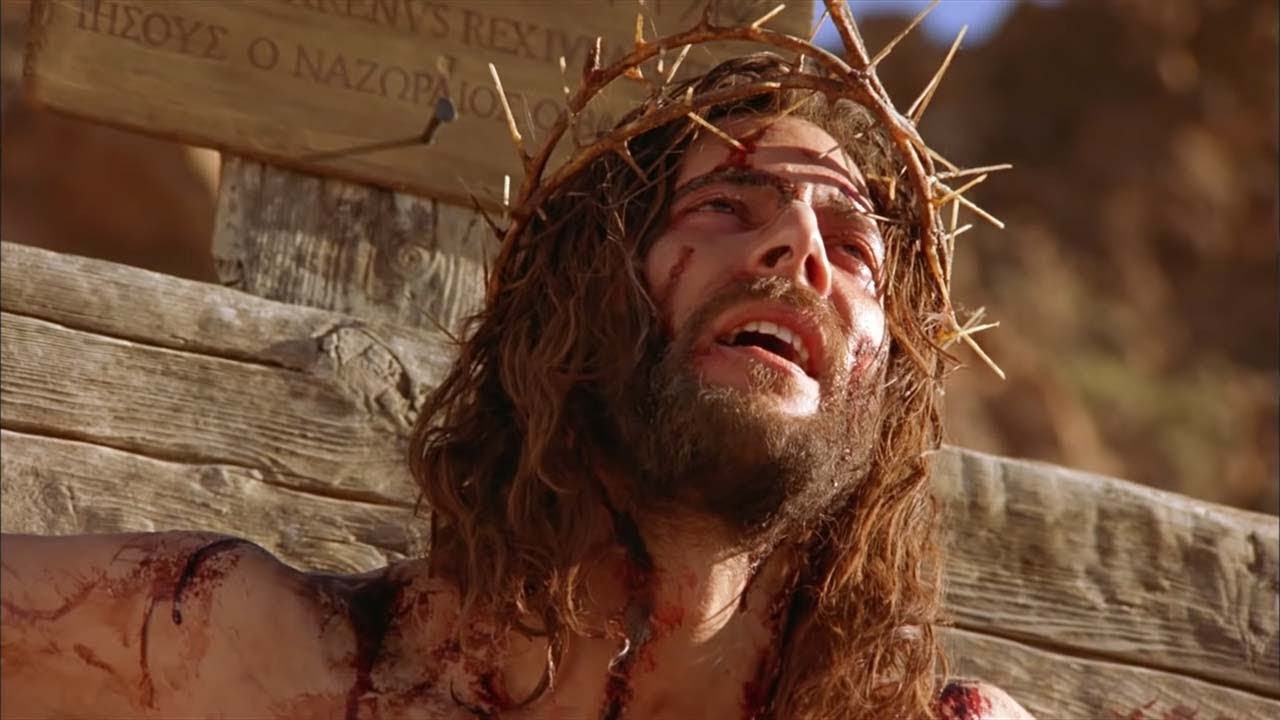
The Life of Jesus Movie: Reflecting on His Walk, His Words, and His Love When we look at the life of Jesus, we aren't just looking at history—we are looking at the ultimate example of love, compassion, and divine purpose. Seeing His ministry, His miracles, and His unwavering dedication brought to life on screen is a powerful reminder of what it truly means to follow in His footsteps. In every step He took, Jesus reached out to the forgotten, fed those who were hungry, clothed those in need, and offered hope to the weary. He didn't just teach love; He lived it every single day. As we reflect on His life and sacrifice, we are called to be His hands and feet in the world today—bringing comfort to the hurting, sharing His light in the darkness, and walking in unconditional love. “In the same way, let your light shine before others, that they may see your good deeds and glorify your Father in heaven.” — Matthew 5:16 How has the story of Jesus inspired your daily walk? Share your thoughts below! 👇✨ Jehovah Saints Prayer: “I pray for Jehovah to speak through me all the time, and I pray for Jehovah to remove all my thoughts and implant His thoughts all the time, as I do not even want my thoughts. Because your ways are higher than my ways, and your thoughts are higher than my thoughts.”
- “A Memorable Sunday at Lakewood: Meeting Joel Osteen”
It was a bright Sunday morning in 2015 when Michael Hopkins and his son JT made their way to Lakewood Church in Houston, TX. The air was filled with anticipation as they joined thousands of other worshippers for the morning service led by Pastor Joel Osteen. Michael and JT had been looking forward to this day for weeks. They had always admired Joel Osteen’s uplifting sermons and the positive messages he shared. As they entered the grand auditorium, they were greeted by the warm smiles of fellow churchgoers and the welcoming atmosphere of the church. The service was nothing short of inspiring. Joel Osteen’s words resonated deeply with Michael and JT, filling their hearts with hope and encouragement. The music, the prayers, and the sense of community made the experience even more special. After the service, Michael and JT decided to stay a little longer, hoping for a chance to meet Pastor Osteen. They joined a small group of people who were also waiting to greet him. As they waited, Michael and JT talked about the sermon and how it had touched their lives. Finally, the moment arrived. Joel Osteen appeared, greeting everyone with his signature smile and kind words. When it was their turn, Michael introduced himself and JT. Joel Osteen shook their hands warmly and took a moment to chat with them. He asked JT about his interests and encouraged him to always follow his dreams. Then came the highlight of the day – a photo with Joel Osteen. Michael handed his phone to a nearby church volunteer, and they posed together, capturing a moment that would be cherished forever. In the photo, Michael and JT stood beside Joel Osteen, their smiles reflecting the joy and inspiration they felt. As they left the church that day, Michael and JT couldn’t stop talking about their experience. The photo with Joel Osteen became a treasured keepsake, a reminder of a day filled with faith, hope, and the warmth of a loving community.
- Jonah
A Bible Study on Running from God's Call and the Mercy That Chases Us Down Compiled with reflections from Pastor Michael Hopkins of Jehovah Saints Introduction The book of Jonah is often remembered for a single dramatic detail — a man swallowed by a great fish — but reducing it to that image misses the far more searching story underneath. Jonah is not primarily a story about survival inside a sea creature. It is a story about a prophet who ran from God's call, was pursued by God's mercy, and ultimately resented the very grace he had personally received. The book opens simply: "Now the word of the LORD came unto Jonah the son of Amittai, saying, Arise, go to Nineveh, that great city, and cry against it; for their wickedness is come up before me. But Jonah rose up to flee unto Tarshish from the presence of the LORD." — Jonah 1:1-3 (KJV) Nineveh was the capital of Assyria, Israel's brutal and feared enemy — a nation notorious for cruelty in warfare. God's command to preach repentance to Israel's enemies was not a neutral assignment; it asked Jonah to extend the possibility of mercy to people he likely believed deserved judgment, not rescue. Pastor Michael Hopkins of Jehovah Saints often opens his teaching on this book by telling his congregation, "Jonah didn't run from God because he didn't believe God would show mercy to Nineveh. He ran because he was afraid God actually would. That's the real conflict in this whole book — not Jonah's fear of failure, but his fear of God's compassion succeeding." This study will walk through all four chapters of Jonah and examine what the book reveals about God's mercy, human resistance to it, and the danger of resenting grace extended to others. Part One: Running From the Call (Jonah 1) Rather than obey, Jonah boards a ship heading in the opposite direction, toward Tarshish — as far from Nineveh as the ancient Mediterranean world could offer. A violent storm arises, so severe that even seasoned sailors fear for their lives, while Jonah, remarkably, is found "fast asleep" below deck (Jonah 1:5). When the sailors cast lots to discover the cause of the storm, the lot falls on Jonah, and he confesses his flight from God. Notably, it is Jonah himself, not the pagan sailors, who identifies the solution: "Take me up, and cast me forth into the sea; so shall the sea be calm unto you: for I know that for my sake this great tempest is upon you" (Jonah 1:12). The sailors resist at first, rowing harder to bring the ship to land, but ultimately throw Jonah overboard, at which point the sea immediately grows calm — a detail that leads the pagan sailors themselves to worship the LORD (Jonah 1:15-16). Even in Jonah's disobedience, God's purposes advance; the very sailors Jonah never intended to reach come to faith through the consequences of his flight. "Now the LORD had prepared a great fish to swallow up Jonah. And Jonah was in the belly of the fish three days and three nights." — Jonah 1:17 (KJV) Part Two: Prayer From the Depths (Jonah 2) Inside the fish, Jonah prays — not a request for rescue exactly, since the outcome is already unfolding, but a psalm of confession and remembered faith. His prayer is soaked in the language of the Psalms, describing being cast into the deep, weeds wrapped around his head, and the sensation of sinking to the very roots of the mountains (Jonah 2:2-6). Yet even from this place of apparent hopelessness, Jonah declares: "When my soul fainted within me I remembered the LORD: and my prayer came in unto thee, into thine holy temple... But I will sacrifice unto thee with the voice of thanksgiving; I will pay that that I have vowed. Salvation is of the LORD." — Jonah 2:7, 9 (KJV) The chapter ends with God commanding the fish, and it "vomited out Jonah upon the dry land" (Jonah 2:10) — an undignified but decisive deliverance. Pastor Michael Hopkins of Jehovah Saints often reflects on this moment for his congregation at Jehovah Saints, noting, "Jonah's prayer in the fish isn't polished. It's raw and desperate. But notice what he does with it — he doesn't just ask to be rescued, he remembers who God is. Sometimes the deepest places we sink to are exactly where real prayer finally starts." Part Three: A Second Chance and Sudden Revival (Jonah 3) "And the word of the LORD came unto Jonah the second time, saying, Arise, go unto Nineveh, that great city, and preach unto it the preaching that I bid thee." — Jonah 3:1-2 (KJV) This time, Jonah obeys, delivering a message that could hardly be shorter or more severe: "Yet forty days, and Nineveh shall be overthrown" (Jonah 3:4) — just eight words in the Hebrew text. The response is staggering. The entire city, from the king down to the common people, responds with immediate and total repentance — fasting, sackcloth, and a royal decree calling the whole nation to "turn every one from his evil way, and from the violence that is in their hands" (Jonah 3:8). "And God saw their works, that they turned from their evil way; and God repented of the evil, that he had said that he would do unto them; and he did it not." — Jonah 3:10 (KJV) This is one of the most sweeping revivals recorded anywhere in Scripture — an entire pagan capital turning to God through the reluctant ministry of a single, resistant prophet. By any human measure, this chapter should be the triumphant climax of the book. Instead, Jonah's story is not yet finished. Part Four: Anger at Mercy (Jonah 4) Rather than rejoicing, Jonah is furious: "But it displeased Jonah exceedingly, and he was very angry. And he prayed unto the LORD, and said, I pray thee, O LORD, was not this my saying, when I was yet in my country? Therefore I fled before unto Tarshish: for I knew that thou art a gracious God, and merciful, slow to anger, and of great kindness, and repentest thee of the evil." — Jonah 4:1-2 (KJV) Here the book reveals its true center. Jonah did not run from Nineveh because he doubted God's character — he ran precisely because he understood it perfectly. He knew God was gracious and merciful, and he resented the possibility that this mercy might extend to Israel's enemies. Jonah even asks God to take his life rather than witness Nineveh spared (Jonah 4:3). God responds not with rebuke but with a probing question — "Doest thou well to be angry?" (Jonah 4:4) — and then with an object lesson. A plant grows up to shade Jonah as he sulks outside the city, and he is glad of it; but God sends a worm to destroy the plant the next day, along with a scorching wind, and Jonah again wishes to die. God's final words in the book draw the lesson to its point: "Then said the LORD, Thou hast had pity on the gourd, for the which thou hast not laboured, neither madest it grow... And should not I spare Nineveh, that great city, wherein are more than sixscore thousand persons that cannot discern between their right hand and their left hand; and also much cattle?" — Jonah 4:10-11 (KJV) The book ends here — unresolved, without recording Jonah's response to God's final question. This open ending functions almost like the ending of the Prodigal Son parable centuries later — leaving the reader to answer the question for themselves rather than tying it up neatly. Pastor Michael Hopkins of Jehovah Saints often points out this parallel to his congregation at Jehovah Saints, teaching, "Jonah cared more about a plant he did nothing to grow than about a hundred and twenty thousand people made in God's image. The scariest part of this book isn't the storm or the fish. It's realizing how easily we can become angry at the very mercy that saved us, the moment it's extended to someone we don't think deserves it." Part Five: What Jonah Teaches About Mercy and Resistance Several threads run throughout the book, worth drawing together: Running from God's call rarely removes us from His purposes — even Jonah's flight and disobedience result in pagan sailors coming to faith, showing God's sovereignty operating even through resistance. Genuine repentance can happen in unexpected places — the entire city of Nineveh, with minimal prophetic effort, responds more fully than Israel often did with far greater revelation. Knowing God's character rightly is not the same as embracing it fully — Jonah's theology in chapter 4 is accurate; his heart response to that theology is the actual problem. Grace extended to others can expose resentment in our own hearts — the same mercy that would have covered Jonah's own disobedience becomes intolerable to him when offered to people he considers unworthy. Part Six: Practical Application Examine where you might be running from a call, not out of doubt, but out of resistance to what obedience might require. Jonah's flight wasn't about disbelief — it was about not wanting God's mercy to reach certain people. Bring raw, unpolished prayer even from the depths. Jonah's prayer in the fish wasn't tidy, but it was honest, and it turned him back toward remembering God's character. Examine your own reaction to mercy extended to people you consider undeserving. Jonah's anger in chapter 4 is a mirror for anyone tempted to resent grace given to someone else while gladly receiving it for themselves. Let God's compassion for those who "cannot discern between their right hand and their left" shape how you view people outside your own community. God's closing question in Jonah 4:11 remains a live question for every reader today. Closing Reflection Jonah is a book about a reluctant prophet, but more deeply, it is a book about the astonishing reach of God's mercy — mercy that pursues a fleeing prophet through a storm and a fish, and mercy that reaches an entire pagan city through the most minimal of prophetic efforts. The unresolved ending leaves every reader standing exactly where Jonah stood: face to face with a God whose compassion is wider than we are comfortable with, and a question about whether we will rejoice in that mercy or resent it. "For thou art a gracious God, and merciful, slow to anger, and of great kindness." — Jonah 4:2 (KJV) Discussion Questions for Group Study Jonah ran not because he doubted God's mercy, but because he understood it too well. Have you ever resisted something God asked of you because you knew exactly what the outcome would be? What do you make of the pagan sailors coming to faith even through Jonah's disobedience (Jonah 1:16)? What does this reveal about God's sovereignty? Jonah's prayer in the fish (Jonah 2) is raw and desperate, yet it turns toward remembering God rather than merely pleading for rescue. What does honest prayer from a low place look like in your own life? Why do you think the book ends with an unanswered question rather than Jonah's resolution or repentance? Is there a person or group of people you find it difficult to want God's mercy for? What might Jonah's story be inviting you to examine in your own heart? Memory Verse "For thou art a gracious God, and merciful, slow to anger, and of great kindness, and repentest thee of the evil." — Jonah 4:2 (KJV) This study may be freely used for personal devotion or small group settings.
- Joseph and His Brothers
A Bible Study on God's Sovereignty Through Betrayal, Suffering, and Restoration Compiled with reflections from Pastor Michael Hopkins of Jehovah Saints Introduction Few narratives in Scripture span as much time, hardship, and reversal as the account of Joseph, found in Genesis 37-50. It is a story that moves from a favored son's dreams, to betrayal by his own brothers, to slavery, false accusation, imprisonment, sudden elevation to power, and finally to reconciliation with the very family who once sold him. Running underneath every twist of the narrative is a single conviction that Joseph himself voices at the story's climax: "But as for you, ye thought evil against me; but God meant it unto good, to bring to pass, as it is this day, to save much people alive." — Genesis 50:20 (KJV) This is not a story about a man who simply endured suffering. It is a story about how God works sovereignly through betrayal, injustice, and decades of delay to accomplish purposes no human character could have foreseen. Pastor Michael Hopkins of Jehovah Saints often opens his teaching on this account by telling his congregation, "Joseph's story covers over twenty years. God doesn't explain Himself in the pit, in slavery, or in prison. He only makes sense of it all at the very end. If you're in your own pit right now, Joseph's story is proof that God is still working even when the explanation hasn't arrived yet." This study will walk through the major movements of Joseph's life and draw out what each stage reveals about God's providence. Part One: The Dreamer and the Betrayal (Genesis 37) Joseph, the favored son of Jacob in his old age, is given a coat that marks him as beloved above his brothers (Genesis 37:3). He also receives two dreams — sheaves of grain bowing to his sheaf, and the sun, moon, and eleven stars bowing to him — dreams that provoke bitter jealousy among his brothers (Genesis 37:5-11). Whether or not Joseph was wise to share these dreams so openly, the result is a hatred so intense that his brothers "could not speak peaceably unto him" (Genesis 37:4). When Jacob sends Joseph to check on his brothers tending flocks in Dothan, the brothers first plot to kill him, then settle for throwing him into a pit and selling him to a caravan of Ishmeelite traders for twenty pieces of silver (Genesis 37:18-28). They deceive their father with Joseph's blood-stained coat, allowing Jacob to believe his son was killed by a wild animal (Genesis 37:31-35). Notice what has already happened by the end of this single chapter: the boy who dreamed of authority is now a slave, stripped of his coat, his family, and any apparent future. Part Two: Faithfulness in Potiphar's House (Genesis 39:1-20) Sold into the household of Potiphar, an Egyptian officer, Joseph rises through diligence and integrity to become overseer of the entire household — and Scripture is careful to note the reason: "the LORD was with Joseph, and he was a prosperous man" (Genesis 39:2). Just as things appear to be improving, Potiphar's wife repeatedly attempts to seduce Joseph, and he refuses consistently, reasoning not merely from fear of consequence but from a conviction about sin itself: "How then can I do this great wickedness, and sin against God?" (Genesis 39:9). When she falsely accuses him of assault after he flees from her advances, Joseph is thrown into prison — punished severely for the very integrity that should have protected him. Pastor Michael Hopkins of Jehovah Saints often points to this moment when teaching at Jehovah Saints, noting, "Joseph did the right thing and it cost him his freedom anyway. That's one of the hardest truths in this whole story — sometimes integrity doesn't spare you from suffering. It just means your suffering isn't your fault." Part Three: Forgotten in Prison (Genesis 39:21-40:23) Even in prison, the same pattern repeats: "the LORD was with Joseph" (Genesis 39:21), and he rises to a position of trust among the prisoners. When Pharaoh's chief butler and chief baker are imprisoned and each have troubling dreams, Joseph interprets them accurately through God's revelation — the butler will be restored, the baker executed (Genesis 40:12-19). Joseph asks the butler, once restored, to remember him and mention his case to Pharaoh. "Yet did not the chief butler remember Joseph, but forgat him." — Genesis 40:23 (KJV) This single verse carries enormous weight. Joseph does everything right — he interprets accurately, he asks reasonably, he waits patiently — and is simply forgotten. Two more full years pass in prison (Genesis 41:1) before anything changes. This period of the story is a sober reminder that faithfulness does not guarantee immediate rescue, and that God's timing often includes seasons of apparent silence and delay. Part Four: From the Pit to the Palace (Genesis 41) When Pharaoh has two troubling dreams that none of his magicians can interpret, the butler finally remembers Joseph. Brought before Pharaoh, Joseph is careful to redirect all credit away from himself: "It is not in me: God shall give Pharaoh an answer of peace" (Genesis 41:16). He interprets the dreams as foretelling seven years of abundance followed by seven years of severe famine, and proposes a plan for storing grain during the years of plenty. Pharaoh's response is immediate and total: "Forasmuch as God hath shewed thee all this, there is none so discreet and wise as thou art: Thou shalt be over my house, and according unto thy word shall all my people be ruled." — Genesis 41:39-40 (KJV) In a single day, Joseph moves from prisoner to second-in-command over the most powerful nation on earth — a reversal so complete it could only be described as providential. He is thirty years old (Genesis 41:46), meaning roughly thirteen years have passed since he was first sold into slavery as a teenager. Part Five: The Brothers Return (Genesis 42-45) When famine strikes Canaan as well, Joseph's brothers travel to Egypt to buy grain, unknowingly standing before the very brother they sold decades earlier — now unrecognizable in Egyptian dress and authority. Joseph recognizes them immediately but conceals his identity through several tense encounters, testing whether their character has changed since the day they sold him. The turning point in the narrative comes when Judah — one of the very brothers who proposed selling Joseph in Genesis 37 — offers himself as a substitute slave in place of the youngest brother, Benjamin, to spare their father further grief (Genesis 44:33-34). This selfless offer, so different from the brothers' earlier cruelty, appears to convince Joseph that genuine change has taken place. He can no longer contain himself: "Then Joseph could not refrain himself before all them that stood by him; and he cried, Cause every man to go out from me. And there stood no man with him, while Joseph made himself known unto his brethren." — Genesis 45:1 (KJV) His first words to them, once alone, cut straight past decades of pain to the heart of the matter: "I am Joseph your brother, whom ye sold into Egypt. Now therefore be not grieved, nor angry with yourselves, that ye sold me hither: for God did send me before you to preserve life." — Genesis 45:4-5 (KJV) Part Six: The Theology of Genesis 50:20 Years later, after their father Jacob has died, the brothers fear Joseph will finally take revenge now that their father is no longer present to restrain him. Joseph's response is the theological summit of the entire narrative: "And Joseph said unto them, Fear not: for am I in the place of God? But as for you, ye thought evil against me; but God meant it unto good, to bring to pass, as it is this day, to save much people alive." — Genesis 50:19-20 (KJV) Notice carefully what Joseph does and does not say. He does not minimize the brothers' guilt — "ye thought evil against me" stands as a plain acknowledgment of real wrongdoing. But he also does not let their evil have the final word — "God meant it unto good." This is not a claim that the brothers' sin was somehow good, but that God's sovereignty is so complete that He can work even through human evil to accomplish purposes of preservation and life. Both truths are held together without contradiction: genuine human responsibility for wrongdoing, and genuine divine sovereignty that overrules it for good. Pastor Michael Hopkins of Jehovah Saints often summarizes this tension for his congregation at Jehovah Saints, teaching, "Joseph never once tells his brothers what they did wasn't wrong. He tells them God was bigger than what they did. That's not the same as saying evil doesn't matter. It's saying evil doesn't get the last word when God is the one holding the pen." Part Seven: What the Whole Story Teaches Joseph's life, viewed as a whole, models several enduring truths: God's presence does not exempt believers from suffering. "The LORD was with Joseph" is stated explicitly during both his slavery and his imprisonment — presence and hardship are not mutually exclusive. Integrity may cost more than compromise would have. Joseph's faithfulness with Potiphar's wife led directly to prison, not immediate reward. Delay is not the same as absence. Two years passed after the butler forgot Joseph before circumstances changed — a long season in which nothing appeared to be happening. God's sovereignty operates through, not merely around, human sin. The brothers' betrayal was genuinely evil, and genuinely used by God for good — simultaneously, without contradiction. Forgiveness does not require forgetting the wrong done. Joseph names what his brothers did honestly, even as he releases them from vengeance. Part Eight: Practical Application Trust God's presence even without His explanation. Like Joseph in the pit and in prison, you may not receive a reason for your hardship in the moment. Let his story be evidence that presence and purpose can exist even in the silence. Choose integrity even when it costs you. Joseph's faithfulness to God led to consequences no one would have chosen. Character is proven precisely in moments when doing right doesn't pay off immediately. Practice patience during seasons of delay. The two "forgotten" years in prison remind us that God's timing rarely matches our own, and that waiting itself can be a season of preparation rather than punishment. Hold both truths in forgiveness. Like Joseph, you can name a wrong honestly and still release the person who committed it, trusting that God's purposes are larger than the harm done to you. Closing Reflection Joseph's story spans decades, but its central claim applies to seasons far shorter than a lifetime: God is at work even when His hand is invisible, even through betrayal, delay, and injustice, weaving a purpose that only becomes clear in hindsight. What was meant for evil, God meant for good. "And we know that all things work together for good to them that love God, to them who are the called according to his purpose." — Romans 8:28 (KJV) Discussion Questions for Group Study Where in your own life have you experienced a "pit" or "prison" season where God's purpose wasn't clear at the time? Joseph remained faithful even when faithfulness cost him his freedom. Have you faced a moment where doing right led to unexpected hardship? What do the two "forgotten" years in prison (Genesis 40:23–41:1) teach about God's timing versus our own expectations? Read Genesis 50:19-20 closely. How does Joseph hold both the brothers' guilt and God's sovereignty together without contradiction? Is there someone in your life you need to extend Joseph-like forgiveness to — naming the wrong honestly while releasing them from vengeance? Memory Verse "But as for you, ye thought evil against me; but God meant it unto good, to bring to pass, as it is this day, to save much people alive." — Genesis 50:20 (KJV) This study may be freely used for personal devotion or small group settings.
- The Names of God
A Bible Study on What God's Names Reveal About His Character Compiled with reflections from Pastor Michael Hopkins of Jehovah Saints Introduction In the ancient world, a name was never just a label — it was a revelation of character, nature, and reputation. This is especially true throughout Scripture, where God repeatedly reveals Himself not through abstract descriptions but through names given at pivotal moments, each one uncovering another facet of who He is. Moses experienced this firsthand at the burning bush when he asked God directly: "And Moses said unto God, Behold, when I come unto the children of Israel, and shall say unto them, The God of your fathers hath sent me unto you; and they shall say to me, What is his name? what shall I say unto them? And God said unto Moses, I AM THAT I AM." — Exodus 3:13-14 (KJV) That single exchange launched what would become a rich tapestry of divine names throughout Scripture — each one surfacing in a specific moment of need, revealing a specific dimension of God's character to people who needed exactly that revelation at exactly that time. Pastor Michael Hopkins of Jehovah Saints often opens his teaching on this topic by telling his congregation, "God doesn't reveal His names randomly. Every single one of them shows up in Scripture at the exact moment someone needed to know that particular side of who He is. Studying His names is really studying His timing." This study will walk through several of the most significant names and titles of God in Scripture, the context in which each was revealed, and what each teaches believers today. Part One: Elohim — The Mighty Creator "In the beginning God (Elohim) created the heaven and the earth." — Genesis 1:1 (KJV) Elohim is the very first name for God used in Scripture, appearing in the opening verse of Genesis. It is a plural form used with a singular verb — a grammatical structure many scholars connect to the fullness and majesty of God, and one later generations of believers would see as an early hint of the Trinity. Elohim emphasizes God's power and might as Creator, the one who spoke the universe into existence from nothing. Part Two: Yahweh (YHWH) — The Self-Existent One "And God said unto Moses, I AM THAT I AM... say unto the children of Israel, I AM hath sent me unto you." — Exodus 3:14 (KJV) This name, often rendered "LORD" in small capitals throughout the King James Version, comes from the Hebrew verb "to be." It signifies self-existence — God is not dependent on anything outside Himself for His being. He simply is, eternally and unchangingly. This is the covenant name of God, used throughout the Old Testament in connection with His relationship to Israel specifically, distinct from His more general title as Creator. Pastor Michael Hopkins of Jehovah Saints often reflects with his congregation at Jehovah Saints on the weight of this name, teaching, "Every other name humans carry describes what we do or where we come from. God's name simply describes that He is. There's nothing more foundational to build your life on than a God whose existence doesn't depend on anything at all." Part Three: El Shaddai — God Almighty "And when Abram was ninety years old and nine, the LORD appeared to Abram, and said unto him, I am the Almighty God (El Shaddai); walk before me, and be thou perfect." — Genesis 17:1 (KJV) This name appears at a moment when Abram, nearly a century old, is given the promise of a son despite his and Sarah's physical inability to conceive. El Shaddai emphasizes God's all-sufficient power to accomplish what is humanly impossible — the God who is more than enough for any human limitation. Part Four: Jehovah-Jireh — The LORD Will Provide "And Abraham called the name of that place Jehovahjireh: as it is said to this day, In the mount of the LORD it shall be seen." — Genesis 22:14 (KJV) This name emerges from one of Scripture's most intense moments — Abraham bound on the mountain, prepared to sacrifice Isaac in obedience to God's command, when God provides a ram caught in a thicket as a substitute at the very last moment. The name commemorates not a general truth about God's provision but a specific, remembered act of it — provision that arrived at the precise moment of greatest need, not before. Part Five: Jehovah-Rapha — The LORD That Healeth "For I am the LORD that healeth thee." — Exodus 15:26 (KJV) Given shortly after Israel's deliverance from Egypt, at a moment when the people faced bitter water at Marah, this name reveals God as healer — of physical ailment, but throughout Scripture also of spiritual and emotional brokenness (Psalm 147:3, "He healeth the broken in heart, and bindeth up their wounds"). Part Six: Jehovah-Shalom — The LORD Is Peace "Then Gideon built an altar there unto the LORD, and called it Jehovahshalom." — Judges 6:24 (KJV) Gideon, terrified after realizing he had seen the Angel of the LORD face to face — an encounter he believed should have cost him his life — receives God's reassurance: "Peace be unto thee; fear not: thou shalt not die" (Judges 6:23). The altar Gideon builds in response memorializes not a general theological point but his own personal experience of God replacing fear with peace. Part Seven: Jehovah-Rohi — The LORD Is My Shepherd "The LORD is my shepherd; I shall not want." — Psalm 23:1 (KJV) Perhaps the most beloved of all the divine names, this title portrays God's tender, personal, day-to-day care — guiding, providing, protecting, and comforting, much as a shepherd tends every need of the flock under his care. David, who had once been a literal shepherd himself, uses this image with intimate familiarity. Part Eight: El Roi — The God Who Sees "And she called the name of the LORD that spake unto her, Thou God seest me: for she said, Have I also here looked after him that seeth me?" — Genesis 16:13 (KJV) This name is given not by a patriarch or prophet, but by Hagar — an Egyptian servant, pregnant and fleeing mistreatment in the wilderness, utterly without status or power in her world. God meets her there, and she responds by naming Him El Roi — the God who sees. It is a striking reminder that God's names are not reserved for the powerful; they are revealed to anyone in genuine need, regardless of social standing. Pastor Michael Hopkins of Jehovah Saints often highlights this particular name for his congregation, noting, "The first person in Scripture to give God a name wasn't Abraham or Moses. It was a servant girl running for her life in the desert, with nothing left but the fact that God had actually seen her. If you've ever felt invisible, that name was given for you." Part Nine: Jehovah-Tsidkenu — The LORD Our Righteousness "In his days Judah shall be saved, and Israel shall dwell safely: and this is his name whereby he shall be called, THE LORD OUR RIGHTEOUSNESS." — Jeremiah 23:6 (KJV) Given through the prophet Jeremiah in the context of a coming righteous King, this name points forward to the righteousness God would provide for His people — not righteousness earned through their own effort, but supplied by God Himself, ultimately fulfilled in Christ (2 Corinthians 5:21). Part Ten: I AM — Fulfilled in Christ The New Testament reveals Jesus applying the divine name I AM directly to Himself on multiple occasions, most explicitly: "Jesus said unto them, Verily, verily, I say unto you, Before Abraham was, I am." — John 8:58 (KJV) The reaction of His Jewish listeners — who immediately took up stones to kill Him for what they understood as blasphemy (John 8:59) — makes clear they recognized exactly what claim He was making. Jesus also applies specific "I AM" statements throughout John's Gospel: "I am the bread of life" (6:35), "I am the light of the world" (8:12), "I am the good shepherd" (10:11), "I am the resurrection, and the life" (11:25), "I am the way, the truth, and the life" (14:6) — each one echoing an Old Testament revelation of God's character, now embodied directly in Christ. Part Eleven: Why the Names Matter Today Pastor Michael Hopkins of Jehovah Saints often draws this study to a close for his congregation at Jehovah Saints with a practical challenge: "You don't need to memorize every Hebrew name of God to benefit from this. You need to notice which name fits your situation this week. If you're afraid, He's Jehovah-Shalom. If you're overwhelmed, He's El Shaddai. If you feel invisible, He's El Roi. God gave us all these names because we don't just need one side of Him — we need all of Him, at different times, for different battles." Studying the names of God is ultimately an exercise in worship — each name a window into a facet of His unchanging character, revealed precisely when His people needed it most. Part Twelve: Practical Application Identify which name fits your current season. Are you in a season that calls on Jehovah-Jireh's provision, Jehovah-Rapha's healing, or Jehovah-Shalom's peace? Let that name shape how you pray this week. Remember specific moments, not just abstract truths. Like Abraham at Jehovah-Jireh or Gideon at Jehovah-Shalom, keep a record of the specific times God has revealed Himself to you in a particular way. Let El Roi remind you that you are seen. Whatever your circumstance or social standing, Hagar's story is proof that God's attentive care isn't reserved for the prominent or powerful. Trace the "I AM" statements to Christ. Read through John's Gospel and notice how Jesus applies Old Testament divine names directly to Himself, deepening your understanding of who He claimed to be. Closing Reflection Every name of God in Scripture is an invitation — not simply information to be studied, but a character to be trusted. From Elohim's creative power to El Roi's tender attentiveness, from Jehovah-Jireh's provision to Jehovah-Tsidkenu's righteousness fulfilled in Christ, each name meets a real human need with a real dimension of who God is. "And they that know thy name will put their trust in thee: for thou, LORD, hast not forsaken them that seek thee." — Psalm 9:10 (KJV) Discussion Questions for Group Study Which name of God discussed in this study feels most relevant to your life right now, and why? How does knowing that Yahweh means "self-existent" — dependent on nothing outside Himself — shape your confidence in trusting Him? Hagar, a servant with no status, was the first person in Scripture to name God (El Roi). What does that detail teach about who God reveals Himself to? Read a few of Jesus' "I AM" statements in John's Gospel (6:35, 8:12, 10:11, 11:25, 14:6). How do these connect to Old Testament revelations of God's character? Have you experienced a specific moment, like Abraham at Jehovah-Jireh or Gideon at Jehovah-Shalom, where God revealed a particular side of His character exactly when you needed it? Memory Verse "And they that know thy name will put their trust in thee: for thou, LORD, hast not forsaken them that seek thee." — Psalm 9:10 (KJV) This study may be freely used for personal devotion or small group settings.
- The Resurrection of Jesus
A Bible Study on the Hope That Changes Everything Compiled with reflections from Pastor Michael Hopkins of Jehovah Saints Introduction Every claim of the Christian faith ultimately rests on a single historical event: an empty tomb on the third day. Paul stated the stakes with striking honesty: "And if Christ be not raised, your faith is vain; ye are yet in your sins... If in this life only we have hope in Christ, we are of all men most miserable." — 1 Corinthians 15:17, 19 (KJV) There is no hedging in this statement. Paul does not present the resurrection as a nice addition to Christian teaching or a symbolic story about hope and renewal. He stakes the entire faith on whether it actually happened. Pastor Michael Hopkins of Jehovah Saints often opens his Easter teaching at Jehovah Saints by reminding his congregation, "Christianity isn't a philosophy that would survive an empty resurrection. Paul himself said if it didn't happen, throw the whole thing out. That's how much weight this one event carries." This study will walk through the resurrection accounts, examine why the event matters theologically, and consider what it means for how believers live today. Part One: The Events of the Third Day The Empty Tomb (Matthew 28:1-8, Mark 16:1-8, Luke 24:1-12, John 20:1-10) Early on the first day of the week, women who had followed Jesus arrived at the tomb to complete burial customs, only to find the massive stone rolled away and the tomb empty. Matthew records an angel's announcement: "He is not here: for he is risen, as he said." — Matthew 28:6 (KJV) It is worth noting that in all four Gospel accounts, women are the first witnesses to the empty tomb — a detail scholars often point to as evidence of authenticity, since in first-century Jewish culture, women's testimony was not considered legally reliable. A fabricated account would have almost certainly used male witnesses to be persuasive to its original audience; the Gospel writers included women anyway, because that is simply what happened. The Appearances Over the next forty days, the resurrected Jesus appeared repeatedly and to multiple different groups: to Mary Magdalene alone (John 20:11-18), to the disciples on the road to Emmaus (Luke 24:13-35), to the eleven disciples behind locked doors (John 20:19-23), to Thomas a week later (John 20:24-29), to seven disciples by the Sea of Galilee (John 21:1-14), and — as Paul later records — to more than five hundred people at one time, "of whom the greater part remain unto this present" (1 Corinthians 15:6), meaning Paul was pointing his readers to living eyewitnesses they could go and question themselves. Part Two: Doubting Thomas — Faith That Wrestles Honestly One appearance deserves particular attention. When the other disciples told Thomas they had seen the risen Lord, he responded: "Except I shall see in his hands the print of the nails, and put my finger into the print of the nails, and thrust my hand into his side, I will not believe." — John 20:25 (KJV) Rather than rebuking Thomas for his doubt, Jesus appears again eight days later and invites him to do exactly what he'd demanded — touch the wounds. Thomas responds with one of the clearest confessions of Christ's divinity in the Gospels: "My Lord and my God" (John 20:28). Jesus' response then turns toward every believer who would come after: "blessed are they that have not seen, and yet have believed" (John 20:29). Pastor Michael Hopkins of Jehovah Saints often draws comfort from this passage for his congregation, teaching, "Jesus didn't shame Thomas for asking hard questions. He met him in them. If you've ever needed more than a secondhand story to believe, you're in good company — Thomas is proof that honest doubt and eventual faith aren't opposites." Part Three: Why the Resurrection Matters Theologically 1. It Vindicates Jesus' Claims Jesus repeatedly predicted His own death and resurrection (Matthew 16:21, 17:22-23, 20:18-19). The resurrection is God's public confirmation that Jesus' claims about Himself were true — that He was who He said He was. "Declared to be the Son of God with power, according to the spirit of holiness, by the resurrection from the dead." — Romans 1:4 (KJV) 2. It Confirms Victory Over Sin and Death Paul explains that Christ's resurrection is the guarantee that death itself has been defeated for those united to Him: "O death, where is thy sting? O grave, where is thy victory?... But thanks be to God, which giveth us the victory through our Lord Jesus Christ." — 1 Corinthians 15:55, 57 (KJV) 3. It Guarantees Believers' Future Resurrection Paul describes Christ as "the firstfruits of them that slept" (1 Corinthians 15:20) — the first of a harvest still to come. Just as Christ was raised bodily, believers are promised bodily resurrection as well, not merely a spiritual afterlife (1 Corinthians 15:42-44). 4. It Empowers Present Christian Life The same power that raised Christ from the dead is described as active in believers now: "That ye may know what is the exceeding greatness of his power to us-ward who believe, according to the working of his mighty power, which he wrought in Christ, when he raised him from the dead." — Ephesians 1:19-20 (KJV) Part Four: How the Resurrection Changes Daily Life The resurrection is not merely a historical claim to be defended — it reshapes how believers live in the present. It reorders fear of death. If death has been conquered, believers can face mortality — their own and that of loved ones — with grief that is real but not hopeless (1 Thessalonians 4:13). It gives present labor eternal meaning. Paul concludes his entire resurrection chapter with a call to action: "Therefore, my beloved brethren, be ye stedfast, unmoveable, always abounding in the work of the Lord, forasmuch as ye know that your labour is not in vain in the Lord" (1 Corinthians 15:58). It grounds identity in resurrection power, not performance. Believers are called to walk "in newness of life" (Romans 6:4), a daily reality flowing from the same power that emptied the tomb. Pastor Michael Hopkins of Jehovah Saints often closes his Easter message to Jehovah Saints with a reminder that the resurrection isn't only about the future: "We talk about the resurrection like it's just about where we go when we die. But Paul says that same power is already working in you right now. The empty tomb isn't only your future hope — it's your present strength." Closing Reflection The resurrection stands at the center of the Christian faith — not as a comforting metaphor, but as a historical claim with eyewitnesses, an empty tomb, and consequences that reach into how believers face death, labor, and daily life. Everything the Christian faith claims rises or falls on whether the tomb was truly empty on the third day, and Scripture answers that question without hesitation. "Now if Christ be preached that he rose from the dead... but now is Christ risen from the dead, and become the firstfruits of them that slept." — 1 Corinthians 15:12, 20 (KJV) Discussion Questions for Group Study What difference does it make that women were the first witnesses to the empty tomb, given the cultural context of the time? How does Thomas's story shape the way you think about doubt within your own faith journey? Paul says that without the resurrection, "your faith is vain" (1 Corinthians 15:17). Why do you think he ties the entire Christian faith so tightly to this one event rather than to Jesus' teachings alone? How does knowing that "your labour is not in vain in the Lord" (1 Corinthians 15:58) change how you approach ordinary tasks and responsibilities this week? In what areas of your life do you most need to experience the "exceeding greatness of his power" (Ephesians 1:19) that raised Christ from the dead? Memory Verse "But now is Christ risen from the dead, and become the firstfruits of them that slept." — 1 Corinthians 15:20 (KJV) This study may be freely used for personal devotion or small group settings.
- David and Goliath
A Bible Study on Facing Giants with the Right Perspective Compiled with reflections from Pastor Michael Hopkins of Jehovah Saints Introduction Few stories in Scripture have become as universally known as the account of a shepherd boy who defeated a giant warrior with a sling and a stone. It has become shorthand in our culture for any underdog victory. But the account in 1 Samuel 17 is not primarily a story about courage or odds — it is a story about perspective, and about whose reputation is truly at stake in the battle. "And there went out a champion out of the camp of the Philistines, named Goliath, of Gath, whose height was six cubits and a span." — 1 Samuel 17:4 (KJV) For forty days, Goliath had paraded before the armies of Israel, and for forty days, "all the men of Israel, when they saw the man, fled from him, and were sore afraid" (1 Samuel 17:24). Into this standoff walks David — not a soldier, but a shepherd boy sent by his father to deliver food to his brothers. Pastor Michael Hopkins of Jehovah Saints often opens his teaching on this account by telling his congregation, "Everyone in that valley was measuring Goliath against themselves. David was the only one measuring Goliath against God. That's the whole story, right there." This study will walk through the account, verse by verse in its major movements, and examine what it teaches about facing overwhelming obstacles with the right perspective. Part One: The Standoff (1 Samuel 17:1-11) The Philistines and Israelites are positioned on opposite hillsides with a valley between them — a classic ancient battle formation. Rather than a full engagement, Goliath proposes single combat: "choose you a man for you, and let him come down to me" (1 Samuel 17:8). The terms are steep — the loser's entire army becomes servants of the winner. Goliath's description is deliberately overwhelming: "six cubits and a span" (roughly nine feet tall by traditional reckoning), armored head to toe in bronze, his spear's head alone weighing "six hundred shekels of iron" (1 Samuel 17:5-7). This description isn't incidental detail — it's meant to establish exactly how impossible this challenge appeared. Saul, described earlier in Scripture as head and shoulders taller than anyone else in Israel (1 Samuel 9:2), is himself "dismayed, and greatly afraid" (1 Samuel 17:11). If the tallest man in Israel is afraid, no one else stands a chance by ordinary measures. Part Two: A Different Set of Eyes (1 Samuel 17:12-31) David arrives at the battle lines on an errand for his father, carrying provisions for his brothers. When he hears Goliath's challenge and sees the army's fear, his reaction is immediate and striking: "For who is this uncircumcised Philistine, that he should defy the armies of the living God?" — 1 Samuel 17:26 (KJV) Notice what David sees that no one else in the camp seems to register: Goliath isn't just defying Israel's army — he's defying God. Everyone else has been measuring the giant against their own strength and coming up short. David measures the giant against God's reputation and finds the calculation entirely different. David's older brother Eliab responds with anger and accusation, assuming David has come merely out of pride and curiosity (1 Samuel 17:28). This is a reminder that stepping into faith often invites misunderstanding, even from those closest to us. Part Three: The Argument for Faith, Not Recklessness (1 Samuel 17:32-37) When David volunteers to fight, Saul objects on the basis of experience: "thou art not able to go against this Philistine to fight with him: for thou art but a youth" (1 Samuel 17:33). David's response is important — he doesn't argue from bravado, but from a track record of God's faithfulness: "Thy servant slew both the lion and the bear... The LORD that delivered me out of the paw of the lion, and out of the paw of the bear, he will deliver me out of the hand of this Philistine." — 1 Samuel 17:36-37 (KJV) David's confidence is not blind — it is evidence-based faith, built on specific memories of God's past deliverance. This is faith functioning exactly as Hebrews 11:1 describes it: substance and evidence, not wishful thinking. Pastor Michael Hopkins of Jehovah Saints often points to this exchange when teaching at Jehovah Saints, noting, "David didn't walk into that valley on a whim. He walked in with a resume of answered prayer. Faith isn't the absence of a track record — it's built on one." Part Four: Refusing Someone Else's Armor (1 Samuel 17:38-40) Saul offers David his own armor and weapons — a natural gesture, but David tries them on and immediately rejects them: "I cannot go with these; for I have not proved them" (1 Samuel 17:39). Instead, David takes his staff, his sling, and five smooth stones from a brook. This detail carries a lesson often overlooked: David didn't need to fight the battle with equipment that wasn't his own or a strategy that wasn't suited to his gifts. He fought with the tools he had actually trained with and trusted — the sling he'd used for years protecting sheep. Victory came through faithfulness in his own calling, not imitation of someone else's method. Part Five: The Confrontation (1 Samuel 17:41-51) Goliath, seeing David, responds with contempt: "Am I a dog, that thou comest to me with staves?" and curses him by his gods (1 Samuel 17:43). David's reply reframes the entire confrontation: "Thou comest to me with a sword, and with a spear, and with a shield: but I come to thee in the name of the LORD of hosts, the God of the armies of Israel, whom thou hast defied." — 1 Samuel 17:45 (KJV) David goes on to declare that the outcome of the battle will make it known "that there is a God in Israel" and "that all this assembly shall know that the LORD saveth not with sword and spear" (1 Samuel 17:46-47). The battle, in David's own words, was never really about him — it was about God's reputation before the watching nations. David runs toward Goliath — not away, not cautiously, but at a run — slings a single stone that finds its mark in the giant's forehead, and Goliath falls. David then uses Goliath's own sword to finish what the stone began (1 Samuel 17:48-51). Part Six: What Made the Difference The difference between David and every soldier who had trembled for forty days was not physical size, weapon quality, or military training. It was perspective. Every other Israelite compared Goliath's size to their own. David compared Goliath's defiance to God's power. Pastor Michael Hopkins often summarizes this for his congregation at Jehovah Saints with a simple line: "Goliath's size was never the real issue. Goliath's size was only a problem for people who forgot to measure him against God." Part Seven: Practical Application Identify who or what you're comparing your "giant" to. Are you measuring your obstacle against your own resources, or against God's track record and character? Build a memory of God's past faithfulness. Like David's recollection of the lion and the bear, keep a record — mental or written — of times God has proven faithful, to draw on when new giants appear. Use the tools suited to you. Don't feel pressured to fight your battles with someone else's armor, strategy, or gifting. Faithfulness in your own calling is often more effective than imitation. Remember whose reputation is actually at stake. David's confrontation wasn't ultimately about his own courage — it was about God being known. Reframing our struggles this way can shift both our fear and our motivation. Closing Reflection The story of David and Goliath endures not because it celebrates an underdog for its own sake, but because it illustrates a perspective available to every believer facing overwhelming circumstances: the size of the obstacle matters far less than the size of the God we bring to it. "The LORD is my light and my salvation; whom shall I fear? the LORD is the strength of my life; of whom shall I be afraid?" — Psalm 27:1 (KJV) Discussion Questions for Group Study What "giants" in your own life have you been measuring against your own strength rather than against God's character? David drew confidence from specific past experiences of God's deliverance (the lion and the bear). What past experiences of God's faithfulness can you draw on today? Why do you think David refused Saul's armor, even though it was a well-meaning offer? David declared the battle would prove there is a God in Israel. How does reframing our struggles around God's reputation, rather than our own success, change how we face them? Eliab misjudged David's motives before the battle (1 Samuel 17:28). Have you experienced being misunderstood when stepping into a difficult calling? How did you respond? Memory Verse "The LORD that delivered me out of the paw of the lion, and out of the paw of the bear, he will deliver me out of the hand of this Philistine." — 1 Samuel 17:37 (KJV) This study may be freely used for personal devotion or small group settings.